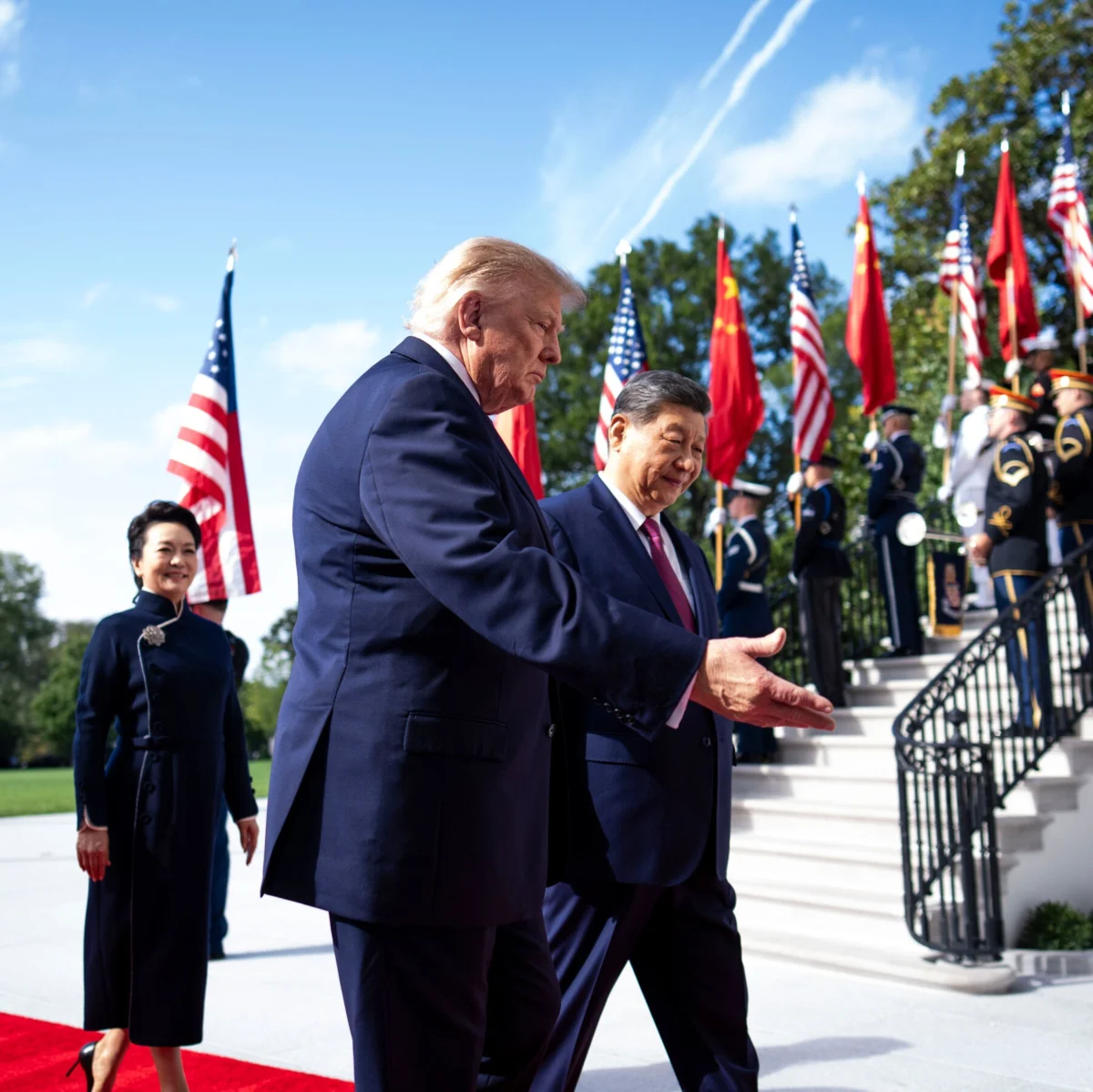
China’s recent truce with Trump grants Beijing valuable time to focus on resolving internal economic difficulties while reducing exposure to American pressure. The de-escalation in U.S.–China relations offers Beijing an opportunity to recalibrate its economic strategy without immediate external threats. This pause allows Chinese policymakers to prioritize domestic reforms over defensive responses to trade friction. Economy markets and broader geopolitical stability, including war geopolitics, are directly affected by this shift in momentum.
The truce removes immediate obstacles, allowing Beijing to redirect attention toward addressing slowing growth, industrial restructuring, and local debt concerns. Analysts note that such diplomatic lulls often enable both sides to regroup, though underlying tensions remain unresolved.
Key Facts:
- China and the U.S. agreed to ease tensions following Trump-era disputes.
- Beijing now has space to manage domestic economic issues.
- Easing friction reduces China’s vulnerability to American pressure.
- The truce provides temporary relief but does not resolve core disagreements.
- Improved stability supports internal policy adjustments.
The Story
What happens next?
The China Trump truce signals a pause rather than a permanent settlement. While both nations benefit from reduced conflict, long-term structural issues persist. Beijing is likely to leverage this window to stabilize its economy amid global uncertainty. Meanwhile, Washington may reassess its approach based on domestic political timelines.
This interim phase resembles previous negotiation cycles where temporary agreements allowed deeper planning. However, unresolved trade imbalances and tech competition suggest future friction points remain.
Observers expect incremental steps instead of sweeping changes. For now, the focus remains inward for China as authorities tackle inflation, employment, and regional development imbalances.
Who is affected?
Numerous stakeholders feel the impact of the China Trump truce. Within China, businesses and consumers gain predictability previously missing during volatile tariff exchanges. Export-oriented industries, especially manufacturing hubs, welcome reduced risk of sudden penalties or restrictions.
Internationally, trading partners monitor shifts closely. Countries dependent on Sino-American commerce adjust supply chains accordingly. Investors watch currency fluctuations tied to policy signals coming from either capital.
Meanwhile, multinational corporations operating across sectors evaluate whether renewed dialogue translates into stable market conditions worth pursuing further investment or expansion efforts.
What We Know — and What We Don’t
Verified by the source:
- A formal easing of U.S.–China tensions occurred recently.
- Beijing can prioritize internal economic matters during this period.
- American leverage over China has diminished temporarily.
- The agreement does not constitute a final resolution.
- Diplomatic calm creates room for strategic maneuvering.
Still unconfirmed:
- Exact duration of the truce remains unclear.
- No specific terms or concessions have been disclosed publicly.
- Future negotiations’ timeline and agenda are unknown.
- Financial commitments or enforcement mechanisms unspecified.
Why It Matters
This China Trump truce affects global economic forecasting and investor sentiment. With less immediate pressure, Beijing gains flexibility to implement reforms critical for sustainable growth. At the same time, reduced hostility contributes to lower volatility in financial markets worldwide, indirectly benefiting consumers and enterprises alike.
What To Watch
Upcoming diplomatic briefings and policy announcements will clarify whether this respite evolves into lasting cooperation or merely delays renewed confrontation. Officials from both sides have yet to outline detailed frameworks governing future interactions beyond general statements of goodwill.