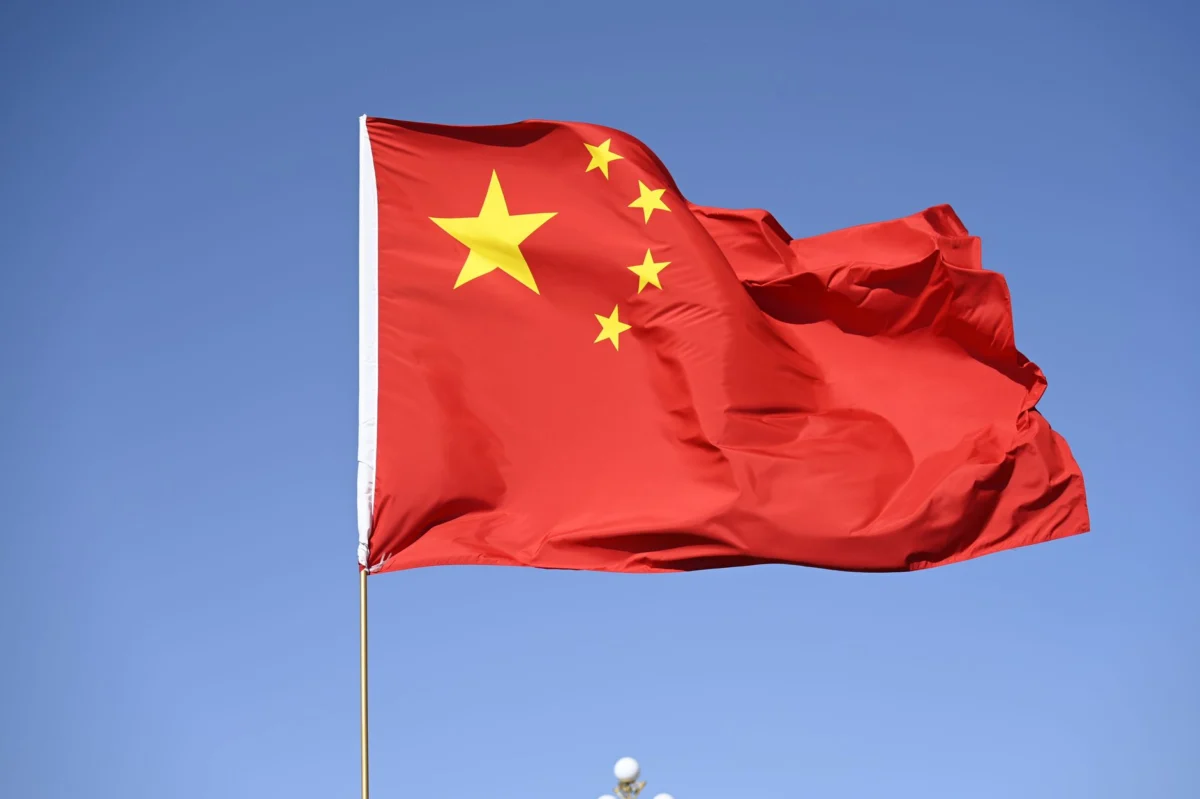
China’s space diplomacy is advancing Pakistan’s first astronaut mission, with reports indicating Chinese support for training and technical cooperation. The initiative reflects broader efforts by Beijing to deepen space-related partnerships across Asia, the Middle East, and Africa. Through programs like its Tiangong space station and the BeiDou navigation system, China has increasingly offered satellite technology, launch services, and astronaut training to allied nations as part of its global outreach. Pakistan, which has long relied on Chinese technological assistance for its space program, appears poised to benefit directly from this growing collaboration. The move underscores how space capabilities are becoming a new frontier for international diplomacy and soft power projection, particularly among developing countries seeking affordable alternatives to Western-dominated systems.
In recent years, China has signed multiple agreements with foreign governments to provide space services, ranging from Earth observation satellites to human spaceflight training. These initiatives often come bundled with infrastructure investments and long-term financing, making them especially attractive to countries with limited budgets for independent space development. Meanwhile, Islamabad has been working toward launching its first crewed spaceflight under the Pakistan Space and Upper Atmosphere Research Commission (SUPARCO). Analysts note that closer ties between China and Pakistan in space could strengthen both countries’ strategic positions in an era where orbital assets play an expanding role in communications, security, and economic planning. What happens next will likely depend on how quickly technical preparations proceed, whether additional funding or hardware commitments materialize, and if other regional powers respond with their own space diplomacy efforts.
Key Facts
- China’s space diplomacy supports Pakistan’s first astronaut mission.
- Training assistance reportedly provided to Pakistani astronauts.
- Initiative part of China’s broader global space outreach.
- Pakistan pursuing its first-ever crewed spaceflight under SUPARCO.
- Partnership highlights strengthening China–Pakistan technological ties.
Expanding Orbital Partnerships
China’s space diplomacy extends well beyond its borders, with active involvement in launching satellites for dozens of countries worldwide. Its space cooperation programs typically include not only launch services but also ground station support, data sharing, and training for local engineers. For countries like Pakistan, partnering with China offers access to advanced technologies without navigating export restrictions common in U.S.-led frameworks. This dynamic has allowed Beijing to gain influence within scientific communities across continents while establishing itself as a leader in affordable space solutions. Moreover, these partnerships often coincide with broader agreements covering defense, trade, and infrastructure development, creating interdependence that benefits all parties involved.
Human Spaceflight as a Diplomatic Tool
The push to send a Pakistani astronaut into orbit marks one of the most symbolic aspects of China’s evolving space diplomacy strategy. Human spaceflight carries significant prestige value and demonstrates high levels of technological maturity, factors that resonate strongly in diplomatic settings. Countries receiving astronaut training from China may view such collaborations as milestones in their own national achievements, further enhancing mutual respect and cooperation. Simultaneously, observers suggest that this trend could reshape global governance norms around space exploration, especially concerning safety protocols, licensing procedures, and international oversight mechanisms currently dominated by Western institutions.
These developments also raise questions about potential responses from competing powers. As more nations align themselves with Chinese space standards and practices, pressure mounts on others—including traditional space-faring states—to reconsider their engagement strategies with emerging partners. While no formal counter-initiatives have yet emerged, early signs suggest some governments are exploring alternative pathways to maintain relevance in the rapidly changing landscape of orbital affairs.
What We Know — and What We Don’t
Verified by the source:
- China’s space diplomacy is aiding Pakistan’s first astronaut mission.
- Support reportedly includes astronaut training components.
- Relationship forms part of China’s wider international space agenda.
Still unconfirmed:
- No specific timeline or launch date disclosed publicly.
- Details regarding number of trainees or program scope remain unclear.
- Extent of financial commitment or equipment transfer unspecified.
- Official responses from either government pending confirmation.
Meta description: China’s space diplomacy helps advance Pakistan’s first astronaut mission, reflecting deepening bilateral ties in orbital technology and regional influence.
Why It Matters: Space capabilities increasingly define modern geopolitics, offering nations leverage through communication networks, surveillance tools, and prestige projects like human spaceflight. As China continues expanding its reach via orbital diplomacy, countries previously excluded from such domains may find new opportunities for advancement—while existing players face shifting balances of technological and political power.
What To Watch: Observers should monitor any updates from official channels in Beijing or Islamabad regarding milestones in astronaut selection or training phases.