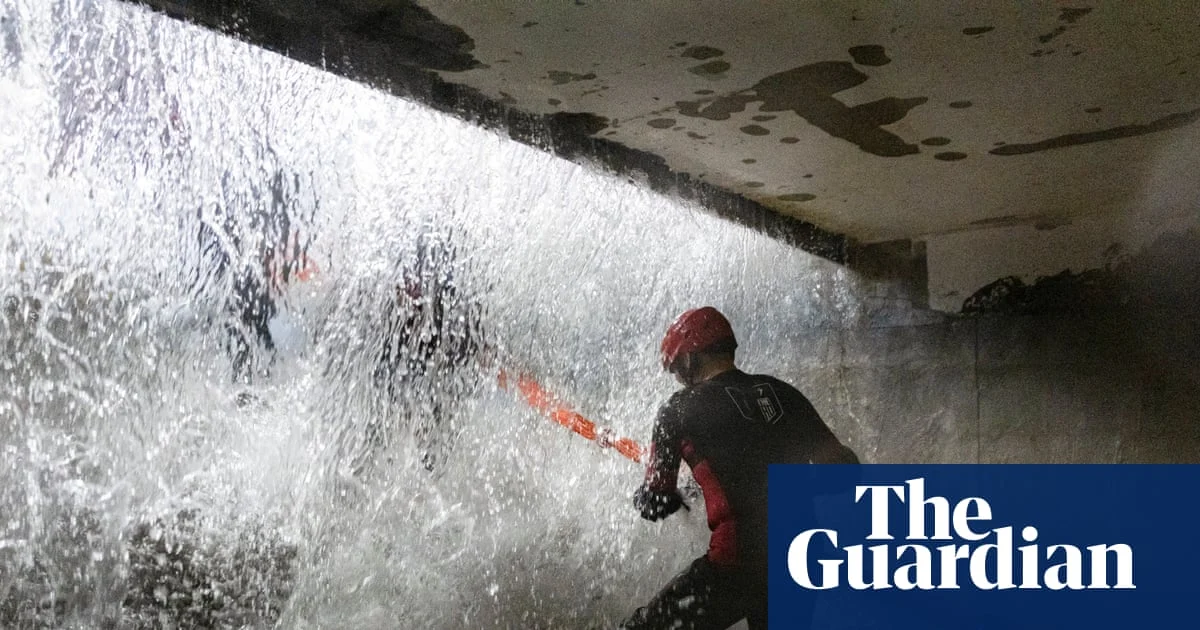
China’s tourists are increasingly visiting simulated disaster zones, including fake typhoon experiences, as part of a growing interest in dark tourism that lets visitors safely confront natural phenomena.
One traveler, Leon Lv from Chongqing, researched destinations on RedNote before choosing a location advertising typhoon-strength winds and flash flood simulations.
KEY FACTS
- Chinese tourists seek dark tourism experiences like fake typhoons
- Leon Lv found the site via RedNote social media app
- Experience offers typhoon winds and flash floods in safety
- Trend reflects rising demand for paying to suffer attractions
- Visitors aim to learn and feel what real typhoons are like
WHY THIS DARK TOURISM GROWS
The appeal of “paying to suffer” has evolved into a niche market for simulated catastrophes, letting people safely encounter disasters they only see in news reports. Leon Lv said she never experienced a real typhoon and wanted to understand its sensations firsthand, leading her to book a session featuring artificially generated wind and flood effects.
Operators design these attractions with controlled environments, ensuring guests feel the intensity without actual danger. This format blends education with entertainment, attracting curious travelers who crave novel experiences.
WHAT HAPPENS AT THESE SITES
Depending on the venue, guests may enter chambers that replicate typhoon conditions using powerful fans, water sprays, and motion platforms. Some locations also stage mock evacuations or emergency drills to deepen immersion.
These simulations often include briefings from staff dressed as rescue workers, adding realism. Participants wear protective gear while navigating obstacle courses designed to mimic flooding or structural damage.
WHAT WE KNOW — AND WHAT WE DON’T
Verified by the source:
- Chinese tourists visit simulated disaster zones for dark tourism
- Leon Lv used RedNote to find her chosen experience
- Simulations include typhoon-strength winds and flash flood effects
- Attraction promises both learning and sensory engagement
Still unconfirmed:
- Exact number of facilities offering such experiences
- Specific dates of operation or visitor capacity
- How widespread the trend is across China
- Safety standards or regulatory oversight at venues
WHY IT MATTERS
Simulated disasters tap into a global shift toward experiential tourism, where authenticity competes with virtual media exposure. As climate-related tragedies dominate headlines, some travelers seek mediated encounters as a way to process fear or satisfy curiosity about extreme weather events.
WHAT TO WATCH
Future developments may reveal whether authorities regulate these venues or expand educational partnerships with tourism boards.