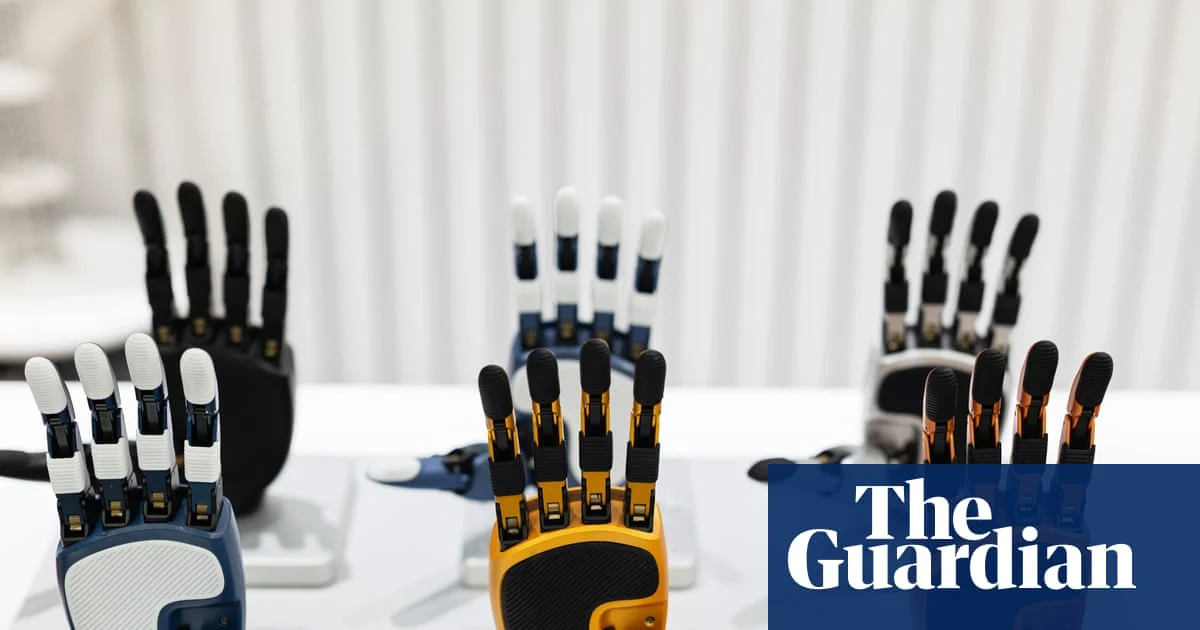
China is focusing on the hardest problem in robotics – creating dextrous robot hands – to make humanoid robots practical tools.
The push is part of a broader race to develop ‘embodied AI’, with companies aiming to move robots beyond gimmicks.
Key Facts
- China wants to solve the hardest problem in robotics – making hands.
- The race to develop embodied AI focuses on creating dextrous hands.
- The goal is to transform humanoid robots from gimmicks into useful products.
- Human hands are exceptionally complex and flexible.
- Most companies working on this challenge are based in China.
How did we get here?
The rapid progress of artificial intelligence has spurred interest in giving robots human‑like manipulation abilities. Engineers see dextrous hands as the missing link.
Who is involved?
Numerous Chinese companies are investing in research and development of advanced robotic hands, though no specific names are given in the source.
What happens next?
These firms aim to produce hands capable of tasks such as tying shoelaces or buttoning shirts, moving closer to functional humanoid robots.
What We Know — and What We Don’t
Verified by the source:
- China is targeting the creation of dextrous robot hands as a key challenge.
- The effort is part of a race to develop embodied AI.
- Human hands are described as the most flexible part of the skeleton.
Still unconfirmed:
- Exact timelines for achieving functional robot hands.
- Specific companies leading the research.
- Whether the hands will achieve the full range of human tasks.
Understanding progress in dextrous robot hands matters because it could shift robotics from novelty items to everyday tools, impacting industries and consumers.
Watch for announcements from Chinese firms on prototype demonstrations or partnerships that could signal breakthroughs.