Skip to content
LIVE
WAR & GEOPOLITICS US Did Not Warn Ukraine of Russian Strikes on Kyiv, Zelenskyy Says — 80% verified      SPORTS NBA Season Preview: Key Facts for All 30 Teams — 64% verified      SPORTS Premier League Clubs Eye Alexander-Arnold Amid Real Madrid Uncertainty — 64% verified      TOP STORIES Ghent Design Museum Built From Recycled Construction Waste — 80% verified      SPORTS Terry McLaurin Carted Off With Knee Injury in MNF Loss — 64% verified      TOP STORIES Global Biodiversity Deal Must Deliver Now, Warns Environment Official — 80% verified      WAR & GEOPOLITICS Healey Rejects Cabinet Calls to Raise Capital Gains Tax — 80% verified      TOP STORIES Late Night Remarks on Trump Press Secretary Departure After Five Days — 80% verified      SPORTS Rays Advance to World Series After ALCS Game 6 Win — 70% verified      TOP STORIES Helen Haines Loses Leg After Alleged Targeted Attack in Wangaratta — 80% verified      WAR & GEOPOLITICS US Did Not Warn Ukraine of Russian Strikes on Kyiv, Zelenskyy Says — 80% verified      SPORTS NBA Season Preview: Key Facts for All 30 Teams — 64% verified      SPORTS Premier League Clubs Eye Alexander-Arnold Amid Real Madrid Uncertainty — 64% verified      TOP STORIES Ghent Design Museum Built From Recycled Construction Waste — 80% verified      SPORTS Terry McLaurin Carted Off With Knee Injury in MNF Loss — 64% verified      TOP STORIES Global Biodiversity Deal Must Deliver Now, Warns Environment Official — 80% verified      WAR & GEOPOLITICS Healey Rejects Cabinet Calls to Raise Capital Gains Tax — 80% verified      TOP STORIES Late Night Remarks on Trump Press Secretary Departure After Five Days — 80% verified      SPORTS Rays Advance to World Series After ALCS Game 6 Win — 70% verified      TOP STORIES Helen Haines Loses Leg After Alleged Targeted Attack in Wangaratta — 80% verified     
Tuesday, October 20, 2026
Updated 2 minutes ago
AI-Verified Global News Intelligence
AI MONITORING ACTIVE
13,395 articles published
Economy & Markets 80% VERIFIED

China Resists U.S. Pressure on Iran Sanctions

Beijing pushes back against Trump administration efforts to tighten economic sanctions on Iran, risking U.S.-China tensions.
Economy & Markets · August 26, 2026 · 2 months ago · 2 min read · AI Summary · NYT > Business
80 / 100
AI Credibility Assessment
High Credibility
AI VERIFIED 0/3 claims verified 1 sources cited
Source Corroboration 30%
Source Tier Quality 70%
Claim Verification 40%
Source Recency 90%

Single-source rewrite; limited independent verification

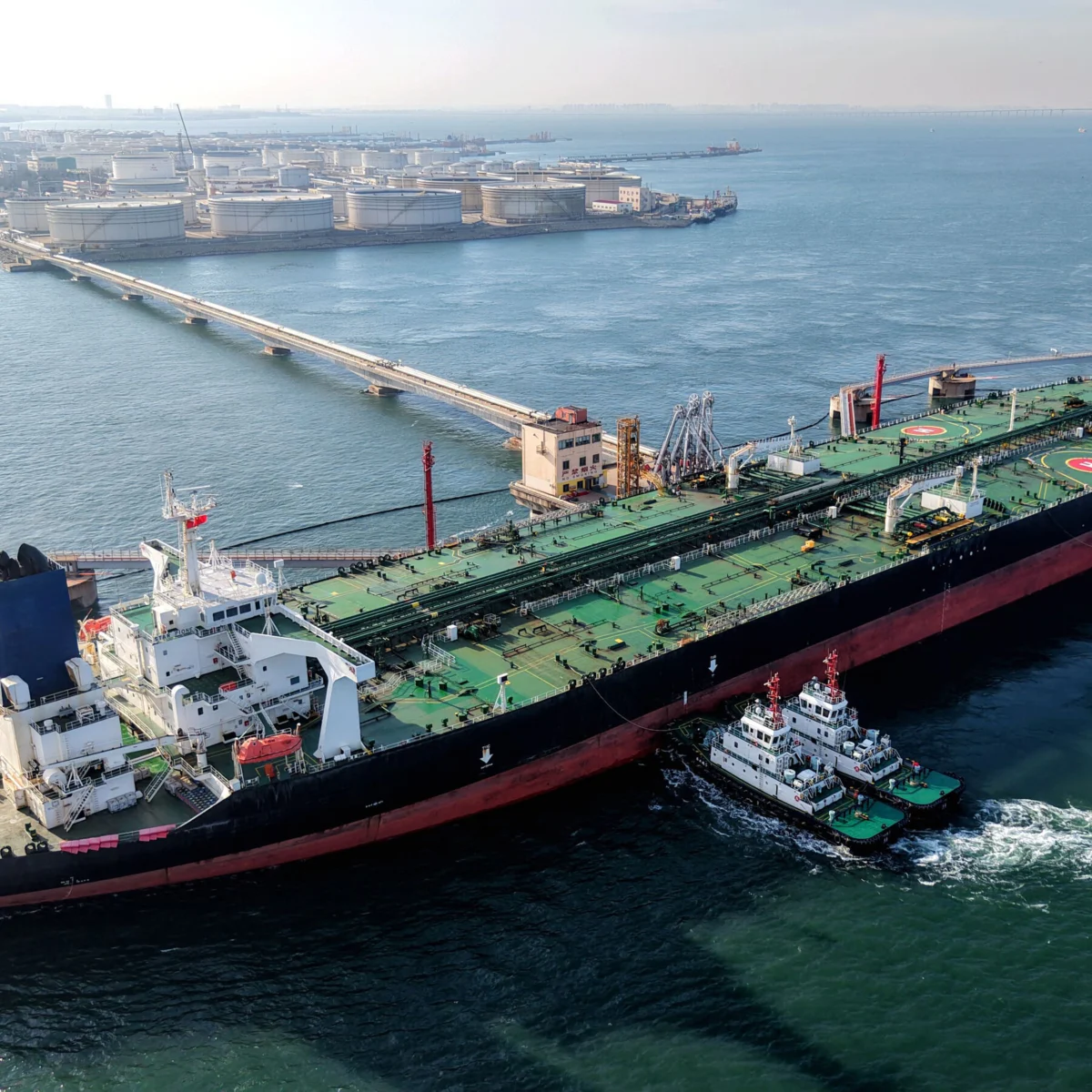
The Trump administration is facing resistance from China as it seeks to intensify economic pressure on Iran without destabilizing a fragile truce in U.S.-China relations. The move could escalate tensions between Washington and Beijing, which has economic ties with Tehran.

According to the source, the U.S. aims to isolate Iran economically but risks provoking a diplomatic clash with China in the process. The situation underscores the delicate balance in global economic and geopolitical strategies.

KEY FACTS

  • The Trump administration is tightening economic sanctions on Iran.
  • China is resisting these measures, potentially risking U.S.-China relations.
  • The U.S. aims to cut off Iran’s economic lifelines.
  • The U.S.-China truce remains fragile amid these developments.

Why Is This Happening Now?

The Trump administration’s latest efforts to pressure Iran come amid broader geopolitical shifts. Iran has long been a focal point of U.S. foreign policy, particularly regarding its nuclear program and regional influence. China, meanwhile, has maintained economic ties with Iran, complicating U.S. attempts to isolate Tehran.

The U.S.-China relationship has been under strain due to trade disputes and strategic rivalries. A fragile truce between the two nations could be jeopardized by disagreements over Iran policy.

What Are the Risks?

Escalating tensions between the U.S. and China could disrupt global markets and complicate diplomatic efforts. Iran, already under significant economic pressure, may seek to leverage its relationship with Beijing to mitigate U.S. sanctions.

Any breakdown in U.S.-China negotiations could have broader implications for international trade, given the economic weight of both nations.

WHAT WE KNOW — AND WHAT WE DON’T

Verified by the source:

  • The Trump administration is tightening sanctions on Iran.
  • China is pushing back against these measures.
  • The U.S.-China truce remains fragile.

Still unconfirmed:

  • The specific economic measures China may take in response.
  • Whether other nations will align with U.S. or Chinese positions.
  • The long-term impact on Iran’s economy.

WHY IT MATTERS

The U.S.-China-Iran dynamic reflects broader geopolitical tensions with global economic consequences. How these relationships evolve could influence trade policies, energy markets, and regional stability in the Middle East and beyond.

WHAT TO WATCH

Watch for official statements from U.S. and Chinese officials, as well as Iran’s response to economic pressure. Shifts in trade flows or diplomatic engagements could signal where this standoff is headed.

Community Verdict — Do you trust this story?
Be the first to vote on this story.