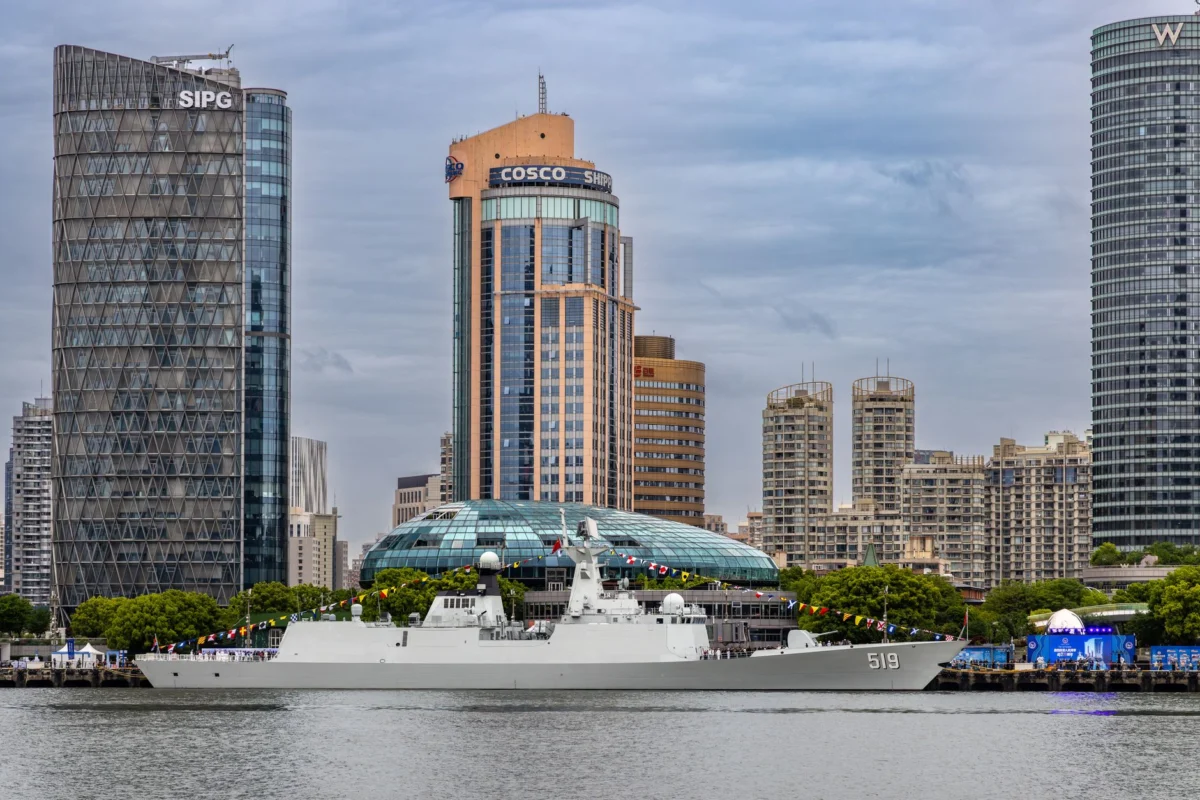
At 0600 hours local time, a line of five Chinese destroyers and two Type‑055 cruisers streaked past the western coast of Taiwan, their radar dishes humming like a swarm of angry hornets.
That sight is becoming routine. The China navy has increased its presence in the Taiwan Strait by more than 30 % since January, according to satellite‑derived ship‑tracking data compiled by independent analysts.
What the numbers really mean
In the past three months the People’s Liberation Army Navy (PLAN) has logged roughly 1,200 transits through the 180‑kilometre-wide waterway, compared with just 900 in the same period a year earlier. Of those, 150 were classified as “high‑intensity” maneuvers—close passes within 5 nautical miles of Taiwanese vessels.
Meanwhile, Taiwan’s own fleet has been forced to keep eight of its own navy’s 20 patrol boats on constant alert, stretching crew fatigue and maintenance cycles.
Why does this matter?
For Taiwan’s 23 million residents, the growing naval pressure translates into higher insurance premiums for shipping, longer wait times at ports, and the looming risk of an inadvertent clash that could pull the United States into a regional war.
Globally, the strait handles about 40 % of world merchant traffic. Any disruption would ripple through supply chains, affect the price of semiconductors, and force multinational firms to reroute cargo, inflating costs for consumers everywhere.
How the world is watching
The United States has responded with quarterly freedom‑of‑navigation operations, dispatching destroyers and carrier‑based aircraft to the area. Japan and Australia have similarly increased patrols, signalling a coordinated “strategic net” around the island.
Analysts at the International Institute for Strategic Studies note that the PLAN’s emphasis on “informationized warfare” – integrating cyber, electronic and kinetic tools – makes a sudden escalation harder to predict.
Yet Taiwan’s President‑elect has warned that the island will not be a passive target, pledging to modernise its own navy with domestically‑built stealth corvettes.
What happens next?
Experts expect the frequency of PLAN transits to rise as China completes its third‑generation carrier group, slated for commissioning later this year. The key question is whether diplomatic channels can keep the drill from becoming a pre‑emptive strike.
Stay tuned as regional powers recalibrate their rules of engagement and as intelligence firms monitor real‑time ship movements for the next sign of escalation.
War and geopolitics coverage will continue to track the evolving standoff.