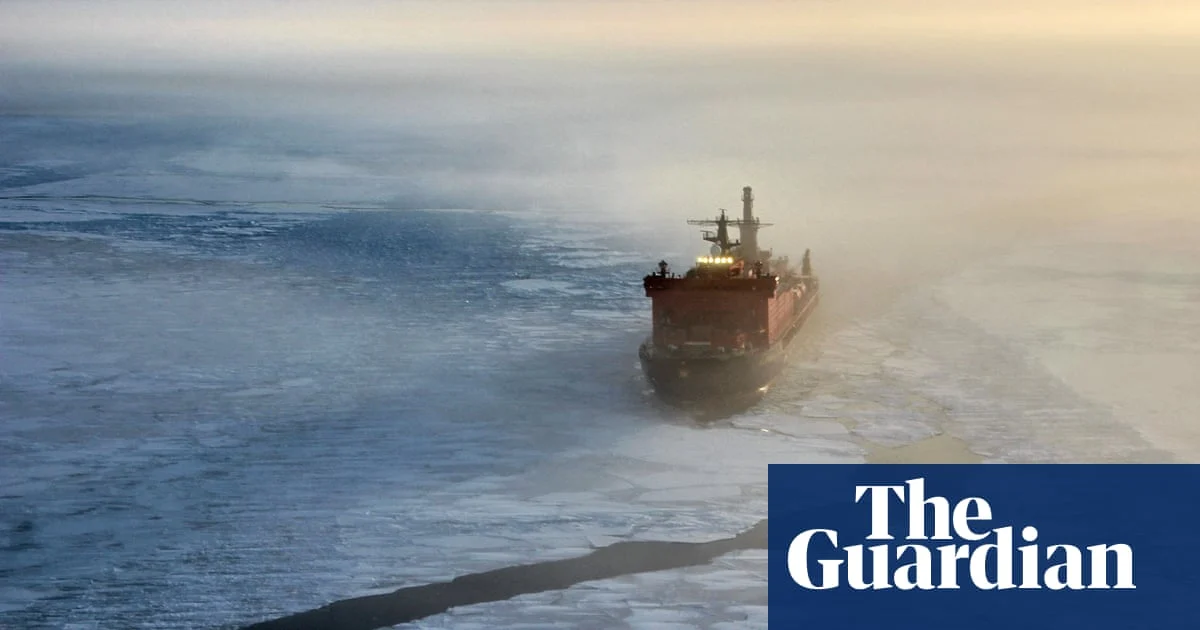
China has launched the first scheduled shipping transit through the Arctic’s northern sea route, marking a significant step in its ‘ice silk road’ initiative. The 5,500km channel, navigated with the aid of nuclear-powered icebreakers, offers a potential alternative to congested routes like the Strait of Hormuz.
Key Facts
- China has established the first scheduled transit through the Arctic’s northern sea route.
- The route spans approximately 5,500km through frozen seas.
- Nuclear-powered icebreakers are used to navigate the challenging Arctic waters.
- Environmental and political risks associated with the route remain unresolved.
What does this mean for global shipping?
The Arctic shipping route could offer a faster alternative to traditional passages like the Strait of Hormuz, which often faces congestion and geopolitical tensions. While the route’s potential is significant, its viability depends on overcoming substantial challenges, including harsh weather conditions and the need for specialized icebreaking vessels.
What are the environmental concerns?
The environmental impact of increased shipping activity in the fragile Arctic ecosystem is a major concern. The use of nuclear-powered icebreakers and the potential for oil spills pose significant risks. Questions remain about how these challenges will be addressed as traffic through the route increases.
What We Know — and What We Don’t
Verified by the source:
- China has successfully established the first scheduled transit through the Arctic route
- The route is being developed as part of China’s ‘ice silk road’ initiative
Still unconfirmed:
- How frequently the route will be used for commercial shipping
- The exact environmental safeguards being implemented
- How other nations will respond to China’s Arctic ambitions
Why It Matters
The development of Arctic shipping routes could reshape global trade patterns, offering alternatives to traditional chokepoints. However, the environmental consequences and geopolitical implications of increased activity in the region warrant careful consideration as these routes develop.
What To Watch
Observers will be monitoring how China expands its Arctic shipping operations and whether other nations follow suit. The environmental impact of increased traffic through this fragile region remains a critical concern.