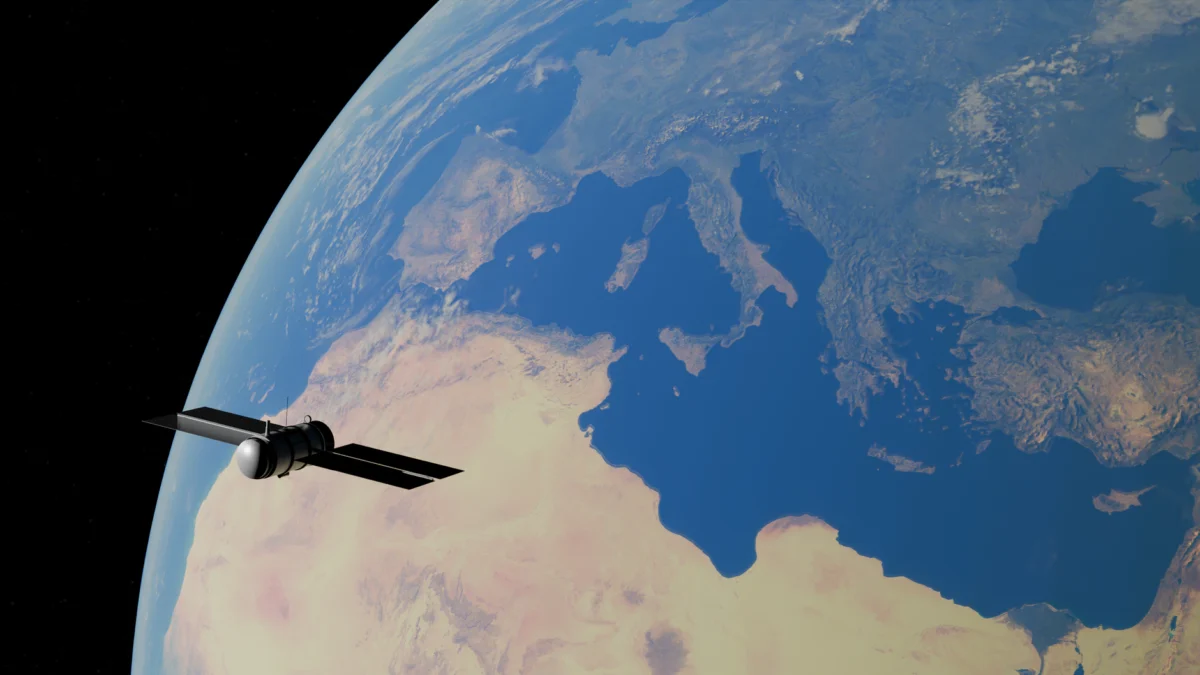
China‑Europe Earth observation cooperation is advancing toward greater complementarity, an ESA official told Xinhua. The statement highlights a shift toward more coordinated use of satellite data between the two regions.
What does “greater complementarity” mean for the partnership?
The term suggests that the Earth observation programmes of China and Europe will increasingly fill each other’s gaps, sharing data and expertise to improve monitoring of the planet. By aligning missions and avoiding duplication, both sides aim to enhance the overall quality and coverage of observations.
Why does this matter?
Enhanced Earth observation capabilities can support a range of societal needs, from climate tracking to disaster response. When major players such as China and the European Union coordinate their satellite resources, the combined data set becomes more robust, offering clearer insights for policymakers and scientists. This development is relevant to the war‑geopolitics arena, where shared scientific tools may influence broader strategic relations.
While the ESA official did not provide specific project details, the comment signals an intention to deepen collaboration. Such cooperation could involve joint missions, data‑sharing agreements, or joint research initiatives, all aimed at making each region’s satellite observations more complementary.
What happens next?
The next steps are likely to involve formal discussions between the European Space Agency and Chinese space agencies to define areas of synergy. Future announcements may outline concrete programmes, joint funding mechanisms, or shared technical standards. Observers will watch for any official agreements that clarify how the two sides plan to implement the described complementarity.
In the broader context, the move reflects a trend of increased scientific partnership across geopolitical lines, even as other areas of interaction remain complex. The focus on shared Earth observation objectives demonstrates that common challenges, such as climate change and natural hazards, can foster cooperation.
Stakeholders in the satellite industry and related policy circles will likely assess how this evolving partnership may affect market dynamics, data accessibility, and research collaborations. As the dialogue progresses, the balance between cooperation and competition will remain a key theme for analysts.
Overall, the ESA official’s remarks point toward a more integrated China‑Europe approach to monitoring Earth’s systems, with potential benefits for global scientific understanding and practical applications.