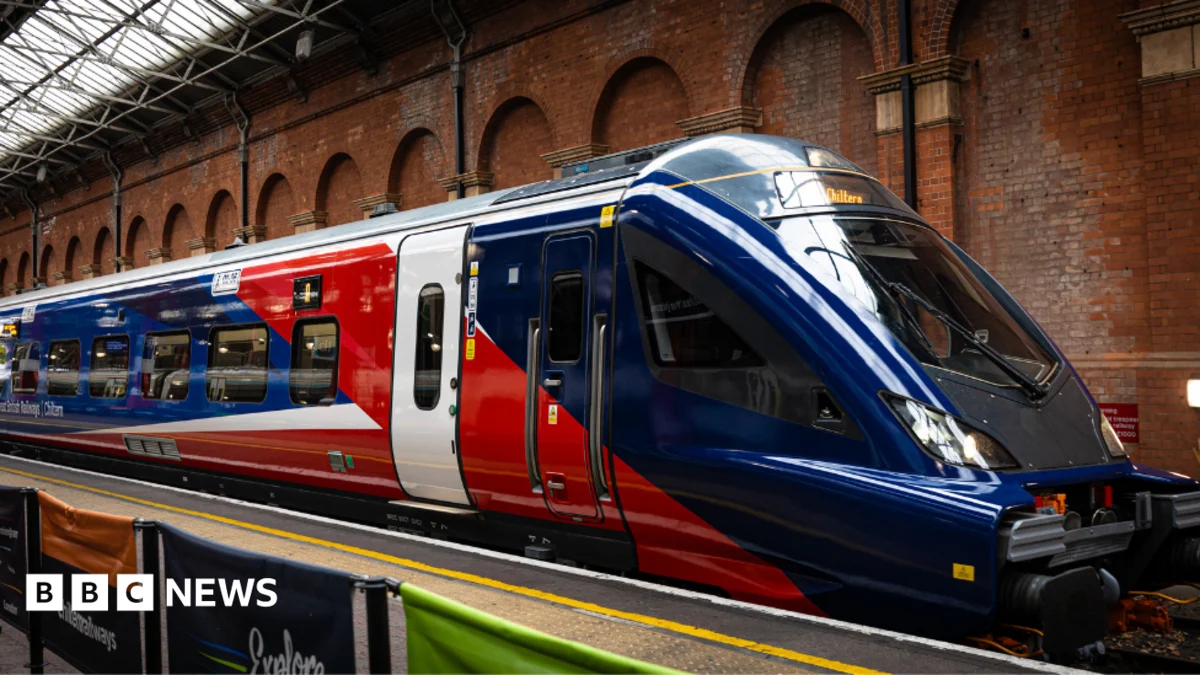
Chiltern Railways has been renationalised after 30 years, joining Great British Railways as part of government plans to save money and improve services. The move marks a significant shift in UK rail policy, returning the operator to public control after decades of private franchise operation. The government has framed the decision as part of wider efforts to cut costs and enhance passenger experience across the network.
The change was announced as part of new legislation that enables the creation of Great British Railways, a single public body overseeing passenger rail services. Chiltern Railways now operates under this structure alongside other routes that have transitioned from private to public management. The government says the restructuring will streamline operations and reduce inefficiencies previously associated with separate franchises.
Key Facts
- Chiltern Railways has been renationalised.
- The railway operated privately for 30 years.
- It now joins Great British Railways.
- The goal is to save money and improve services.
What happens next?
Following renationalisation, Chiltern Railways will operate under the umbrella of Great British Railways alongside other services that have moved into public ownership. The government expects the transition to proceed without major disruption for passengers, though it has not specified how long the process will take. Official plans suggest the changes are intended to deliver faster, more reliable services over time.
Great British Railways was established as part of broader rail reforms introduced by the government. The new body is responsible for managing passenger rail services across England, replacing the previous system of privately operated franchises. Supporters of renationalisation argue that public control allows better coordination of timetables, pricing, and infrastructure investment, while critics have previously raised concerns about the financial impact of ending private contracts.
Who is affected?
Passengers travelling on the Chiltern route between London Marylebone and cities including Birmingham, Oxford, and Aylesbury will experience the transition directly. The service connects millions of commuters and leisure travellers each year, many of whom rely on the line for daily transport to and from London. Trade unions representing rail workers have welcomed the change, citing opportunities for improved job security and working conditions under public management.
Industry analysts note that the decision reflects a growing trend toward public involvement in essential transport services. Similar moves in other countries have produced mixed results, with some reporting efficiency gains and others warning of rising public expenditure. The government has not released detailed forecasts comparing projected savings against previous private-sector arrangements.
What We Know — and What We Don’t
Verified by the source:
- Chiltern Railways has been renationalised.
- It joins Great British Railways.
- The move is part of government plans to save money and improve services.
- The railway was previously operated privately for 30 years.
Still unconfirmed:
- The exact date of the renationalisation transfer.
- Projected financial savings from the restructuring.
- Whether service standards or ticket prices will change immediately.
- A timeline for full integration with Great British Railways.
Why It Matters
Rail transport plays a vital role in the UK’s economy and daily life, connecting towns and cities while supporting millions of commuters. Changes to how services are run affect not only travel reliability and cost but also broader regional development. For readers tracking developments in [economy-markets](/category/economy-markets) and [politics](/category/politics), this story illustrates how public policy reshapes infrastructure once considered permanent private assets.
What To Watch
Further details on service adjustments and financial outcomes may emerge as the integration with Great British Railways progresses.