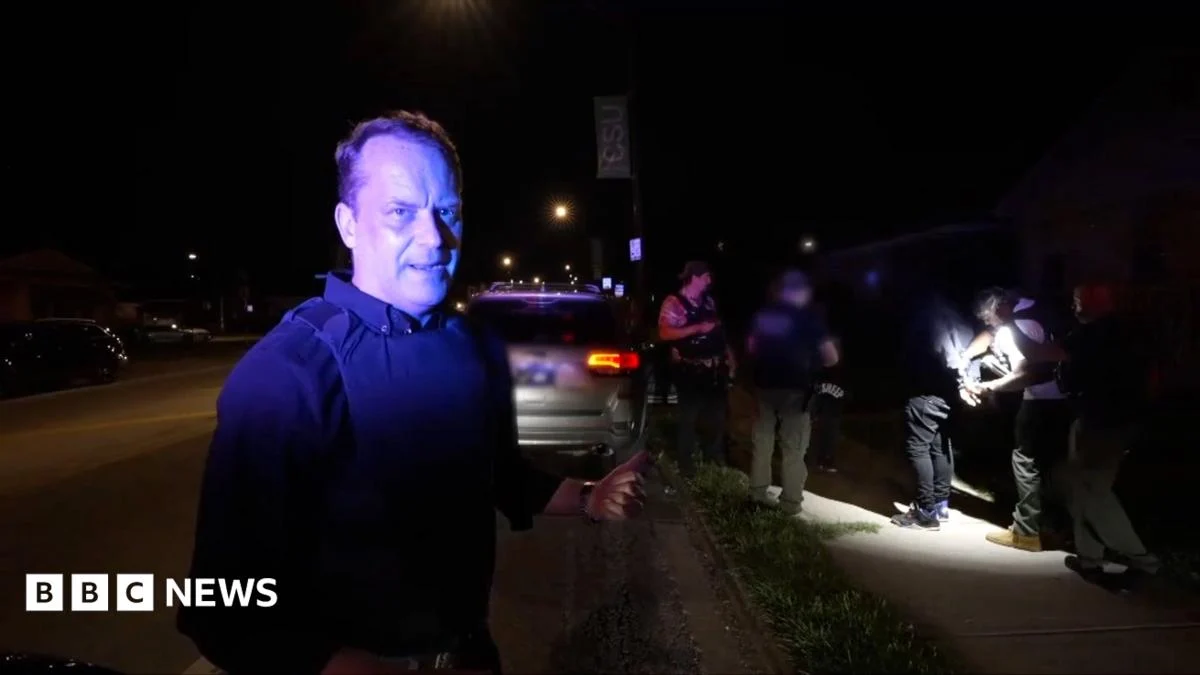
A new wave of synthetic drugs is sweeping across the United States, intensifying concerns over a deepening national drug crisis. Reporting from Chicago’s South Side, the BBC highlights how local communities are on the front lines of this escalating emergency.
The rise of synthetic drugs has introduced powerful, often unpredictable substances into already strained neighborhoods, compounding public health challenges and law enforcement pressures nationwide.
KEY FACTS
- A new wave of synthetic drugs is sweeping across the United States.
- The situation is raising fears of a worsening drug crisis.
- The BBC’s Quentin Sommerville is reporting from Chicago’s South Side.
- Communities in Chicago are actively battling the synthetic drug crisis.
The Scope of the Crisis
Synthetic drugs represent a rapidly evolving threat to public health across the United States. Unlike traditional illicit substances, these man-made compounds can be altered quickly, outpacing regulatory and law enforcement responses. Their potency and variability make them especially dangerous, contributing to rising overdose rates and strained emergency services.
In cities like Chicago, the impact is particularly visible. The South Side, already burdened by socioeconomic challenges, is experiencing a concentrated surge in synthetic drug use and related harm. Local organizations and outreach programs are working to provide support, though resources often fall short of growing demand.
Who Is Affected?
The reach of synthetic drugs extends far beyond individual users, affecting entire families and communities. In Chicago’s South Side, residents describe a pattern of addiction, crime, and instability tied to the availability of these substances. Schools, healthcare facilities, and social services are all seeing increased strain as a result.
Officials and advocates note that synthetic drugs do not discriminate by age, race, or income level. However, communities with limited access to treatment and prevention resources face the sharpest consequences. The crisis underscores longstanding inequities in healthcare and social support systems across urban America.
What Happens Next?
As synthetic drugs continue to spread, the need for coordinated federal, state, and local responses grows more urgent. Lawmakers are under pressure to strengthen regulations and expand funding for treatment programs. Meanwhile, public health experts warn that without swift action, the current trajectory could lead to even higher rates of addiction and overdose.
The situation in Chicago reflects a broader national struggle. With new synthetic variants emerging regularly, authorities must adapt quickly to stay ahead of traffickers and protect vulnerable populations. Community-driven initiatives are seen as critical, but sustainable change will likely require policy shifts and increased investment at multiple levels of government.
WHAT WE KNOW — AND WHAT WE DON’T
Verified by the source:
- Synthetic drugs are spreading across the United States.
- The BBC is reporting from Chicago’s South Side.
- Communities in Chicago are actively confronting the drug crisis.
Still unconfirmed:
- Specific types or origins of the synthetic drugs involved.
- Casualty numbers or exact geographic scope of the outbreak.
- Names and roles of any responding officials or agencies.
- Timeline or future policy measures expected to address the crisis.
WHY IT MATTERS
The spread of synthetic drugs poses a serious threat to public health and community safety across the country. As seen in Chicago and other cities, the crisis strains emergency services, disrupts families, and deepens social inequities. Addressing it effectively requires timely intervention and sustained investment in prevention and treatment programs.
WHAT TO WATCH
Further reporting is expected as the situation develops, including potential updates on policy responses and community-level interventions. Readers can follow related coverage in health and science and politics categories.