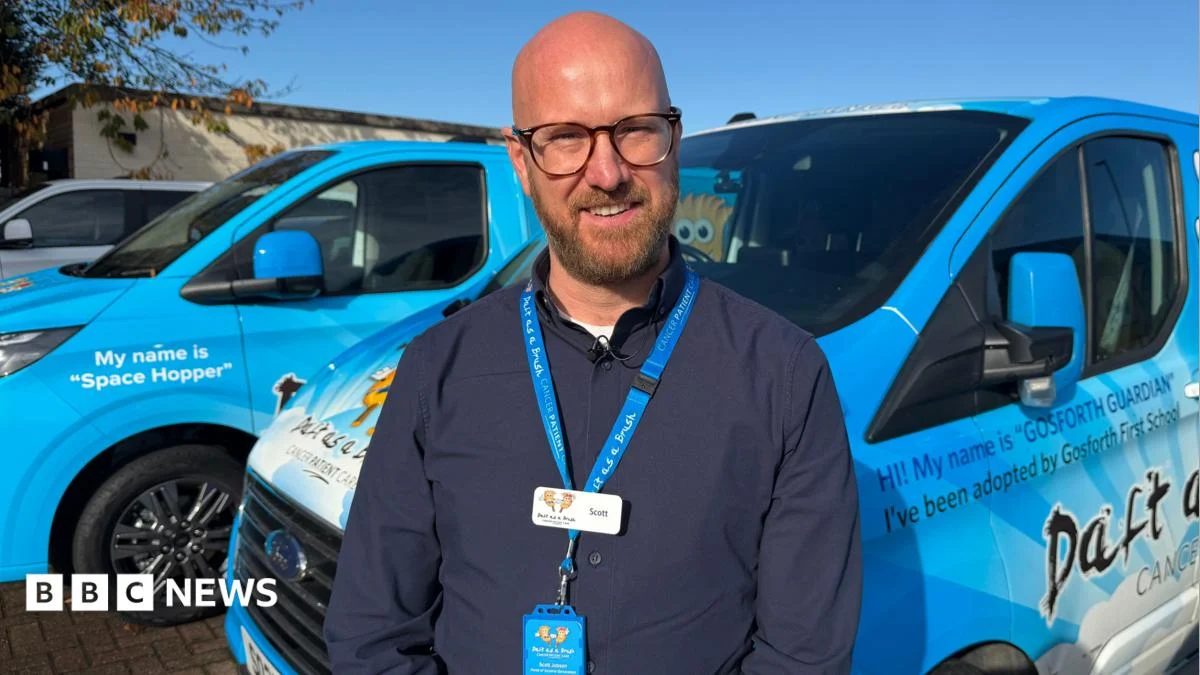
Rising diesel cost pressures are forcing charities and businesses to reconsider operations, with at least two organizations publicly acknowledging the strain. The BBC News report highlights Daft as a Brush, a cancer charity, and Teesside Minibus Hire as examples of entities struggling at the pump. While the report does not specify exact locations or timeframes, it underscores a broader trend affecting transport-dependent groups across the economy and markets. These cost increases may ripple into service delivery, staffing budgets, and community outreach programs. For charities, higher fuel bills can mean fewer resources for core missions. For businesses like minibus hire firms, passing costs to customers risks reduced demand. The article draws no conclusions about policy responses or long-term fixes, instead focusing on current real-world impacts. Fuel costs remain a sensitive barometer of inflationary pressure on households and organizations alike.
Key Facts
- Cancer charity Daft as a Brush reports struggling with diesel cost.
- Teesside Minibus Hire also says it is struggling with pump prices.
- BBC News reports both organizations are feeling the impact of rising fuel costs.
- The report reflects broader concern about diesel cost across sectors.
Who Is Affected?
The report does not name additional affected parties beyond the two cited. However, the framing suggests others facing similar pressures. Charities relying on vehicles for patient transport, medical appointments, or mobile outreach services are particularly exposed. Public transport providers, logistics firms, and delivery companies also depend heavily on diesel. When pump prices rise sharply, these groups often absorb costs temporarily before adjusting fares or services. Some may reduce operating hours or suspend routes to manage expenses. The lack of detail in the source prevents deeper analysis, but the mention of a cancer charity adds urgency, as health-related mobility directly affects patient care access.
What Happens Next?
The article offers no indication of future meetings, policy proposals, or government responses. It also omits whether fuel duty freezes, subsidies, or consumer behavior shifts are being considered. Without named officials or timeline references, next steps remain unclear. Still, sustained high fuel costs typically prompt parliamentary questions, industry lobbying, or consumer advocacy campaigns. Readers should look for follow-up coverage from BBC News or other outlets tracking economic developments in the UK. Monitoring statements from HM Treasury or the Department for Transport could clarify potential relief measures. Until then, affected groups may face continued financial pressure.
What We Know — and What We Don’t
Verified by the source:
- A cancer charity named Daft as a Brush is struggling with diesel cost.
- Teesside Minibus Hire is also struggling with pump prices.
- BBC News reported these claims without quoting named spokespeople.
- The report links rising fuel costs to organizational strain.
Still unconfirmed:
- Exact increase in diesel prices or percentage change.
- Timeline or duration of financial impact described.
- Whether other charities or businesses echo these concerns.
- No policy response, subsidy, or legislative action mentioned.
Rising fuel costs disproportionately affect nonprofits and transport-reliant businesses, potentially reducing services for vulnerable communities.
Why It Matters
Fuel represents a significant operational expense for many nonprofits and small firms. When diesel cost rises unexpectedly, these organizations often lack pricing power to offset losses. Reduced revenues may force cuts to staff hours, volunteer programs, or outreach events. For cancer patients dependent on charity transport, delays or cancellations can disrupt critical care. Broader economic inflation amplifies this burden, affecting everything from ambulance services to rural bus routes. While central banks monitor inflation, frontline groups feel the brunt first. Understanding who bears this cost helps contextualize wider economic stress.
What To Watch
Readers should watch for follow-up reporting from BBC News or financial journalists covering fuel policy and its effects on public services. No official comments or parliamentary action was cited in the source material.