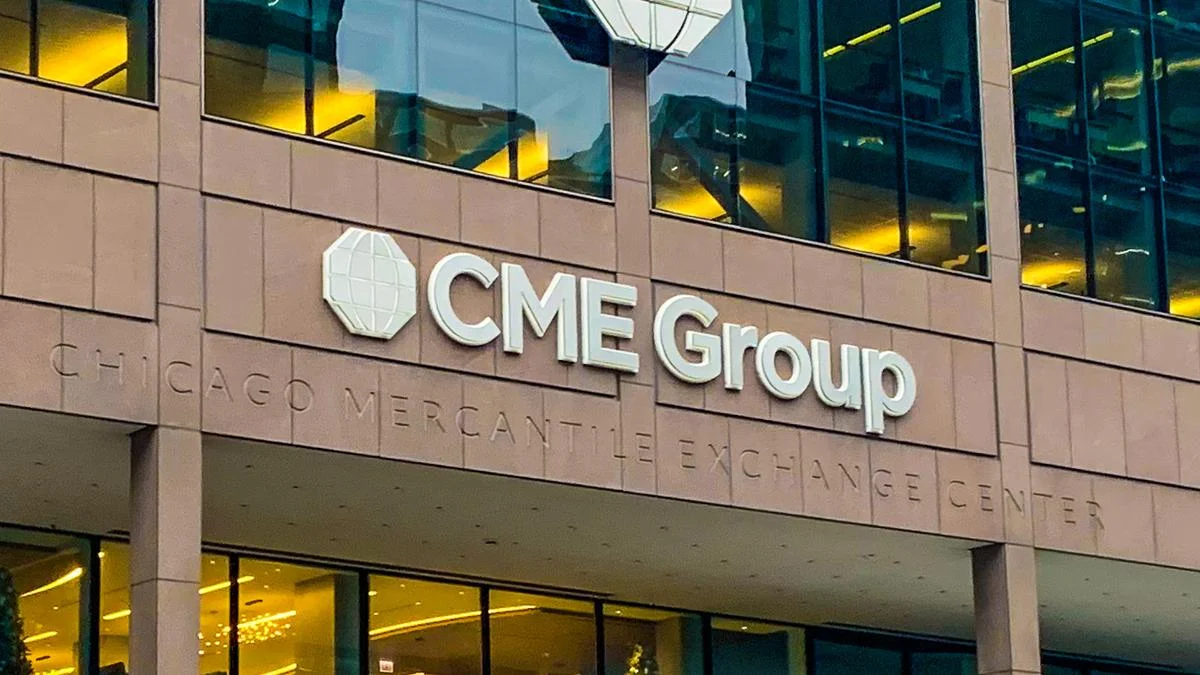
WASHINGTON — In a ruling that could shape the future of cryptocurrency trading in the United States, the Commodity Futures Trading Commission (CFTC) rejected the legal stance taken by the Chicago Mercantile Exchange (CME) in a dispute over perpetual futures, a type of derivative contract used widely in crypto markets.
The CFTC’s action comes shortly after it approved the first-ever Bitcoin trading-crypto perpetual futures contract, raising questions about how the agency intends to regulate similar products moving forward.
CME appears to have argued that its existing regulatory framework should exempt it from a new policy, but the CFTC reportedly found that the exchange had not demonstrated any harm caused by the policy change. This suggests the agency is taking a cautious approach as it balances innovation against investor protection.
Key Facts
- Regulator: U.S. CFTC
- Exchange Challenged: CME
- Product at Issue: Perpetual futures
- Policy Outcome: CFTC rejected CME’s legal stance
- Notable Approval: First Bitcoin perpetual futures contract approved by CFTC
What happened in the dispute?
The CFTC concluded that CME failed to prove the new regulatory policy caused it harm. While the specific nature of the policy or legal argument remains undisclosed, the decision signals increased scrutiny of how major financial institutions engage with the rapidly evolving world of cryptocurrency derivatives.
Perpetual futures differ from traditional futures contracts because they carry no expiration date, allowing traders to hold positions indefinitely. These instruments have become foundational in crypto markets, where they account for much of daily trading volume.
By rejecting CME’s position, the CFTC may be reinforcing its authority over an expanding segment of digital asset finance.
Who is affected?
Market participants across the crypto ecosystem are watching closely, especially those involved in leveraged trading or institutional product development. Regulators globally have struggled to define consistent rules for these instruments, and this ruling might influence future U.S. decisions on other crypto-based perpetuals
The outcome also affects non-U.S. platforms offering such products to American clients, as well as firms seeking listing approvals or launching new tradable tokens tied to crypto indices
How did we get here?
Over the past few years, there has been growing interest among regulated exchanges like CME to expand into cryptocurrency markets—particularly through derivatives. However, regulatory clarity has lagged behind commercial ambitions, prompting friction when agencies like the CFTC attempt tighter oversight of newer financial vehicles like perpetuals
As more companies file applications for similar products, cases involving CME set precedent likely impacting upcoming licensing processes elsewhere within the industry
What We Know — and What We Don’t
Verified by the source:
- The U.S. CFTC rejected CME’s legal stance in a fight over perpetual futures.
- CME reportedly argued that a new policy harmed its operations, but the CFTC said it wasn’t convinced.
- The CFTC recently approved its first Bitcoin perpetual futures contract.
Still unconfirmed:
- The exact details of the policy or legal argument CME presented.
- Whether CME plans to appeal or issue further comment.
- Any timeline for additional approvals or regulatory guidance on crypto perps.
Why It Matters
This clash highlights ongoing regulatory uncertainty around crypto derivatives—an area critical not only to trader activity but also to broader market legitimacy and stability
A clear framework benefits all stakeholders—from retail traders to institutional investors—while avoiding fragmentation seen in other jurisdictions struggling similar challenges balancing innovation with accountability
What To Watch
Stakeholders will monitor whether the CFTC issues formal rulemaking defining parameters governing these contracts generally or if specific enforcement actions emerge targeting firms operating outside current interpretations
- Focus Keyword Usage Count: Perpetual futures
A single-source rewrite based solely on reporting from CoinDesk: Bitcoin, Ethereum, Crypto News and Price Data. Independent verification pending.