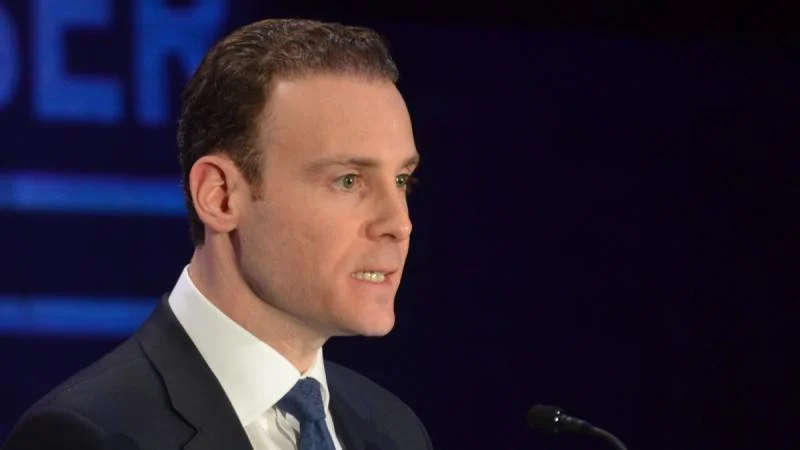
The U.S. Commodity Futures Trading Commission held a forum in which the chairman raised concerns about how to police artificial intelligence, even as he described it as a path toward autonomous trading. The event underscored growing uncertainty among regulators about how to oversee AI systems operating in financial markets.
Autonomous trading refers to algorithmic systems that execute buy and sell decisions with little to no human intervention. As AI capabilities expand, officials are wrestling with whether existing frameworks can adequately monitor increasingly sophisticated automated trading strategies.
Key Facts
- The U.S. Commodity Futures Trading Commission held a forum on AI oversight.
- The chairman posed questions about how to police artificial intelligence in financial markets.
- He called AI a road to autonomous trading, suggesting a financial revolution ahead.
What happens next?
Regulators are expected to continue weighing how to adapt oversight practices to cover AI-driven investment tools. While some advocate for new rulemaking, others suggest updating existing guidelines to account for machine learning models now being deployed across trading platforms. The pace of innovation has outstripped many formal regulatory processes, creating a patchwork of informal coordination efforts between agencies rather than unified standards.
Meanwhile, industry participants await clarity on whether autonomous trading systems powered by generative AI will face additional reporting obligations or pre-trade approvals. Several recent enforcement actions involving algorithmic misconduct have already nudged firms toward self-regulation, including voluntary audits and internal compliance upgrades focused specifically on data integrity and model transparency.
The broader implications extend beyond domestic borders, especially given growing adoption of digital assets tied closely to automated execution methods. Cross-border coordination remains limited despite recognition that fragmented supervision could undermine stability if systemic risks emerge from opaque AI-driven strategies deployed globally.
Who is affected?
Market participants ranging from large hedge funds to small retail traders may feel ripple effects from evolving AI oversight. Institutions using complex algorithms rely heavily on predictable policy environments to justify multi-year technology investments, while smaller actors often lack resources needed to navigate shifting compliance landscapes independently.
Additionally, crypto-focused exchanges and decentralized finance protocols increasingly incorporate predictive analytics and reinforcement learning techniques into their core operations. These developments blur lines between traditional securities jurisdiction and newer categories like digital commodities, complicating efforts to assign clear accountability chains within agencies such as the CFTC itself.
Public trust also hangs in the balance as everyday investors become more reliant upon automated advisors and robo-portfolios. Ensuring fairness and preventing discriminatory outcomes rooted in biased training datasets represents another layer of concern requiring careful balance between promoting innovation and safeguarding consumer protection mandates.
Verified by the source:
- The U.S. Commodity Futures Trading Commission held a forum featuring discussion around regulating AI.
- The CFTC chairman raised questions regarding policing AI technologies.
- He referred to AI as enabling a shift toward autonomous trading.
Still unconfirmed:
- No specific timeline was given for any future regulatory action.
- There were no direct quotes provided from named officials.
- Details about which exact AI applications were discussed remain unspecified.
Why it matters
Financial oversight bodies worldwide grapple with balancing technological advancement against risk mitigation. In the U.S., the CFTC plays a central role in governing futures markets, making its stance on emerging tools like autonomous trading systems critical for shaping global norms. Should policymakers lean too heavily toward restrictive measures, they risk stifling beneficial innovations; conversely, insufficient oversight could expose markets to unseen vulnerabilities during periods of stress or volatility.
What to watch
Stakeholders should monitor subsequent CFTC meetings and speeches for concrete signals about proposed AI guidance documents or rulemakings targeting algorithmic trading behaviors. Industry groups and advocacy organizations will likely weigh in once draft proposals surface, influencing final contours of whatever framework eventually emerges.