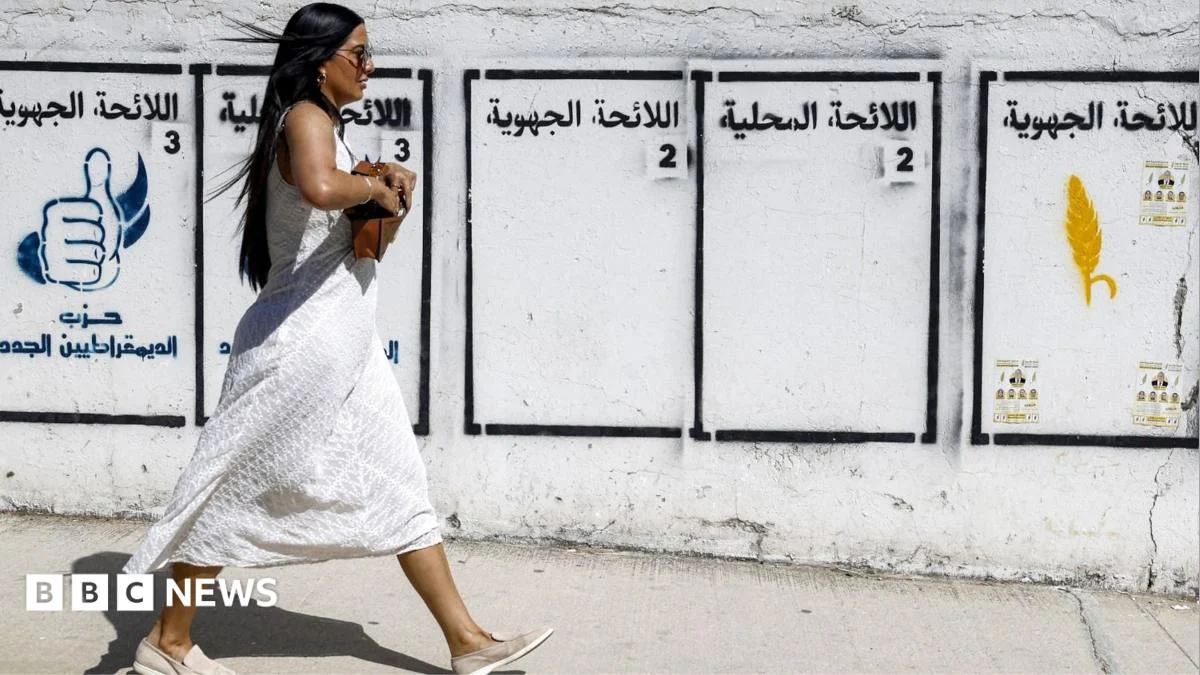
LEDE
Political messaging ahead of the Morocco election is converging around three emotive themes: the disputed territory of Ceuta, domestic football, and Israel. Young voters are being courted with football slogans, promises of jobs and anti-Israel rallying calls, according to BBC News.
The Morocco election is drawing attention to how politicians tailor appeals to first-time and younger voters, using cultural touchstones and geopolitical rhetoric to mobilize support.
KEY FACTS
- Young voters are being courted with football slogans.
- Political campaigns include promises of jobs.
- Anti-Israel rallying calls are part of campaign messaging.
- Ceuta is featured in the Morocco election narrative.
THE STORY
What happens next?
The Morocco election will determine which parties gain influence in forming the next government. Campaign messaging centered on Ceuta, football, and Israel suggests politicians are trying to energize younger, socially conscious voters who may have lower traditional turnout.
Ceuta remains a flashpoint in Moroccan politics because it is a Spanish autonomous city on the northern African coast. Politicians referencing Ceuta signal nationalist sentiment and territorial claims, appealing to voters concerned about sovereignty and border security.
Football serves as a powerful unifying symbol among Moroccan youth. By incorporating football slogans into campaign rhetoric, parties hope to connect with fans and broader sections of young society who identify strongly with the national game.
Who is affected?
Young voters are the primary target of these campaign strategies. They are courted not only through football slogans but also with direct promises of jobs, addressing high youth unemployment that has long influenced political engagement in the country.
Anti-Israel rallying calls indicate that foreign policy positions are being used to attract voters who hold strong views on international solidarity. These messages resonate with segments of the population that expect the government to take clear stances on global issues affecting Palestinians and other causes.
The Morocco election outcome could shift domestic policy priorities, especially those related to employment generation and social welfare. It may also influence how Morocco positions itself internationally, particularly on matters involving Israel and broader Middle East diplomacy.
WHAT WE KNOW — AND WHAT WE DON’T
Verified by the source:
- Young voters are being courted with football slogans.
- Jobs are being promised as part of campaign outreach.
- Anti-Israel rallying calls appear in campaign messaging.
- Ceuta is mentioned in the context of the Morocco election.
Still unconfirmed:
- No specific political parties or candidates are named.
- No exact number of young voters targeted is provided.
- No details on how many campaigns use these tactics.
- No timeline or location specifics within Morocco.
WHY IT MATTERS
The Morocco election reflects a broader trend where domestic politics increasingly intersect with cultural identity, economic opportunity, and foreign policy sentiment. For international observers, these dynamics highlight how geopolitical relationships like those involving Israel can influence voting patterns in North African democracies.
WHAT TO WATCH
Analysts will watch whether the Morocco election results reflect stronger support for parties using identity-driven messaging. Early indicators may include shifts in youth voter turnout and post-election coalition negotiations.