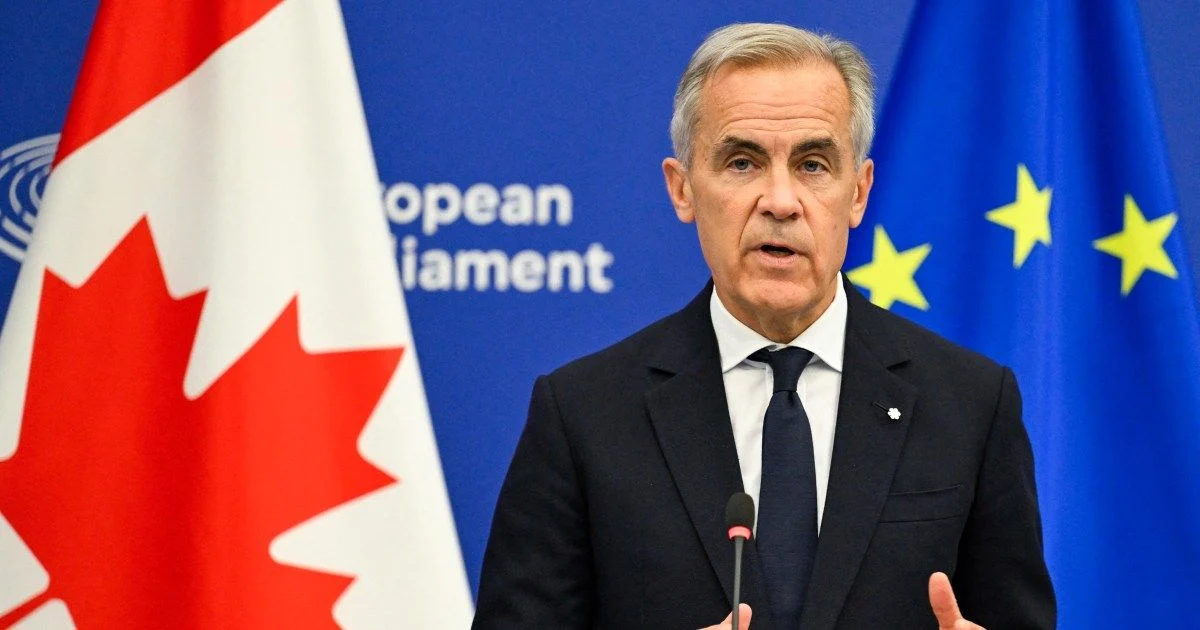
Canadians are showing growing openness to the idea of European Union associate membership, a proposal that could deepen bilateral cooperation in areas such as employment, education, and commerce. The concept has gained traction among policymakers and citizens alike, suggesting a potential shift toward more integrated transatlantic relations.
Associate membership, distinct from full EU accession, typically allows non-member countries to participate in selected aspects of EU policies without assuming complete obligations. For Canada, such an arrangement might extend beyond traditional trade frameworks, offering new pathways for mobility and collaboration across sectors including labor mobility, academic exchange programs, and regulatory alignment in key industries.
KEY FACTS
- Canadians are increasingly receptive to the notion of EU associate membership.
- Potential benefits cited include expanded options in work and study programs.
- Enhanced trade relationships with the European Union are viewed as a major advantage.
- The proposal signals a move toward closer ties between Canada and the EU.
What Does EU Associate Membership Entail?
EU associate membership refers to a partnership model that grants participating nations partial access to certain elements of the European project while stopping short of full incorporation. Countries engaging under this status often gain preferential access to markets, simplified visa processes, and involvement in specific policy areas such as research and development or environmental standards. While not unprecedented—several countries already maintain similar arrangements with Brussels—the application by Canada would represent one of the largest economies pursuing such a status globally.
This framework differs significantly from Comprehensive Economic and Trade Agreement (CETA), Canada’s existing trading pact with the EU, which focuses primarily on reducing tariffs and streamlining commercial regulations. Unlike CETA, associate membership could introduce broader socio-cultural exchanges, harmonized professional certifications, and joint initiatives in emerging fields like green technology and artificial intelligence.
Who Benefits From Closer Canada-EU Ties?
A wide range of stakeholders stand to benefit if Canada adopts an associate membership posture with the European Union. Young professionals may find improved job prospects due to recognized qualifications and streamlined work permit procedures. Students could access more affordable tuition rates at European institutions, alongside easier credit transfers and internships abroad. Meanwhile, businesses—particularly small and medium enterprises—might leverage reduced barriers when exporting goods or establishing local operations within EU jurisdictions.
Beyond individual gains, governments too anticipate enhanced diplomatic influence through deeper institutional engagement. Should Ottawa pursue formal negotiations, it would join a growing list of nations seeking strategic partnerships that balance sovereignty concerns with global integration needs.
What Happens Next With the Proposal?
The path forward remains uncertain, as no official timeline or decision-making process has been disclosed. Public sentiment appears favorable, yet translating popular support into concrete policy requires intergovernmental coordination, legal scrutiny, and public consultations both domestically and in Europe. Additionally, questions persist regarding how other North American allies—particularly the United States—might respond to strengthened Canada-EU links amid ongoing regional commitments such as USMCA.
What is clear is that momentum behind these ideas continues to build. As geopolitical tensions reshape traditional alliances, nations increasingly seek flexible models for international cooperation—one where associate memberships offer middle-ground solutions balancing independence with interconnectedness.
WHAT WE KNOW / WHAT WE DON’T
Verified by the source:
- Canadians express general enthusiasm toward exploring closer ties via EU associate membership.
- Key areas identified include work opportunities, educational exchanges, and trade enhancements.
- The summary emphasizes perceived possibilities rather than finalized agreements or policies.
- No specific timeline or actionable steps were outlined in the source material.
Still unconfirmed:
- Whether any formal governmental discussions or diplomatic channels have initiated this concept.
- Exact scope of participation envisioned under a potential associate membership structure.
- Specific numbers detailing public approval levels or demographic breakdowns of support.
- Official responses from either Canadian or European Union authorities on feasibility or interest.
WHY IT MATTERS
In an era marked by evolving trade dynamics and shifting global allegiances, the prospect of enhanced Canada-EU collaboration through associate membership holds relevance far beyond bilateral relations. It reflects a broader trend among mid-tier powers striving to diversify partnerships while maintaining autonomy—a delicate equilibrium many democracies now actively court. For readers interested in tracking developments related to global economics and international diplomacy, monitoring how this narrative unfolds offers insight into future models of cross-border governance and mutual prosperity.
Meta description: Canadians show rising interest in EU associate membership proposal covering work, study, and trade benefits.
Explore our coverage of related topics like [economy and markets](https://www.sourcerated.com/category/economy-markets/) and [war and geopolitics](https://www.sourcerated.com/category/war-geopolitics/) for ongoing context about global shifts affecting North American interests.
WHAT TO WATCH
Stakeholders should monitor whether upcoming policy reviews or parliamentary sessions reference the associate membership idea publicly. Shifts in tone from either government officials or EU representatives could signal whether preliminary conceptual interest translates into structured negotiation agendas moving forward.