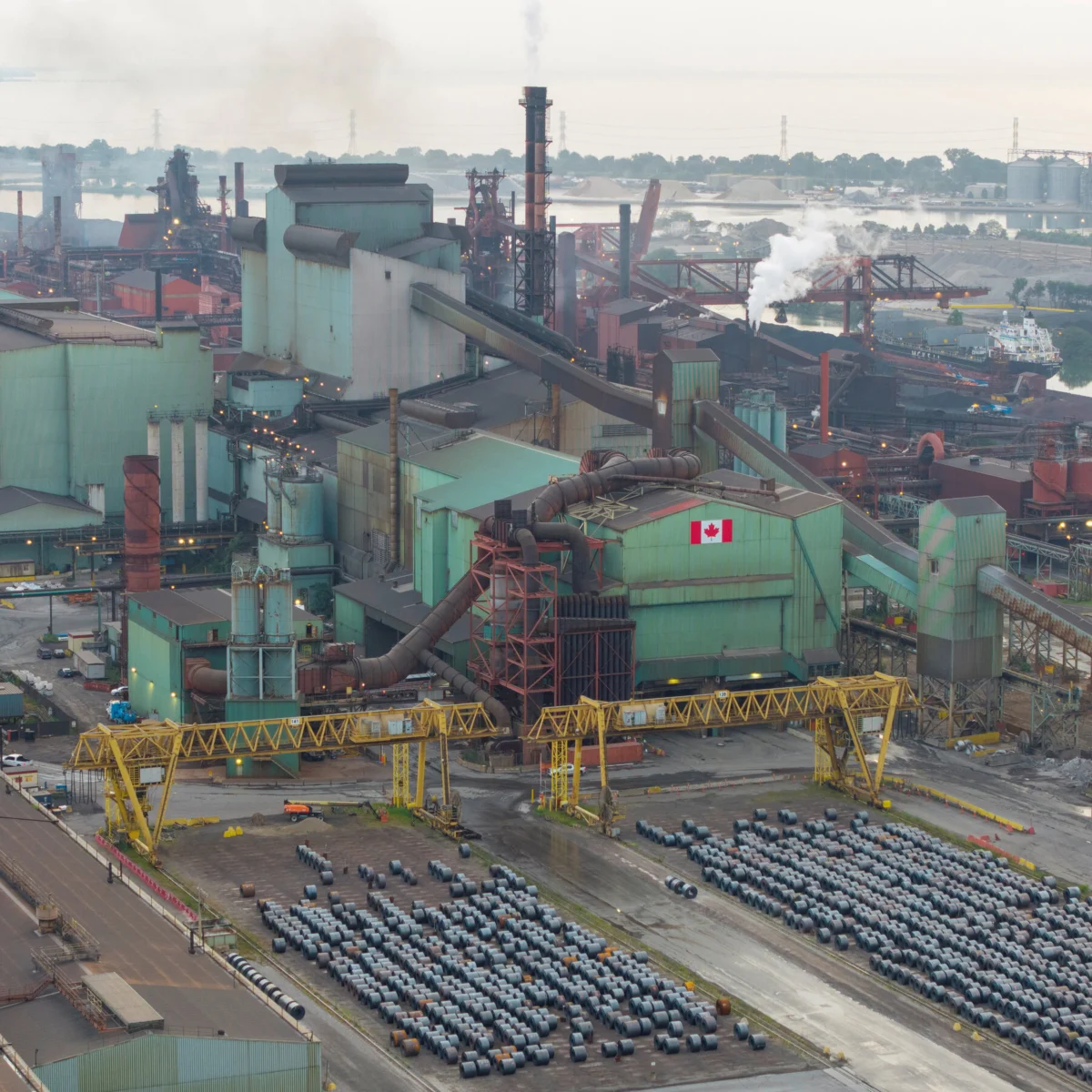
Canadian negotiators are in Washington attempting to finalize a deal to avoid new U.S. tariffs and improve existing terms, but face resistance domestically as a midnight deadline approaches. The talks, led by Mark Carney, aim to prevent economic disruptions that could arise from heightened trade barriers between the two nations.
The negotiations come amid ongoing trade tensions between Canada and the U.S., with both sides seeking to protect their economic interests. The outcome could have significant implications for cross-border trade, which supports millions of jobs in both countries.
KEY FACTS
- Canadian negotiators are in Washington to finalize a deal on tariffs.
- The talks aim to avoid new tariffs and improve existing ones.
- Mark Carney faces challenges selling the deal back in Canada.
- A midnight deadline set by former President Trump looms.
What Are the Stakes?
The negotiations could determine whether new tariffs are imposed, potentially disrupting billions in trade between the U.S. and Canada. Existing tariffs already affect key industries, and any escalation could lead to higher costs for businesses and consumers.
Canada is the U.S.’s second-largest trading partner, with over $700 billion in annual bilateral trade. A breakdown in talks could strain economic relations and lead to retaliatory measures.
Why Is This Deal Difficult?
Mark Carney, a former Bank of England governor now leading Canada’s negotiations, must balance U.S. demands with domestic political resistance. Some Canadian officials and industry groups oppose concessions that could disadvantage local businesses.
The midnight deadline adds pressure, leaving little room for prolonged discussions. If no agreement is reached, tariffs could take effect immediately, though extensions remain possible.
WHAT WE KNOW — AND WHAT WE DON’T
Verified by the source:
- Canadian negotiators are actively working on a deal in Washington.
- The talks aim to prevent new tariffs and revise existing ones.
- Mark Carney faces domestic opposition to potential concessions.
Still unconfirmed:
- The specific terms being negotiated.
- Whether an agreement will be reached before the deadline.
- How new tariffs would impact specific industries.
WHY IT MATTERS
Tariffs between the U.S. and Canada affect everything from automotive manufacturing to agriculture. A failure to reach a deal could raise costs for businesses and consumers in both countries, while a successful agreement could stabilize trade relations.
WHAT TO WATCH
Whether negotiators reach a deal before the midnight deadline, or if an extension is granted. Further statements from officials in both countries will clarify next steps.