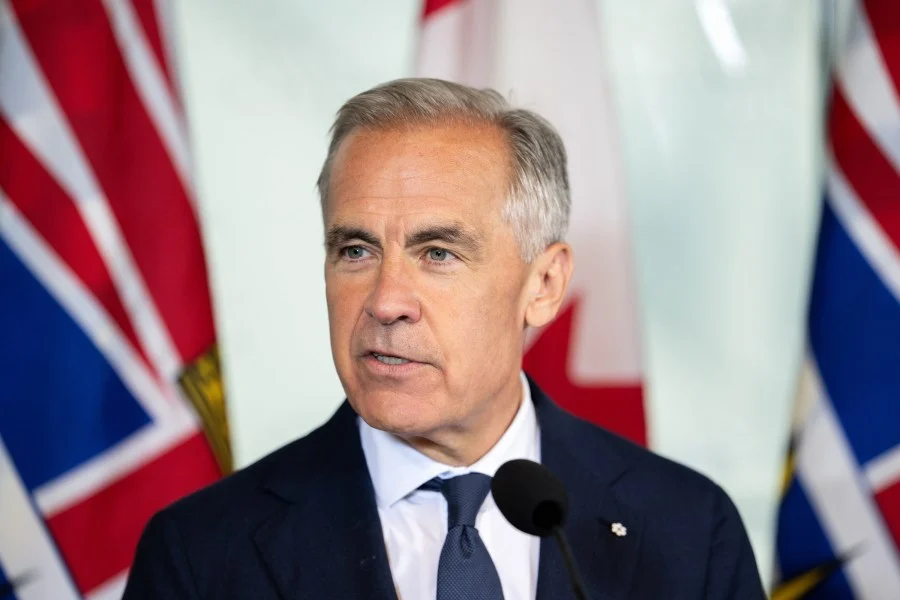
Canada will impose retaliatory tariffs on the United States beginning September 8, responding to new tariffs announced by the Trump administration. Prime Minister Mark Carney stated the measures aim to protect Canadian interests by matching the U.S. tariffs dollar for dollar.
The announcement came during a press conference where Carney emphasized the need to counteract the economic impact of the new U.S. tariffs, which are set at 50 percent. The retaliatory tariffs mark a significant escalation in trade tensions between the two neighboring countries.
Key Facts
- Canada will enact retaliatory tariffs on the U.S. starting September 8.
- The move responds to new 50 percent tariffs imposed by the Trump administration.
- Prime Minister Mark Carney stated the tariffs will match the U.S. measures dollar for dollar.
What prompted Canada’s response?
The decision follows the Trump administration’s imposition of 50 percent tariffs, which Canada views as economically damaging. By matching these tariffs, Canada aims to mitigate the financial impact on its industries and maintain fair trade practices. The announcement underscores the growing trade disputes between the two nations.
What happens next?
The implementation of tariffs on September 8 will likely heighten trade tensions. Observers will watch for potential negotiations or additional measures from either side as the situation develops. The economic repercussions for businesses and consumers in both countries remain a critical concern.
What We Know — and What We Don’t
Verified by the source:
- Canada will impose retaliatory tariffs on the U.S. starting September 8.
- The tariffs are a response to new U.S. tariffs set at 50 percent.
- Prime Minister Mark Carney announced the measures during a press conference.
Still unconfirmed:
- The specific industries or products targeted by Canada’s retaliatory tariffs.
- Whether the U.S. will respond with further trade restrictions.
- The long-term economic impact on bilateral trade relations.
Why It Matters
Trade tensions between Canada and the U.S. could disrupt supply chains, increase consumer prices, and strain diplomatic relations. The retaliatory tariffs highlight the broader challenges of maintaining balanced trade policies in a competitive global economy.
What To Watch
Key developments include the U.S. response to Canada’s tariffs and any potential negotiations aimed at de-escalating trade tensions. Businesses and policymakers will monitor the economic effects as the September 8 implementation date approaches.