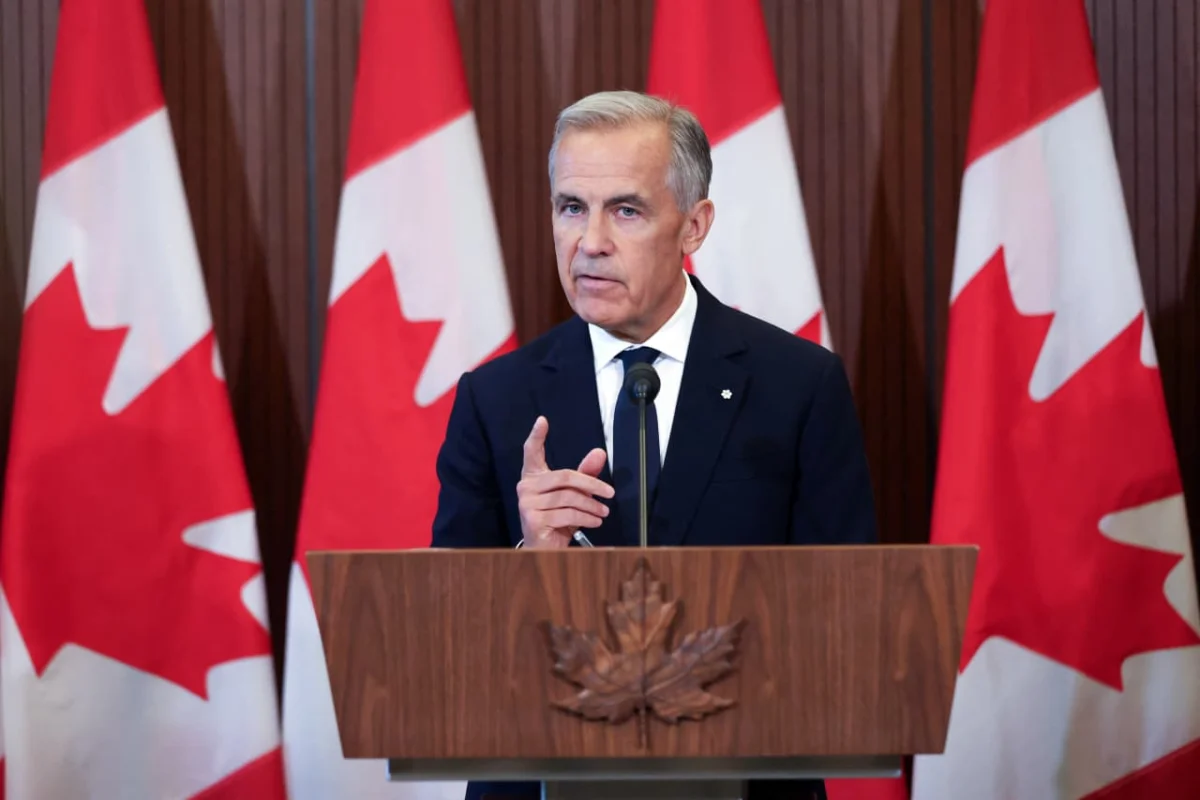
Canada has announced it will impose retaliatory tariffs on U.S. goods, a direct response to the breakdown of trade talks between the two nations. Canadian Prime Minister Mark Carney described the measure as “dollar-for-dollar,” emphasizing its proportional nature. This move marks a significant escalation in trade tensions between the long-standing allies.
Trade between Canada and the U.S. is one of the largest and most complex economic relationships in the world. The imposition of tariffs could have widespread implications for businesses and consumers in both countries.
Key Facts
- Canadian Prime Minister Mark Carney announced the tariffs.
- The tariffs are described as “dollar-for-dollar.”
- This is a retaliatory measure following failed trade talks.
What Led to This Decision?
Trade talks between Canada and the U.S. have been ongoing for some time, aiming to resolve disputes and strengthen economic ties. However, recent negotiations failed to produce an agreement, leading to Canada’s decision to impose tariffs. Such measures are often used as leverage in trade disputes, signaling a country’s willingness to protect its interests.
What Happens Next?
The implementation of these tariffs could lead to further escalations in the trade dispute. Businesses in both countries may face increased costs, potentially impacting prices for consumers. Observers will be watching closely to see if this move prompts renewed negotiations or further retaliatory measures.
What We Know / What We Don’t
Verified by the source:
- Canada is imposing retaliatory tariffs on U.S. goods.
- The tariffs are described as “dollar-for-dollar.”
Still unconfirmed:
- The specific goods targeted by the tariffs.
- The exact timeline for the tariff implementation.
Why It Matters
This development underscores the fragility of international trade relations and the potential for economic disruptions. For businesses engaged in cross-border trade, increased tariffs could mean higher costs and reduced competitiveness.
What To Watch
Attention will be on whether the U.S. responds with counter-tariffs or if both sides return to negotiations to resolve the dispute.