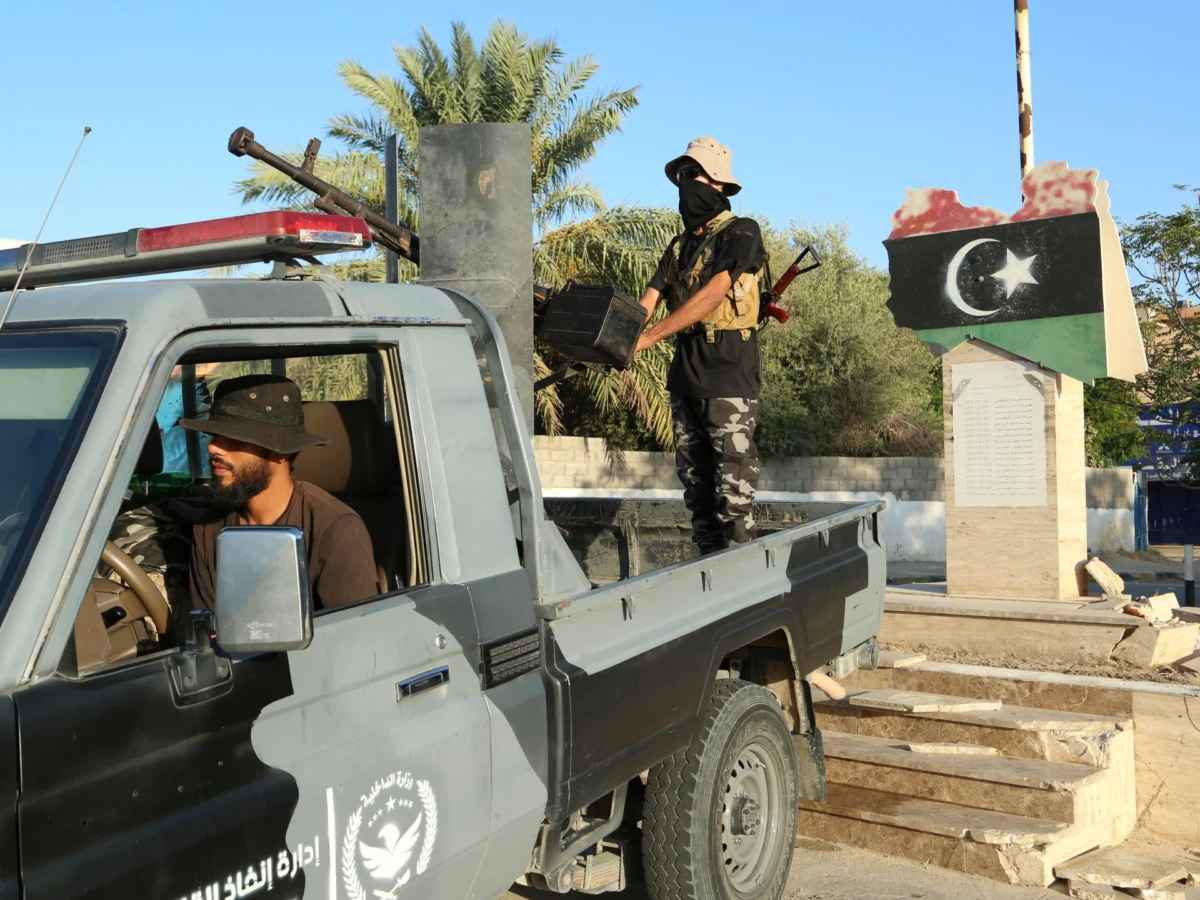
Diplomatic efforts to end the prolonged conflict in Libya face significant challenges as the country remains divided between rival governments in the east and west since 2014. The situation has persisted despite multiple international interventions, raising questions about whether diplomacy alone can achieve lasting peace.
The division dates back to 2014 when political and military factions split control, leading to ongoing instability. International actors have attempted mediation, but a unified government remains elusive.
KEY FACTS
- Libya has been divided since 2014.
- Rival governments control the east and west of the country.
- The conflict persists despite international diplomatic efforts.
How did Libya become divided?
The division in Libya stems from the aftermath of the 2011 revolution that overthrew Muammar Gaddafi. By 2014, political and military factions had split, leading to the establishment of rival administrations in the east and west. The lack of a unified authority has fueled violence and hindered economic recovery.
What role does diplomacy play?
Diplomatic initiatives led by the United Nations and regional organizations have sought to broker peace agreements between the rival factions. However, deep-seated divisions and external interference have complicated these efforts, leaving the prospects for a diplomatic resolution uncertain.
WHAT WE KNOW — AND WHAT WE DON’T
Verified by the source:
- Libya has been divided between rival governments since 2014.
- The conflict involves competing factions in the east and west.
Still unconfirmed:
- The effectiveness of current diplomatic efforts remains unclear.
- The timeline for possible reunification is unknown.
WHY IT MATTERS
A resolution to the Libya conflict is critical not only for regional stability but also for global security, as prolonged instability could exacerbate migration crises and empower extremist groups. Diplomatic success would mark a significant step toward rebuilding the country.
WHAT TO WATCH
Future diplomatic talks and the willingness of rival factions to negotiate will determine whether the conflict can be resolved peacefully.