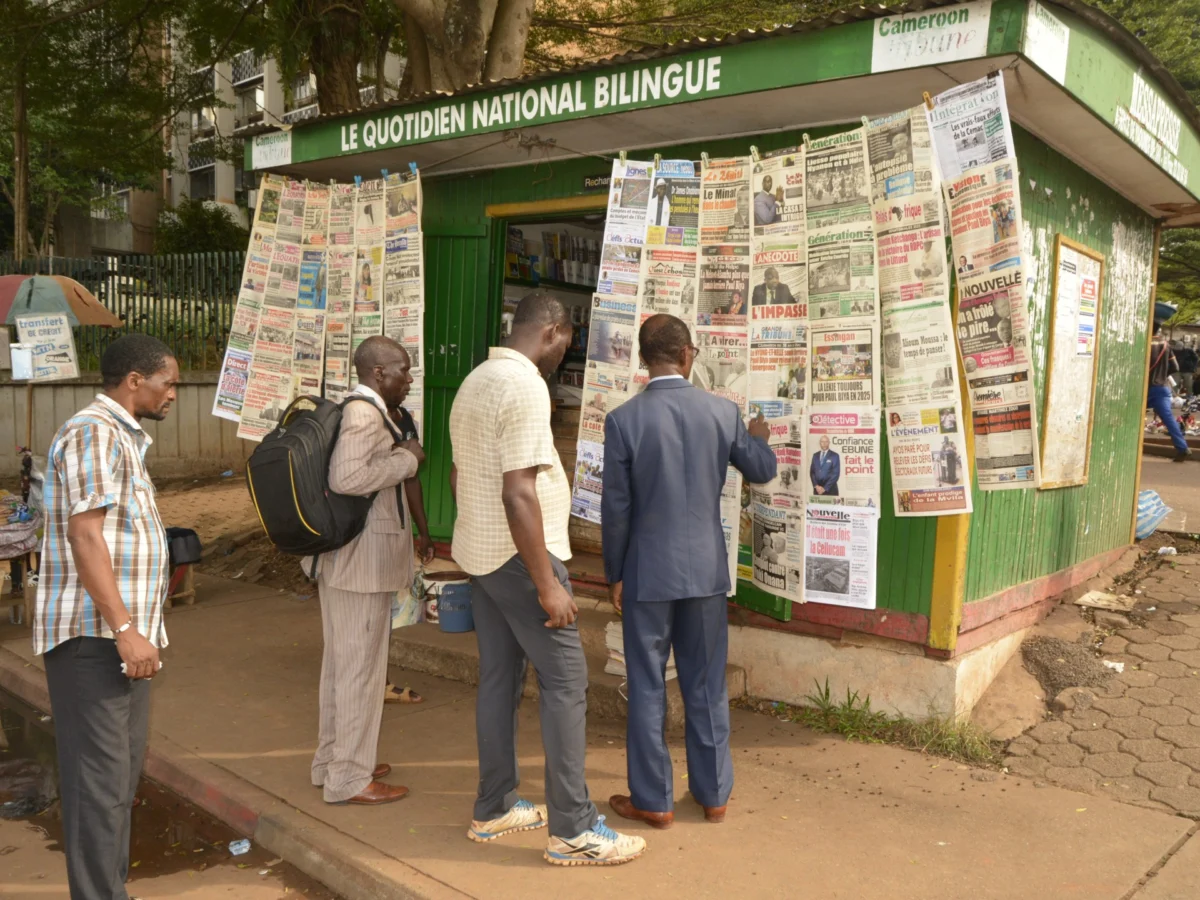
President Paul Biya has returned to Cameroon after spending 10 weeks abroad, yet the country remains without a new government or vice president, leaving citizens and observers waiting for long-promised changes. His return was widely expected to mark the beginning of a government reshuffle, a process many Cameroonians hope will bring renewed momentum to public administration and governance.
The delay in appointments has fueled speculation across political circles and civil society, with many questioning when the promised restructure will materialize and what form it will take. While the president’s return signals a potential turning point, the absence of any formal announcement continues to leave stakeholders in suspense.
Key Facts
- President Paul Biya returned to Cameroon after 10 weeks abroad.
- No new government or vice president has been appointed since his return.
- The government reshuffle was anticipated following his return.
- Citizens and political actors are awaiting official communication on next steps.
What Happens Next?
Cameroonians are now looking to the presidency for clarity on when the expected government reshuffle will occur and whether a vice president will be named. The lack of an immediate announcement has raised concerns among political analysts about possible delays in reform efforts or internal coordination challenges within the ruling party.
Past reshuffles in Cameroon have typically followed periods of presidential travel or national addresses, suggesting that an official statement or decree could be issued in the coming days. Analysts note that the composition of the new cabinet may reflect shifts in policy priorities or regional representation, though no names or departments have been disclosed in any verified reports.
Why the Wait Matters
A government reshuffle often serves as a signal of political direction and administrative renewal, making the delay significant for both domestic audiences and international partners monitoring governance in Central Africa. For ordinary Cameroonians, the wait underscores ongoing frustrations with bureaucratic stagnation and limited opportunities for meaningful policy change.
Regional observers have also taken note, as leadership transitions and cabinet adjustments can influence diplomatic relations and economic cooperation across the African continent. Should the reshuffle proceed, it would likely shape public expectations for improved service delivery, transparency, and institutional responsiveness in the months ahead.
What We Know — and What We Don’t
Verified by the source:
- President Paul Biya returned to Cameroon after being abroad for 10 weeks.
- No new government or vice president has been appointed since his return.
- A government reshuffle was expected after his return.
- Citizens are awaiting official announcements regarding appointments.
Still unconfirmed:
- The reasons behind President Biya’s 10-week absence.
- The exact timeline or criteria for the government reshuffle.
- Whether a vice president will be appointed at all.
- Names or positions of individuals potentially involved in the reshuffle.
Why It Matters
In a region where leadership transitions and policy changes directly impact millions of lives, the timing and transparency of a government reshuffle carry considerable weight. For Cameroonians at home and abroad, the delay reflects broader concerns about accountability and responsiveness in governance.
What To Watch
All eyes are now on the presidency for an official decree or statement outlining the next steps in the government reshuffle process. Any formal announcement would clarify the administration’s priorities and set expectations for political developments in the weeks ahead.