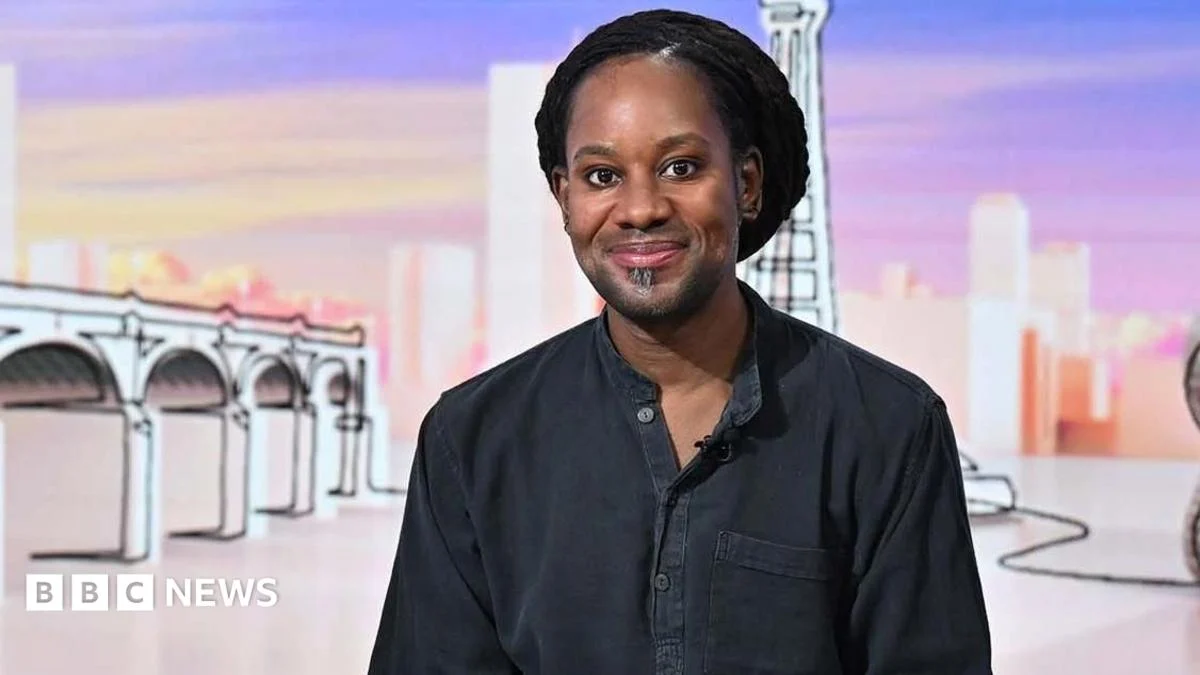
The chancellor of the University of Cambridge has condemned what they called a ‘racist feeding frenzy’ surrounding former professor Jason Arday, who was recently found dead amid a plagiarism controversy.
Arday, whose death was reported last week, had been at the center of allegations regarding academic misconduct before his passing. The chancellor’s remarks highlight the intense scrutiny and criticism Arday faced, which they argue was racially motivated.
KEY FACTS
- Jason Arday, a former University of Cambridge professor, was found dead last week.
- The chancellor of the University of Cambridge criticized the backlash against Arday as a ‘racist feeding frenzy’.
- Arday had been involved in a plagiarism row prior to his death.
THE STORY
What sparked the controversy?
Jason Arday, a professor at the University of Cambridge, became the subject of a plagiarism investigation before his death. The details of the allegations have not been fully disclosed, but the case drew significant public and media attention.
The chancellor’s statement suggests that the scrutiny Arday faced was disproportionate and racially charged. This has sparked a broader conversation about the treatment of academics of color in elite institutions.
Who is affected?
The death of Jason Arday and the ensuing controversy have impacted the University of Cambridge community, particularly faculty and students of color. The chancellor’s remarks indicate a recognition of the need to address systemic issues within the institution.
Arday’s passing has also raised questions about the pressures faced by academics in high-profile positions, especially those from underrepresented backgrounds.
WHAT WE KNOW — AND WHAT WE DON’T
Verified by the source:
- Jason Arday was a professor at the University of Cambridge.
- He was found dead last week.
- The chancellor described the criticism of Arday as a ‘racist feeding frenzy’.
Still unconfirmed:
- The specific details of the plagiarism allegations against Arday.
- The exact circumstances surrounding Arday’s death.
- Whether the University of Cambridge will take further action in response to the chancellor’s statements.
WHY IT MATTERS
This case highlights ongoing issues of racism and fairness in academia, particularly within prestigious institutions. The chancellor’s comments underscore the potential for racial bias in academic scrutiny and the need for systemic change.
WHAT TO WATCH
Further developments may include official statements from the University of Cambridge regarding the plagiarism allegations and the chancellor’s remarks. The academic community will also be watching for any institutional reforms aimed at addressing racial bias.