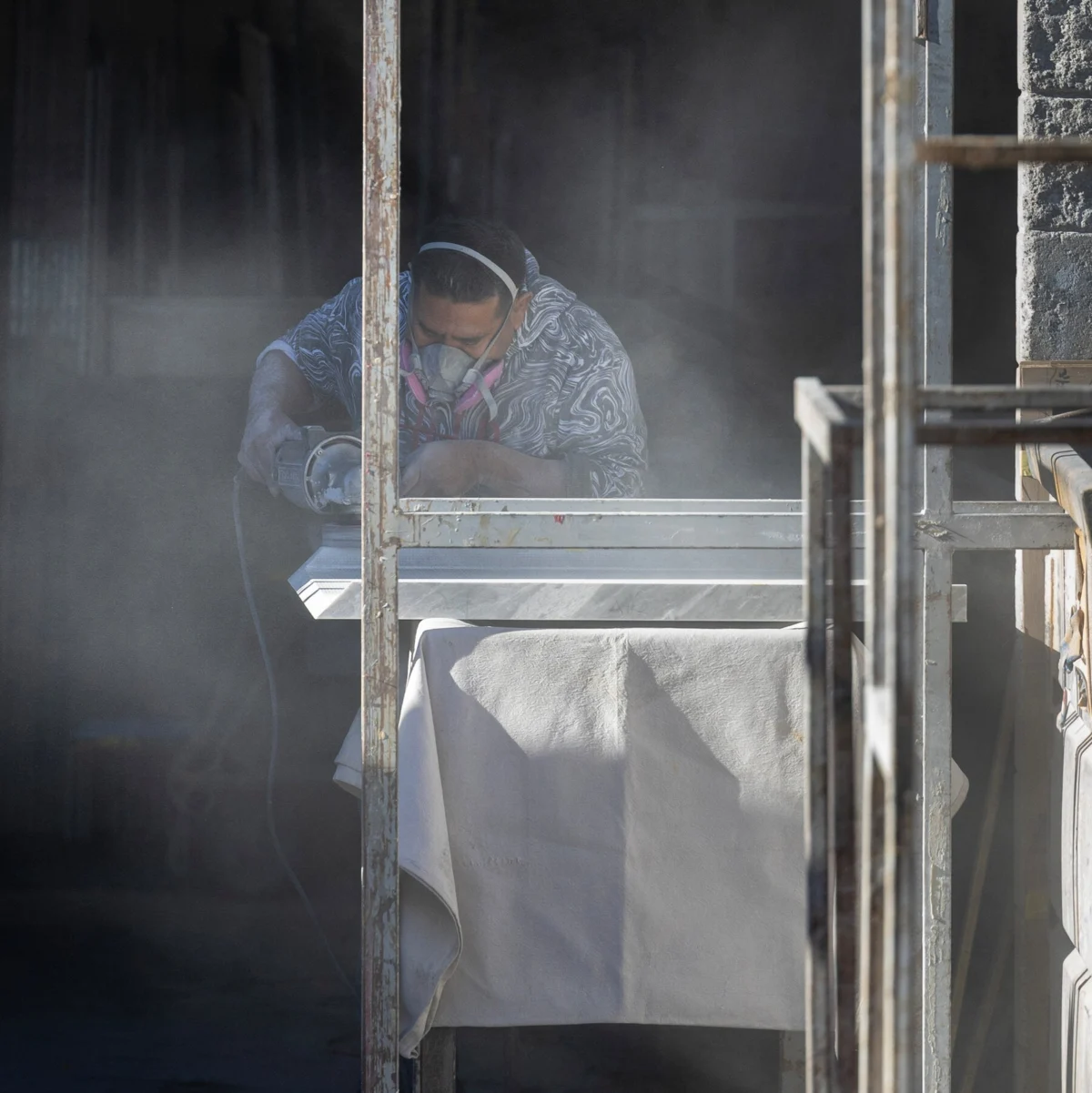
California’s potential quartz ban is pressuring contractors and retailers to find alternatives to materials that release hazardous dust linked to worker illness. Manufacturers and their customers are increasingly turning to products made without that dust, according to reporting from NYT > Business.
The shift highlights growing scrutiny over workplace safety risks tied to quartz cutting, a process used in countertop fabrication. While no law has been finalized, the possibility has already disrupted supply chains and sales practices across the industry.
Key Facts
- Potential California quartz ban under consideration for countertop materials.
- Contractors and retailers exploring alternatives due to health concerns.
- Quartz-cutting dust has reportedly sickened workers in fabrication shops.
- New materials avoid generating the hazardous clouds of dust.
Who Is Affected by This Shift?
Retailers, contractors, and consumers involved in home renovation and construction are all feeling the ripple effects of California’s potential move toward restricting quartz use. These groups rely heavily on engineered stone countertops, which are popular for their durability and aesthetic appeal. However, those same surfaces become dangerous when cut during installation, releasing fine particles that can cause severe lung conditions like silicosis.
Workers directly exposed to quartz dust — especially installers and fabricators — face the most immediate risk. But broader economic pressures impact suppliers and distributors too. As awareness grows around occupational hazards, demand for safer substitutes continues to climb.
The transition also reshapes consumer choices. Buyers now encounter expanded options including natural stones, solid surfaces, and other composites designed to minimize airborne particulates.
How Did We Get Here?
Health advocacy efforts have long raised alarms about the dangers of inhaling crystalline silica, a component found in many types of stone including quartz. In recent years, lawsuits and regulatory discussions intensified after reports linked routine exposure to chronic respiratory diseases among construction and manufacturing employees.
California lawmakers responded by proposing legislation aimed at limiting use of high-silica materials unless proper controls are applied. Though still pending formal approval, preliminary conversations have prompted businesses nationwide to reconsider sourcing strategies and invest in alternative technologies.
Industry analysts note that such changes could reshape market dynamics permanently, influencing everything from factory production lines to showroom displays. Whether other states follow suit remains uncertain.
What We Know — and What We Don’t
Verified by the source:
- A potential ban on quartz usage is being considered in California.
- Dust from quartz cutting has been associated with worker sickness reports.
- Manufacturers are developing alternatives without that harmful dust.
Still unconfirmed:
- Exact timeline or status of proposed legislation.
- Specific illnesses attributed to quartz dust exposure.
- Extent of retailer adoption rates for new materials.
Why It Matters
This story connects public health policy to everyday purchasing decisions. Even if only one state enforces stricter rules, ripple effects may influence national product availability and cost trends, affecting how consumers shop for home improvements.
What To Watch
Legislative developments in California will likely determine whether similar bans emerge elsewhere. Industry responses and further worker health disclosures remain key indicators of how quickly this issue evolves.