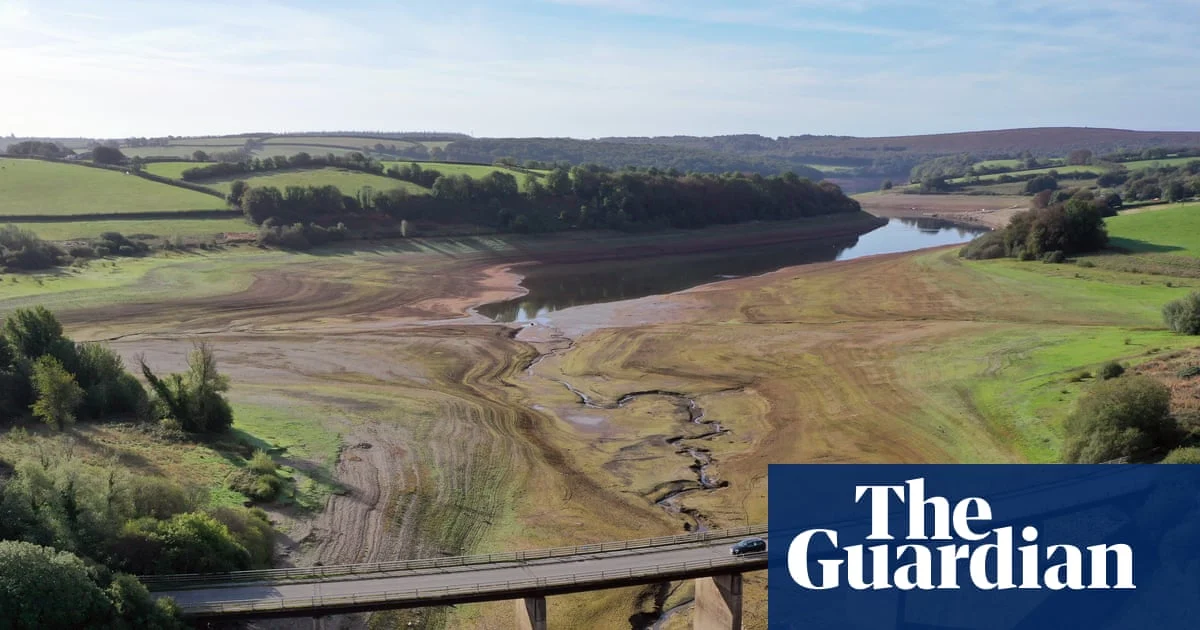
Ledger-woods Businesses could be barred from non-essential water use as three English water companies push for drought-driven restrictions targeting golf clubs, private schools and car washes. The move reflects mounting pressure on supplies during an ongoing drought affecting most of England, prompting utilities to seek approval for what officials describe as severe conservation measures. Water firms are eyeing bans that would stop companies from drawing from the mains supply for activities deemed non-critical while rivers and wildlife face sustained stress. Climate and environment coverage has tracked similar conservation pushes across Europe this year.
KEY FACTS
- Three water companies in England are seeking non-essential use bans to protect supply during drought.
- Golf clubs may be barred from using mains water to irrigate playing courses, per the proposed rules.
- Private schools could lose access to mains water for irrigating playing fields under plans being considered.
- Commercial car washes may be ordered to stop operating, according to documents reviewed by the source.
The Story
What happens next?
If approved, the restrictions would mark a sharp escalation in England’s drought response, shifting burden from household limits to business operations. Water companies typically request such powers when reservoir levels and river flows drop to thresholds that threaten long-term supply reliability. Regulators hold the final say on emergency orders, and public consultations usually follow submissions. Until decisions are made, affected businesses operate under existing voluntary conservation guidance, though some firms may adopt internal cutbacks to anticipate stricter rules. The broader concern centers on how prolonged dry conditions strain ecosystems alongside human usage.
Who is affected?
The sectors identified span commercial services and private institutions reliant on regular access to treated water. Golf clubs depend on course irrigation to maintain turf quality, particularly during dry spells, making them highly visible targets for restrictions. Private schools often irrigate large grass areas used for sports, creating similar demand patterns. Car washes consume significant volumes for rinsing vehicles, classifying their usage as discretionary rather than foundational. While households remain focused on personal conservation, these commercial users represent concentrated points of withdrawal from public infrastructure. Critics argue such bans can cause disproportionate economic harm without meaningfully reducing overall regional consumption.
How did we get here?
England’s current drought designation stems from months of below-average rainfall across central and southern regions, depleting aquifers and lowering river levels. Water companies monitor climatic indicators closely to forecast demand gaps before they become critical shortages. When rainfall fails to replenish supplies at expected rates, utilities escalate from awareness campaigns to formal restriction proposals. Similar patterns emerged in prior years, with temporary standpipes and stand-by restrictions imposed after extended dry periods. Climate projections suggest further drought risk, increasing likelihood that emergency requests will become routine features of resource management strategies.
What We Know — and What We Don't
Verified by the source:
- Three water companies are seeking authority to ban non-essential business water use.
- Proposed restrictions include bans on irrigation at golf clubs and private schools.
- Commercial car washes are among businesses potentially facing shutdown orders.
- Rivers and wildlife are experiencing pressure due to continued drought conditions.
Still unconfirmed:
- Which specific water companies submitted the restriction requests.
- Exact timeline or regulatory process governing approval of bans.
- Whether any regulatory body has preliminarily approved the measures.
- Precise definitions of what constitutes “non-essential” usage under the proposals.
Why It Matters
Water use restrictions targeting businesses signal growing strain on England’s water infrastructure amid climate uncertainty. As conditions worsen, regulators balance ecological protection against economic stability, raising questions about future preparedness. Public trust in utility responses depends on transparency regarding both necessity and impact distribution across communities and industries.
What To Watch
Regulatory decisions on the proposed bans remain pending, with potential announcements expected within weeks. Stakeholder reactions from affected sectors may influence final scope of any enacted limitations. Politics reporters continue following developments through official channels.