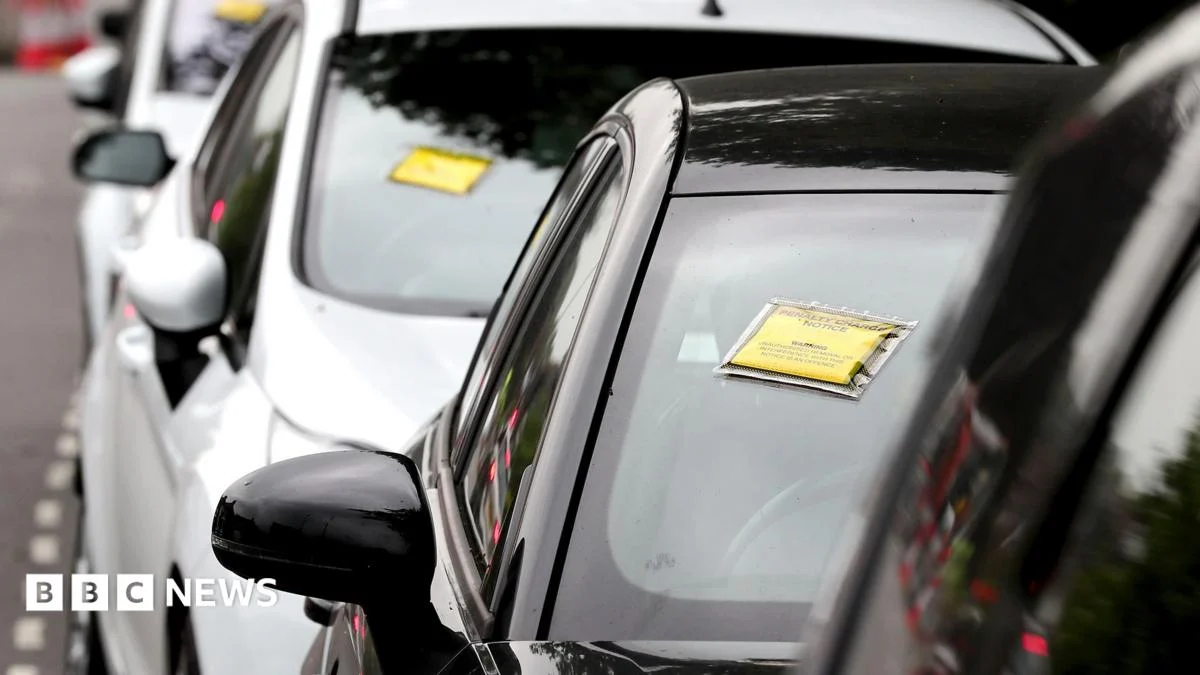
Greater Manchester Mayor Andy Burnham has pledged to eliminate ‘rip-off parking charges’ through upcoming changes to parking enforcement rules. The issue centers on penalties imposed on motorists who park on private land, with critics arguing that current fines are disproportionately harsh. Burnham’s vow comes amid rising public frustration over what many see as exploitative practices by private parking operators. This development reflects broader debates around fairness in parking enforcement and the balance of power between local authorities and private firms.
Key Facts:
- Mayor Andy Burnham vows to end ‘rip-off parking charges’ under new rules.
- Penalties target motorists parking on private land.
- Critics describe penalties as too harsh on drivers.
What Are the Proposed Changes?
The exact scope of the new rules remains unclear, but Burnham’s announcement signals a shift toward stricter oversight of private parking operators. These companies often impose significant fines for brief infractions, leading to accusations of profit-driven enforcement rather than traffic management. Under current arrangements, private firms issue penalty notices without direct involvement from public authorities, leaving limited recourse for affected motorists. Advocates argue that clearer limits on fines and enhanced appeal processes could reduce disputes and provide better protection for drivers. The forthcoming policy changes are expected to clarify how penalties are calculated and enforced, though specific mechanisms have not yet been detailed.
Who Is Affected by Current Parking Charges?
Drivers throughout Greater Manchester are impacted when parking on both public roads and private land. While public parking typically falls under council jurisdiction, private parking lots—including those at shopping centers, hospitals, and business parks—are governed by separate commercial rules. Motorists mistakenly entering these areas may face steep fines even for minor infractions such as overstaying allotted time. Campaigners highlight that vulnerable groups, including elderly drivers and visitors unfamiliar with local signage, are particularly at risk. Consumer advocacy organizations have long called for standardized pricing structures and mandatory disclosure of penalty terms before enforcement actions begin.
What Happens Next?
Details regarding implementation timelines and exact parameters of the proposed reforms remain unconfirmed. However, Burnham’s office is anticipated to release further guidance soon, potentially outlining consultations with stakeholders including parking operators, local councils, and driver representative bodies. Observers note similar initiatives elsewhere in the UK have faced legal challenges from private firms citing loss of revenue streams. Whether Manchester’s approach will include caps on maximum charges or simplified dispute resolution procedures is still uncertain. Legal experts suggest any modifications must comply with existing contract law governing private parking arrangements.
What We Know — And What We Don’t
Verified by the source:
- Andy Burnham has stated his intention to end “rip-off parking charges.”
- Penalties currently apply to individuals parking on private land.
- Critics consider these penalties excessively punitive.
Still unconfirmed:
- Timeline or formal rollout date for new regulations.
- Specific caps or thresholds for revised penalty amounts.
- Whether changes require parliamentary approval or only mayoral directive.
- Responses or reactions from private parking industry representatives.
Why It Matters
High-frequency parking violations can result in repeated financial burdens for ordinary commuters, especially those navigating urban zones daily. Addressing perceived inequities aligns with wider efforts to improve affordability and accessibility across transportation networks.
What To Watch
Future communications from the mayor’s office should elaborate on enforcement frameworks and stakeholder engagement plans. Public feedback periods may also shape final implementations.