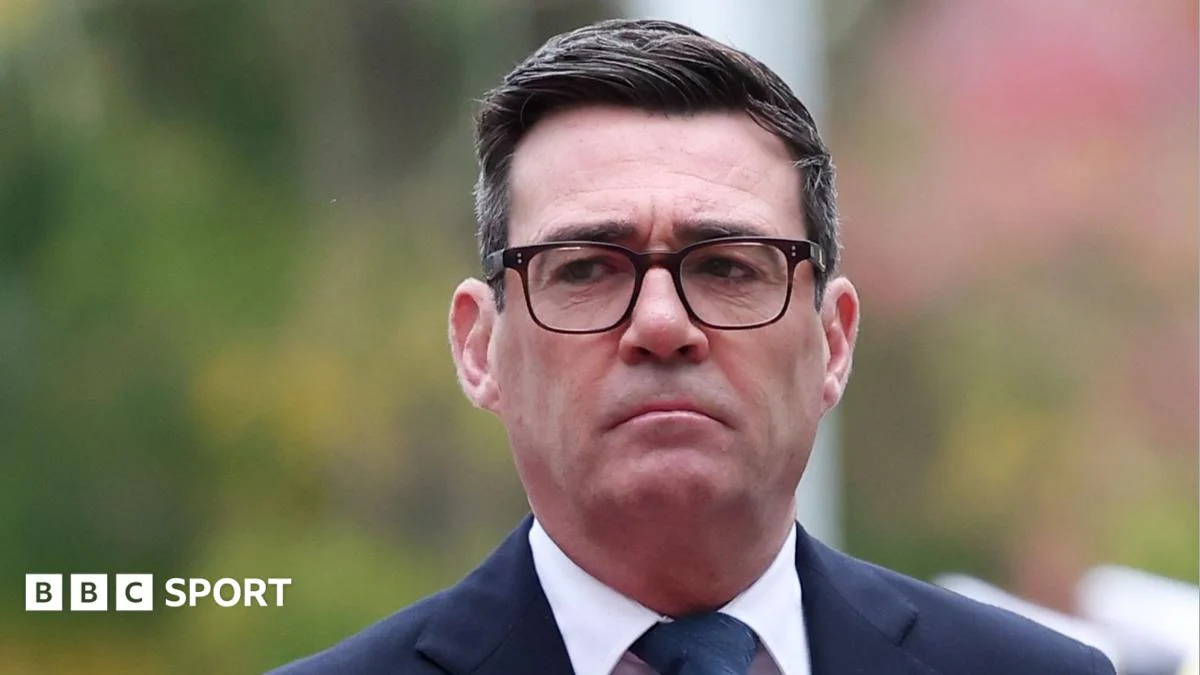
Andy Burnham will release details of meetings he had with Manchester City executives after the football club was found guilty of all charges related to breaches of the Premier League’s financial rules. The announcement comes amid growing criticism of Burnham’s public comments in the aftermath of the verdict, raising questions about transparency and accountability in discussions between political figures and major football clubs.
The situation follows a high-profile ruling against Manchester City, which has drawn intense scrutiny across English football. As calls mount for more clarity, Burnham’s decision to publish information about the Man City meetings underscores the ongoing tension between governance and commercial interests in the sport.
Key Facts
- Andy Burnham plans to release details of Man City meetings.
- Manchester City has been found guilty of all charges related to financial rule breaches.
- Burnham has faced criticism for his comments after the verdict.
- The case involves the Premier League’s financial regulations.
What Are the Man City Meetings About?
The Man City meetings in question appear to center around discussions between Andy Burnham and senior figures at Manchester City. While the precise nature of these conversations remains unclear, Burnham’s pledge to release details suggests they may contain information relevant to the ongoing fallout from the club’s breach of Premier League financial rules. Transparency advocates have long called for clearer boundaries between public officials and private entities, particularly when significant economic stakes are involved.
Burnham’s position as mayor places him at the intersection of civic governance and cultural influence. Manchester City’s global profile means interactions with city leadership often attract public interest. Critics argue that without full disclosure, such meetings risk eroding trust in local government oversight. Supporters, however, say releasing records serves the democratic principle of open dialogue between elected leaders and community stakeholders.
How Did We Get Here?
Manchester City was recently judged to have violated multiple provisions of the Premier League’s financial sustainability framework. The sanctions regime aims to ensure clubs operate within defined fiscal limits to maintain competitive balance. When the verdict was delivered, Andy Burnham made public statements that later drew censure from opposition groups and media commentators who questioned whether his remarks were appropriate given the pending appeals process.
Since then, scrutiny has intensified over whether Burnham engaged in premature or misleading commentary regarding Man City matters. His upcoming disclosure of meeting records is being viewed as an attempt to clarify his involvement and restore confidence among constituents concerned about the integrity of decision-making processes involving high-value assets like Premier League clubs.
What We Know — and What We Don’t
Verified by the source:
- Andy Burnham intends to release details of Man City meetings.
- Manchester City has been found guilty on all financial rule breach charges.
- Andy Burnham has received criticism for post-verdict comments.
Still unconfirmed:
- The exact topics discussed during the Man City meetings.
- The identity of individuals present at the meetings.
- Whether any formal action will follow the release of the details.
- The timeline for when the details will become public.
Why It Matters
This development touches on broader issues affecting modern democracy, where private interests and public authority increasingly intersect. How elected officials engage with powerful organizations — especially those under regulatory investigation — shapes perceptions of fairness and impartiality. For voters and fans alike, transparency in these exchanges helps safeguard both civic values and sporting integrity.
What To Watch
Once released, the details of the Man City meetings will likely prompt fresh analysis from political analysts and sports journalists. Observers should watch whether the disclosures address prior criticisms directly or open new lines of inquiry into governance practices across English football.