Lede
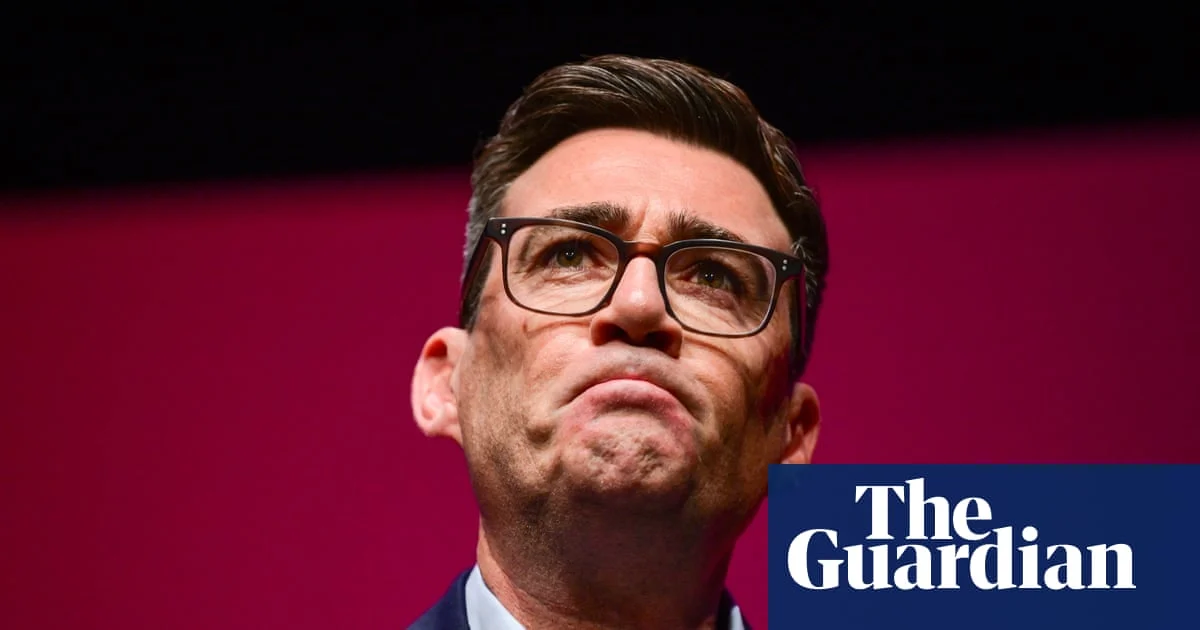
Andy Burnham has risked his political future by endorsing a sharply progressive platform that aims to reset British governance through reforms in social care, electoral systems, and the UK’s relationship with Europe. Speaking at Labour’s annual conference, Burnham acknowledged that adopting such a bold agenda could cost him politically, but argued it is necessary to help Britain ‘rise again’.
His speech signals a shift further left for the Labour Party, as he openly accepts that some promises may be difficult to deliver and admits he ‘may pay a political price’. Analysts see this moment as a pivotal test of whether voters will embrace long-shot reforms or retreat toward safer ground ahead of a potential general election.
Key Facts
- Burnham accepts parts of his plan may be difficult to implement.
- He warns he may face a political cost for advancing progressive policies.
- Speech delivered at Labour’s conference outlining next manifesto steps.
- Policies target social care, electoral reform, and UK-Europe ties.
- Aims to break the mold of the past 40 years in British politics.
The Story
Why This Moment Matters
At a time of mounting public concern over inequality, aging infrastructure, and post-Brexit realignment, Burnham’s call for a ‘long-term relationship with Europe’ positions him among party members leaning toward deeper regional integration. His speech comes amid debates within Labour about how aggressively to pursue institutional reform. While previous leaders avoided explicit stances on Europe, Burnham framed renewed engagement as part of a broader renewal project.
The emphasis on social care reflects rising pressures from an aging population and stretched public services. Electoral reform proposals suggest ambitions beyond traditional Labour messaging, signaling openness to reshaping democratic structures if given the chance. These positions align with grassroots momentum calling for transformative rather than incremental change.
What Happens Next?
Burnham indicated that his conference remarks were meant to shape Labour’s upcoming general election manifesto. However, no timeline was provided for when those commitments would translate into formal policy. Observers expect internal party discussions to intensify during the coming months, particularly around balancing ambition with electability concerns.
Party insiders note that while enthusiasm exists among activists, caution remains among moderate MPs who worry about voter readiness for sweeping shifts. Whether Burnham’s gamble pays off will depend largely on how effectively Labour can communicate complex ideas like proportional representation or new care funding models without alienating middle-class swing voters.
Who Is Affected?
Millions of citizens stand to be impacted by potential changes in pension-linked social care schemes, hospital funding levels, and voting procedures across England and Wales. Younger generations might benefit from updated civic engagement tools if electoral reforms proceed, though older adults may resist alterations to familiar systems.
European partners watching these speeches carefully include officials from Germany and France, where similar conversations about digital democracy and cross-border cooperation are underway. Though direct negotiations aren’t imminent, symbolic gestures toward EU outreach carry weight in shaping future diplomatic tones—even outside formal treaty processes.
What We Know — and What We Don’t
Verified by the source:
- Burnham spoke at Labour’s conference about building the next general election manifesto.
- Promises include reforms to social care, electoral rules, and Europe policy.
- He said his agenda aims to break the mold of the last 40 years.
- Burnham admitted some plans might be hard to deliver.
- He acknowledged possibly facing a political price for his stance.
Still unconfirmed:
- No specific implementation timelines have been announced.
- Exact wording of any proposed legislation is not yet public.
- Internal Labour Party reactions remain largely private.
- Support levels among undecided voters are unknown.
- It is unclear whether other senior figures endorsed every point.
Why It Matters
In an era marked by global uncertainty and shifting allegiances, Burnham’s push for a progressive vision represents one pathway for revitalizing stagnating institutions. Whether his approach resonates beyond party circles hinges on how well Labour translates idealistic pledges into practical benefits visible to everyday constituents. As economic pressures grow globally, so too does demand for bold responses—even risky ones.
What To Watch
Party leadership meetings scheduled later this year could clarify whether Burnham’s progressive agenda becomes official Labour doctrine or gets watered down under pressure. Additional speeches from other contenders should reveal whether this represents a lasting trend or temporary positioning ahead of elections.
Meta Description
Andy Burnham staked his future on a radical progressive agenda targeting social care, electoral reform, and closer EU ties, warning it may come at a political cost.