Lede
UK ministers are working to rebuild strained relationships with farming communities after tax changes introduced this year soured relations, with officials holding talks aimed at restoring confidence.
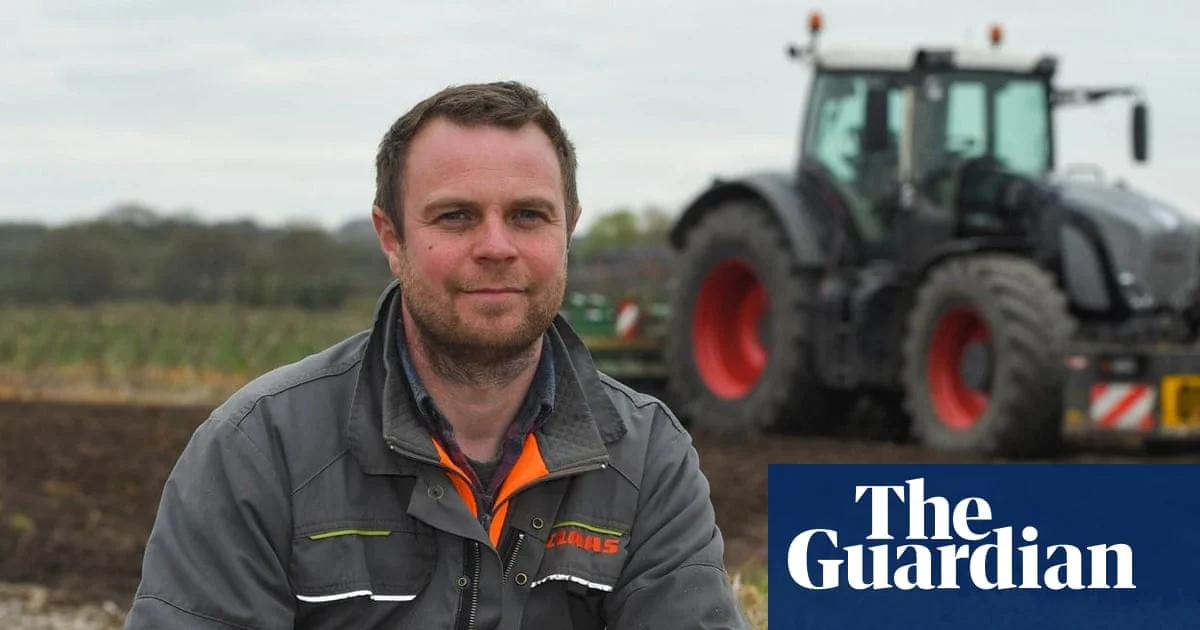
As an arable farmer, Olly Harrison’s WhatsApp messages are normally concerned with the more mundane matters of working the land: logistics, supplies and the occasional chat about the weather. So when a recent message came through from Andy Burnham, it was more than a little unexpected. Explore our economy and markets coverage for context on how these shifts affect rural communities.
Key Facts
- Officials have been speaking to farming activists to try to build bridges.
- Relations with farmers were soured by tax changes introduced under Starmer.
- The aim is to ‘build back trust’ with farming communities.
- Andy Burnham sent a message to arable farmer Olly Harrison.
- The outreach targets rural links across the region.
Why the Outreach Now
The recent outreach follows months of growing frustration among farming groups over new fiscal policies announced earlier in the year. While specific tax measures remain under scrutiny, government sources confirm that dialogue has resumed with several representative bodies to explore pathways forward. Officials describe these conversations as proactive steps toward stabilization, rather than reactive damage control.
Farmers have expressed concern about rising input costs and regulatory pressures, which many say have made planning difficult. By engaging directly with activists and local leaders, ministers hope to address practical concerns without committing to formal policy reversals. The emphasis appears to be on listening first, with no immediate announcements expected.
How Did We Get Here?
Earlier this year, tax reforms introduced under Starmer sparked backlash from agricultural sectors nationwide. Though details vary by region, common complaints include shifts in land-use taxation and subsidies that some argue favor larger operations disproportionately. These tensions prompted informal discussions between ministries and industry representatives throughout late spring and summer. Read more political developments shaping current debates.
While most interactions have occurred behind closed doors, occasional public acknowledgments suggest both sides recognize mutual stakes. Ministers insist there is room for adjustment within existing frameworks, while farmers continue advocating for transparency and targeted relief. This dynamic reflects broader national conversations around equity and sustainability in rural economics.
What Happens Next?
Government insiders indicate that further engagement rounds are planned over the coming weeks, though timing remains fluid. No binding agreements or legislative amendments have been disclosed publicly yet, leaving stakeholders uncertain about tangible outcomes. Observers note that momentum may hinge on whether substantive proposals emerge from closed-door sessions or stay confined to preliminary feedback loops.
What We Know — and What We Don’t
Verified by the source: Officials actively spoke to farming activists post-tax reform introduction; goal cited as rebuilding trust; recipient described as arable farmer named Olly Harrison; sender identified as Andy Burnham; summary confirms intent via phrase ‘build back trust.’
Still unconfirmed: Specific tax changes referenced; exact nature of concessions discussed; identities of other officials involved; precise dates or locations of meetings; whether any formal commitments were made.
Why It Matters
Agriculture plays a vital role in the national economy, contributing significantly to employment and export revenues. When trust erodes between rural producers and policymakers, ripple effects can influence food security, regional development, and long-term economic resilience. Reconnecting with farming communities isn’t just symbolic—it’s foundational to maintaining stable supply chains and inclusive growth strategies.
What To Watch
Middleton stated that no final decision will be reached until at least mid-March, with additional consultation rounds scheduled monthly until then. Stakeholders should monitor official statements for updates on potential adjustments to proposed rules affecting rural livelihoods.
This article originally appeared in Business | The Guardian.