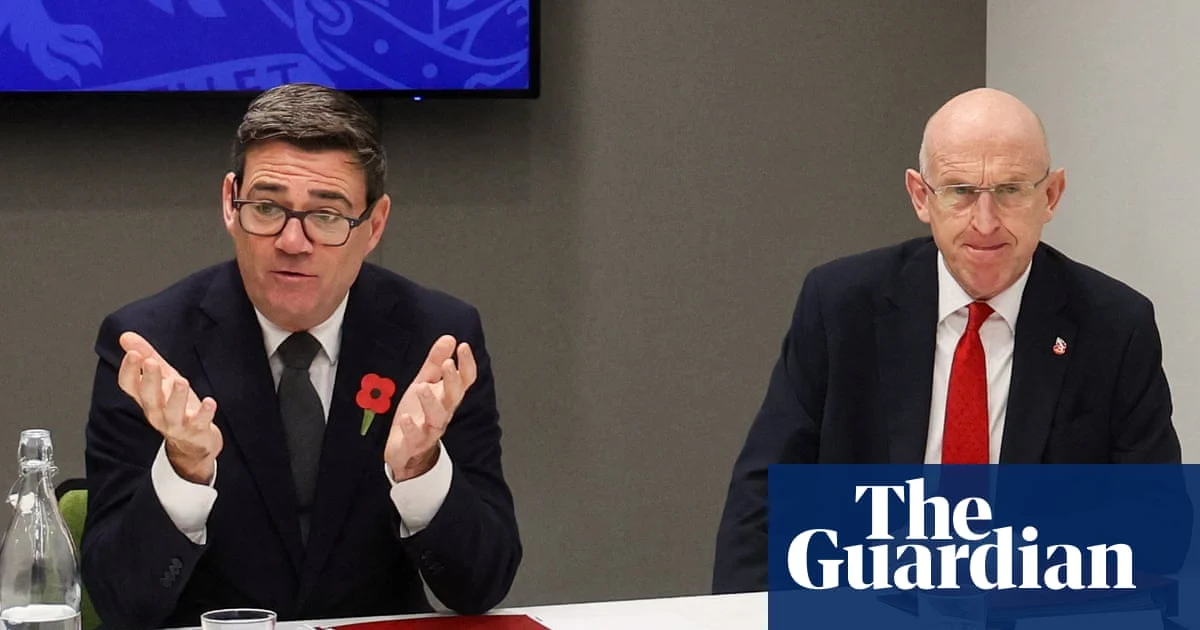
LONDON — Andy Burnham admitted his first budget as prime minister was not as radical as he would have preferred, citing economic uncertainty and external geopolitical pressures that limited policy options.
Burnham stated he would have liked to go further with energy support payments and other measures announced this week, but felt constrained by broader challenges.
Key Facts
- Andy Burnham admitted his first budget was less radical than desired.
- He cited economic uncertainty as limiting his room for manoeuvre.
- Burnham referenced the war in Iran as pushing up borrowing costs.
- He expressed interest in expanding energy support payments further.
- Labour’s 2024 manifesto also played a role in shaping fiscal decisions.
What Limited the First Budget?
In a statement summarised by Business | The Guardian, Burnham explained that while he aimed to deliver transformative change in his first budget, external shocks significantly narrowed the scope for bold action. He noted that rising borrowing costs, partly driven by the war in Iran, made expansive public spending politically and economically difficult.
The war in Iran has disrupted global markets, contributing to inflationary pressures that influenced domestic fiscal strategy. Burnham indicated that these conditions forced tough trade-offs between ambition and affordability.
He also referenced Labour’s 2024 manifesto commitments, suggesting that legacy promises had to be weighed against current realities, particularly when balancing public investment with responsible stewardship of public finances.
How Did We Get Here?
Burnham took office amid growing concerns over energy costs and social welfare demands. His government sought to address longstanding inequities through targeted interventions such as expanded energy support payments, which were seen as critical to cushioning households from soaring utility bills.
However, implementing large-scale reforms proved challenging. With public debt already elevated and borrowing expensive, Burnham faced pressure to maintain fiscal discipline even as calls grew for urgent relief measures. This tension shaped the final form of the first budget.
Despite criticism from within his own party for not doing enough, Burnham defended the choices made. He emphasised the need for sustainable policy over short-term popularity, though some supporters remain disappointed with the perceived lack of ambition in key areas like housing and healthcare funding.
Who Is Affected by These Budget Measures?
Low-income families and vulnerable communities have been disproportionately impacted by rising living costs. The energy support payments introduced in the first budget aim to alleviate some of that burden, though critics argue they fall short of addressing deeper systemic inequalities.
Small businesses and local councils have also felt the strain. Reduced fiscal flexibility means fewer resources available for regional development projects or infrastructure improvements tied to Labour’s broader agenda. Burnham acknowledged these limitations but pledged continued efforts within remaining constraints.
Young people entering the job market face uncertainty too. While student loan adjustments offered modest relief, many graduates continue struggling under high repayment burdens. Future budgets may revisit these issues if economic conditions stabilise.
What We Know — and What We Don’t
Verified by the source:
- Burnham wanted a more radical first budget than delivered.
- External events including war in Iran affected borrowing costs.
- Labour’s 2024 manifesto influenced policy scope.
- Energy support payments were considered for expansion.
Still unconfirmed:
- Exact figures on how much additional spending was proposed.
- Internal Labour disagreements regarding budget priorities.
- Timeline for revisiting unmet policy goals post-budget.
Why It Matters
This admission reflects a recurring dilemma for governments worldwide: balancing ambitious reform with fiscal prudence during turbulent times. For UK citizens grappling with rising costs, the stakes are real—even if incremental progress feels slower than hoped.
What To Watch
Observers will watch upcoming parliamentary sessions for signals on whether Burnham plans to reintroduce bolder measures in future fiscal statements. Updates to international conflict zones and inflation trends could reshape the landscape ahead of next year’s full spending review.
Meta description: Andy Burnham admitted his first budget was less radical than desired due to economic uncertainty and external crises like the war in Iran, limiting energy support expansions and Labour manifesto goals.