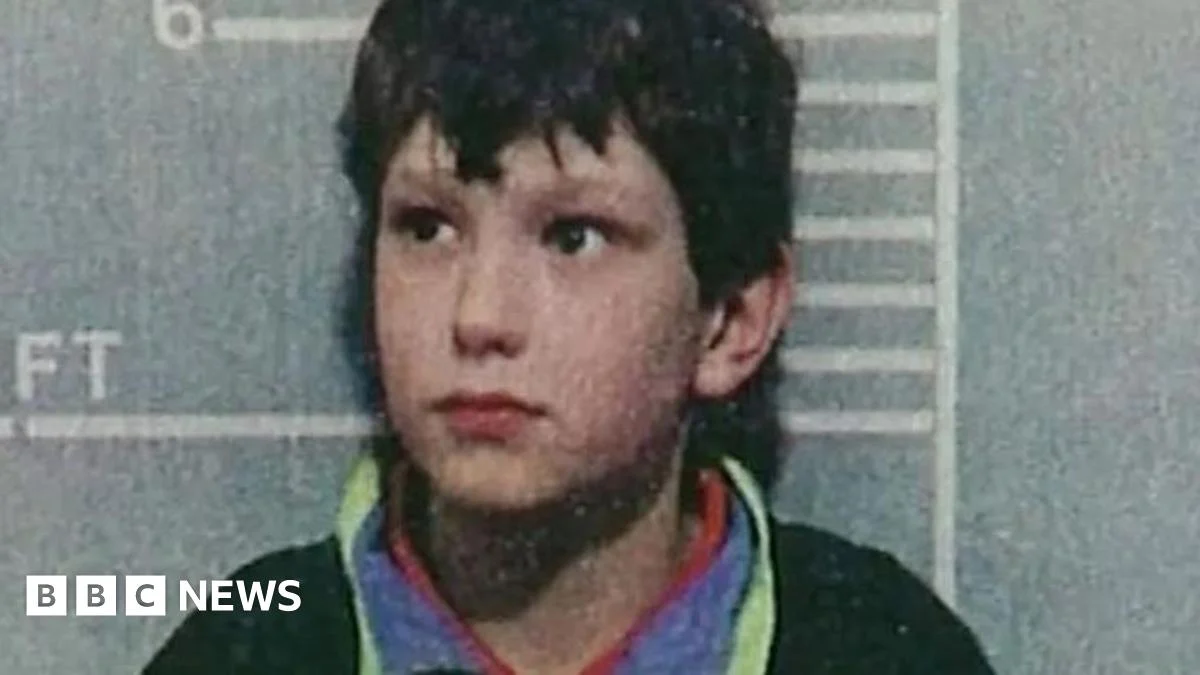
A parole hearing for one of the men convicted in the 1993 James Bulger case will be held in private. The decision follows a public campaign by Denise Fergus, the victim’s mother, who had called for transparency. The hearing concerns an offender whose release has been a point of ongoing public debate.
Denise Fergus had publicly demanded that the upcoming parole hearing take place in public view. Her request was reported by BBC News, which stated that the hearing will instead proceed behind closed doors. The identity of the individual subject to the parole review has not been disclosed in the provided summary, but the case relates to the landmark 1993 murder of two-year-old James Bulger.
KEY FACTS
- A parole hearing will be held in private.
- James Bulger’s mother Denise Fergus requested a public hearing.
- BBC News reported the hearing will not be open to the public.
Why a closed-door parole hearing?
Legal guidelines in the UK typically restrict public access to parole hearings involving offenders, particularly those with significant public profile or ongoing risk assessments. The exact reasoning behind sealing this particular hearing was not detailed in the source summary. However, such decisions often aim to protect the safety of individuals involved or to comply with privacy laws governing convicted persons.
The case itself stems from the tragic 1993 abduction and murder of James Bulger, one of the most widely covered crimes in modern British history. Two boys were convicted of the killing and later released under anonymity orders. Any decision regarding their potential release on licence is treated with heightened sensitivity due to public interest and safety considerations.
What happens next?
The timing and outcome of the private parole hearing remain unclear based on the available information. Typically, parole boards assess whether an individual meets criteria for conditional release after serving a portion of their sentence. If released, strict monitoring conditions apply, including potential residence restrictions and electronic tagging. Families of victims are sometimes notified of outcomes but do not participate directly in the process.
In high-profile cases like this, media coverage tends to intensify ahead of major legal milestones. Advocacy groups and legal experts often weigh in on whether transparency should override privacy protections. For Denise Fergus and other members of the public concerned about accountability, a closed hearing may feel insufficient. For defenders of rehabilitation-focused justice, restricting access can help preserve dignity and reduce reoffending risks.
WHAT WE KNOW — AND WHAT WE DON’T
Verified by the source:
- A parole hearing is scheduled to occur in private.
- Denise Fergus requested that the hearing be held in public.
- BBC News is the source reporting these facts.
- The exact date and location of the hearing.
- The name or current status of the individual involved.
- Reasons provided by authorities for choosing privacy.
- Any anticipated decision timeline from the parole board.
Still unconfirmed:
WHY IT MATTERS
Parole decisions tied to the James Bulger case carry deep resonance for public discourse around crime, punishment, and transparency. Balancing victim-led calls for openness with legal norms protecting offender privacy remains a persistent challenge for courts and policymakers alike.
WHAT TO WATCH
Further updates depend on official statements from the parole board or continued reporting by outlets such as BBC News. Interested readers can follow related developments through categories covering politics and health and science.