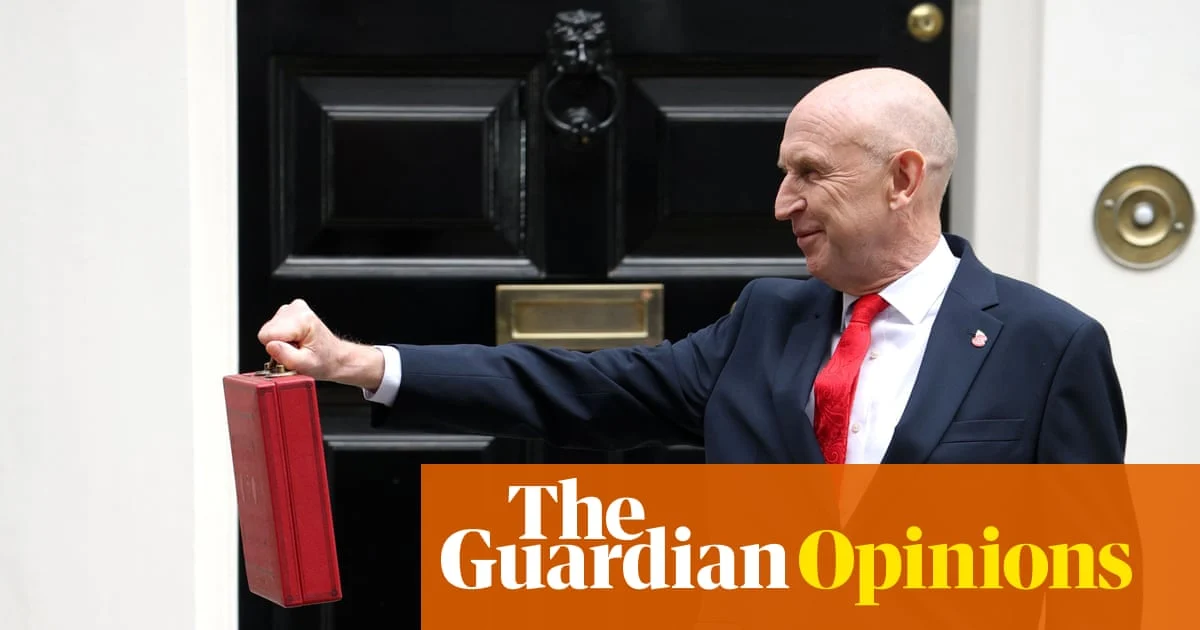
In his maiden Budget announcement, the chancellor delivered a cautious 98-point plan that prioritized stability over dramatic change, reinforcing perceptions of a risk-averse fiscal strategy. The speech, described as devoid of levity, signaled continuity rather than transformation, offering little in the way of sweeping policy shifts. For critics and supporters alike, the approach reflected an effort to avoid causing unintended economic disruptions, particularly after years of turbulent fiscal decisions.
Key Facts
- The chancellor unveiled a total of 98 measures in the Budget 2026 speech.
- The tone of the speech was described as comedy-free and somber.
- The overall approach was interpreted as aiming to do no harm.
- Commentary compared the chancellor’s demeanor to that of a grim figure rather than a reassuring leader.
- The Budget received mixed reactions, with some viewing it as a missed opportunity for bold reform.
What the Budget Actually Said
The Budget 2026 speech contained no major spending spree or radical restructuring of public services. Instead, the chancellor focused on incremental adjustments, ensuring that existing programs remained intact without introducing significant new expenditures. Analysts noted that the cautious tone aligned with broader economic uncertainty and the need for fiscal prudence. The absence of bold directives was seen by some as a strategic retreat from controversy, prioritizing political stability over ambitious economic maneuvering.
Reaction and Political Implications
Opposition figures responded with muted criticism, suggesting that the Budget lacked vision during a time of pressing national challenges. Meanwhile, supporters argued that the no-harm philosophy was a prudent response to global economic headwinds and domestic financial constraints. The chancellor’s dour delivery style became a point of discussion, with commentators drawing unfavorable comparisons to past leaders known for their lack of charisma. Still, the central message—that avoiding major disruptions was the priority—remained consistent throughout the proceedings.
What We Know — and What We Don’t
Verified by the source:
- The Budget included exactly 98 separate measures.
- The chancellor’s public speaking style was widely characterized as dour or grim.
- The prevailing theme of the Budget was to refrain from implementing policies that could cause economic harm.
- Reactions to the speech were mixed among political observers.
- Specific details about individual budget line items or their projected impacts.
- Whether any major policy announcements were deliberately omitted.
- Official responses from government departments or Treasury officials.
- Long-term economic forecasts tied directly to these budget measures.
Still unconfirmed:
Why It Matters
A Budget rooted in restraint sends a clear signal about the current government’s economic philosophy and tolerance for risk. At a time when public expectations for decisive action remain high, opting for minimal intervention may resonate with those wary of fiscal recklessness—but it also invites scrutiny from those seeking transformative leadership.
What To Watch
Further parliamentary debates and committee reviews may shed light on whether the cautious tone of Budget 2026 persists through upcoming legislative cycles. Economy & Markets and Politics sections will continue tracking related developments.