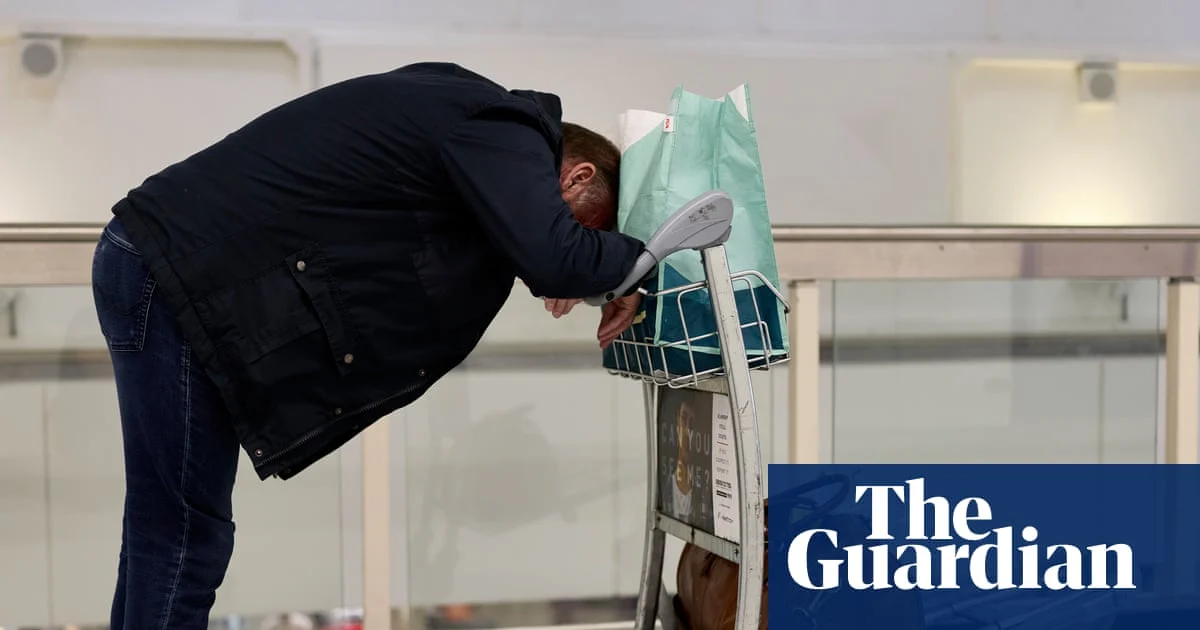
At Heathrow Airport, a British man arrived with two bags and nowhere to live, after being deported from Sweden following a years-long legal fight tied to Brexit. The 65-year-old former business director was separated from his Swedish wife and home, underscoring the personal toll of post-Brexit immigration rules.
His removal marks the conclusion of a five-year effort to remain in Sweden, reflecting how new residency systems now govern cross-border relationships between the UK and EU. The case illustrates evolving enforcement of immigration law affecting binational families.
KEY FACTS
- British man deported from Sweden after a five-year legal battle over residency.
- He arrived at Heathrow with only two bags and no fixed address in the UK.
- He was separated from his Swedish wife and home due to immigration policy changes.
- The man was visibly distressed, sobbing at a baggage trolley upon arrival.
- The outcome is linked to Brexit and Sweden’s strict immigration policies.
What Led to the Deportation?
The British man had lived in Sweden for years before Brexit finalized the UK’s exit from EU legal frameworks. Post-Brexit residency systems required non-EU nationals, including Britons, to apply under stricter conditions. Sweden implemented a hardline stance on immigration, limiting pathways for long-term residents without permanent status.
His five-year legal fight likely centered on securing residency through family ties. Despite emotional attachment and personal connections, immigration authorities enforced removal after his applications were denied or exhausted. The case reflects how policy shifts override individual circumstances in deportation proceedings.
Upon arrival at Heathrow, the man had no support system or housing in the UK, raising questions about government assistance for returning citizens. His situation also highlights broader impacts on binational couples navigating complex legal transitions across borders.
Who Is Affected by These Rules?
Brexit altered the legal status of approximately 1.2 million UK citizens living in the EU, and EU citizens residing in the UK. Those who failed to secure settled status under new regimes risk losing residency rights. In Sweden, thousands of Britons were required to reapply under revised immigration laws.
Sweden’s immigration policy emphasizes self-sufficiency, meaning individuals without stable income or permanent employment may face removal. Family unity, while protected in theory, depends on documentation and adherence to procedural requirements. Cases like this reveal gaps between policy intent and human outcomes.
Binational families often struggle with paperwork, language barriers, and jurisdictional differences. Legal representation is frequently inaccessible, leading to unresolved claims and enforced departures. This man’s story reflects systemic challenges faced by many navigating post-Brexit Europe.
What We Know — and What We Don’t
Verified by the source:
- The man was deported from Sweden and arrived at Heathrow with two bags.
- He was separated from his Swedish wife and home.
- His removal followed a five-year legal process related to Brexit.
- Sweden’s immigration position contributed to the final decision.
- He appeared emotionally distressed upon arrival at the airport.
Still unconfirmed:
- Exact date and time of deportation flight.
- Specific reasons for denial of residency applications.
- Identity or name of the individual involved.
- Details about housing or support offered upon return.
- Wider data on similar cases involving British-Swedish couples.
Why It Matters
This case demonstrates how political decisions like Brexit can reshape personal lives through administrative mechanisms. As countries tighten immigration controls, longstanding residents may lose stability despite deep local roots. It raises ethical questions about proportionality and compassion in enforcement.
What To Watch
Citizens’ rights advocates are monitoring similar deportation cases involving UK nationals in Sweden and other EU states. Government responses regarding returnee support and family reunification remain under scrutiny.
The broader implications of this Brexit deportation case will continue to influence diplomatic discussions on mobility and residency rights between the UK and EU.
Brexit deportation case