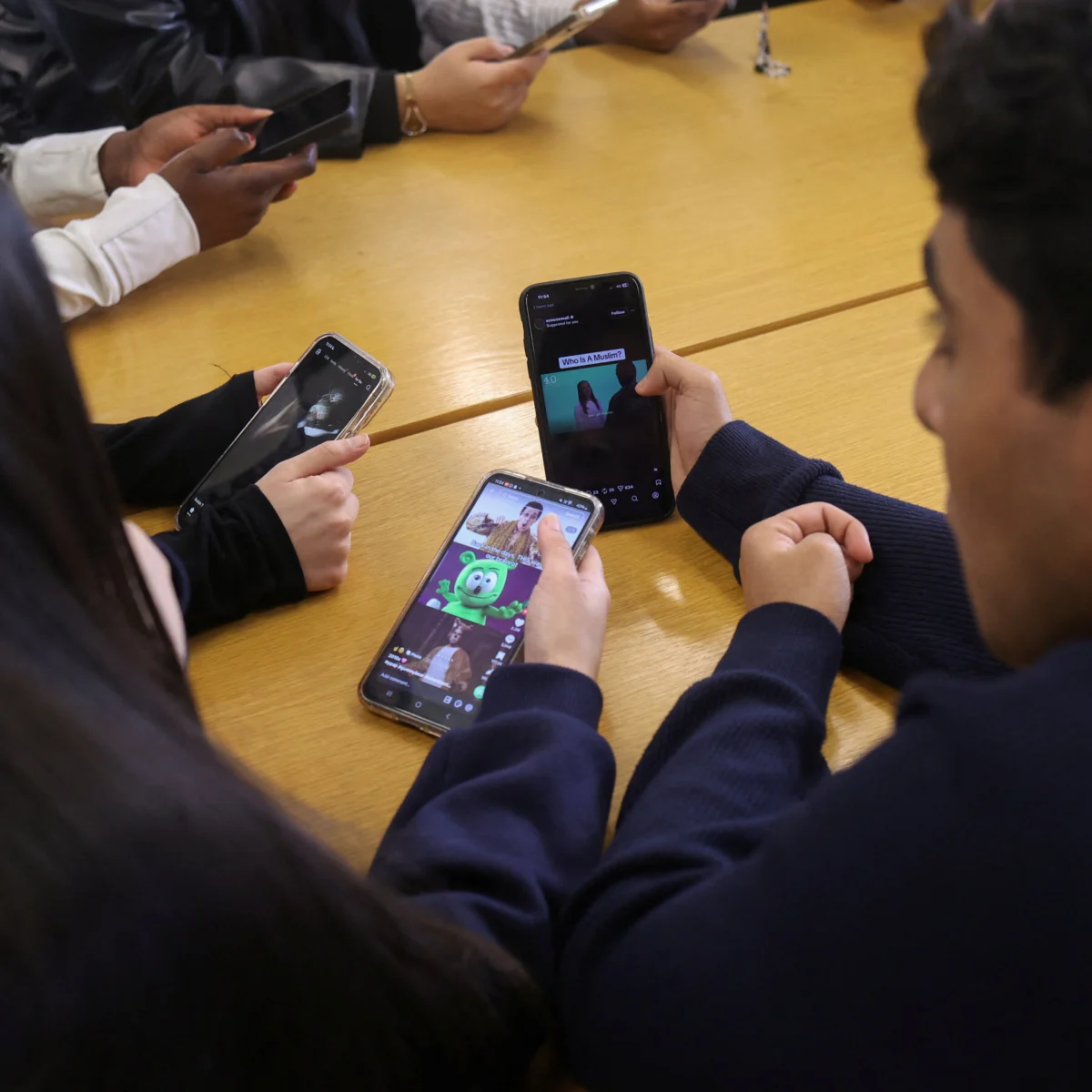
By 2027, any British child under 16 will be legally barred from using mainstream social‑media platforms, according to Prime Minister Keir Starmer’s announcement on June 15, 2026.
The policy, unveiled at a press conference outside 10 Downing Street, follows Australia’s 2024 “Online Safety Amendment” and similar steps taken in Canada and the Netherlands.
What the ban actually entails
Platforms such as Instagram, TikTok, Snapchat and X will be required to block accounts flagged as belonging to anyone under the age of 16. Enforcement will rely on age‑verification technology that companies must integrate by March 2027, with penalties of up to £10 million for non‑compliance.
Starmer said the move targets “the mental‑health crisis gripping our youth,” citing a 2025 Office for National Statistics (ONS) report that found 27% of 12‑ to 15‑year‑olds reported anxiety linked to social‑media use.
Why does this matter?
Parents, teachers and tech firms will all feel the impact. A recent technology and AI analysis estimated that UK teenagers spend an average of 3.4 hours per day scrolling feeds, a figure comparable to the Australian average that precipitated that nation’s ban.
For families, the rule could mean a dramatic shift in after‑school routines, while schools may see a drop in cyber‑bullying incidents. Economically, the economy and markets sector warns of short‑term revenue loss for ad‑heavy platforms, offset by a potential rise in privacy‑focused services.
Who is affected?
All UK residents under 16, regardless of citizenship, will be covered. The law also extends to “temporary visitors” – tourists and exchange students – if they create an account on a UK‑registered platform.
Digital‑rights groups argue the policy could push children toward unregulated apps or VPNs, undermining the intended protection.
What happens next?
Parliament will debate the draft bill in the autumn session. If passed, tech companies must begin rolling out verification tools by early 2027, with a six‑month grace period for compliance checks.
Industry bodies have already begun drafting technical standards, and several schools are piloting “offline afternoons” to prepare students for a less‑connected environment.
Critics say the ban skirts the line between public health and paternalistic control, but supporters contend that the digital landscape has evolved faster than legislation.
As the UK prepares to become the first major European power to outlaw teen social media, the world watches: will this bold experiment curb online harm, or simply drive it underground? The next few months will reveal whether the social media ban reshapes youth culture or fuels a new wave of digital rebellion.