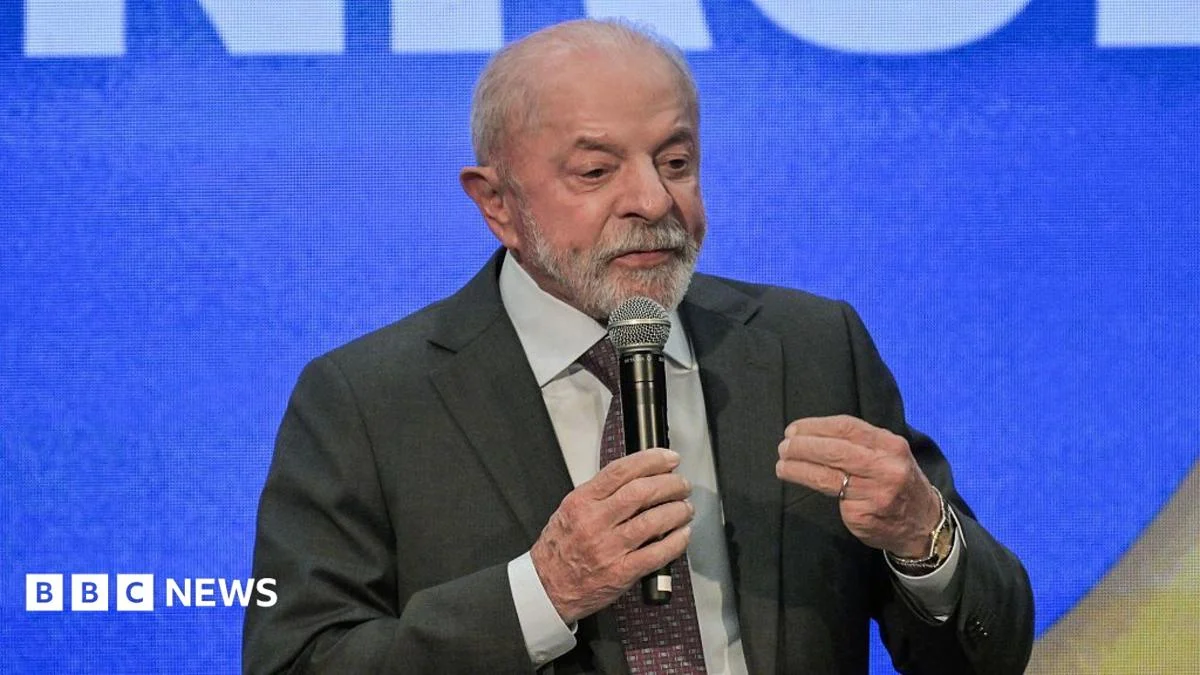
BRASILIA — Brazilian President Luiz Inácio Lula da Silva has moved to ban online gambling in the country, a decision announced as he faces a tight reelection bid against former President Jair Bolsonaro’s son,Flávio Bolsonaro. In a statement, Lula described the online gambling industry as a “cancer” that must be removed from Brazilian society.
The ban comes as Brazil approaches its presidential election, where the competition between Lula and Bolsonaro has grown increasingly close. Lula’s stance on online gambling reflects broader concerns about the industry’s social and economic impact. While supporters say it protects vulnerable populations, critics argue it limits personal freedoms and economic opportunities.
Key Facts
- Lula has banned online gambling ahead of Brazil’s presidential election.
- Lula is running in a tight race against Flávio Bolsonaro.
- Lula called online gambling a “cancer” he must “remove”.
- The decision targets the online gambling industry.
- The move occurs as election tensions grow in Brazil.
The Political Context
Lula’s decision cannot be separated from the ongoing electoral landscape in Brazil. His opponent, Flávio Bolsonaro, represents a different political lineage, and both candidates are appealing to voters who are increasingly concerned about morality, public order, and economic reform.
The timing of the ban — just before an election — raises questions about whether this is a policy driven by principle or political necessity. Lula’s characterization of online gambling as a “cancer” suggests a moral framing, one that resonates with conservative voters who view gambling as socially destructive.
What Does the Ban Cover?
The ban specifically targets online gambling platforms, though details regarding enforcement and exceptions remain unclear. It is not yet known whether physical casinos or state lotteries will be affected by this decree.
This decision places Brazil in line with several Latin American countries that have historically restricted or banned gambling in various forms. Regional comparisons include neighboring countries where religious and cultural values significantly influence gambling policies.
Who Is Affected?
The ban will primarily affect operators of online gambling sites, many of which may have been operating under regulatory gray zones. International platforms that serve Brazilian users could also face access restrictions.
Workers in the digital entertainment and payment processing sectors may see indirect impacts as well. The financial implications extend beyond immediate job losses, potentially affecting tax revenues that governments use for public services.
What Happens Next?
Details surrounding the implementation timeline and legal framework remain unclear. Opposition leaders have signaled potential legal challenges, arguing the ban could infringe on individual rights or lack proper legislative support.
If challenged successfully, parts of the ban may be suspended or overturned by the judiciary. Citizens and advocacy groups are expected to weigh in as the policy takes shape through bureaucratic channels.
What We Know — and What We Don’t
Verified by the source:
- President Lula announced a ban on online gambling.
- Lula referred to online gambling as a “cancer.”
- The announcement occurred ahead of a presidential election.
- He is competing against Flávio Bolsonaro.
- The industry was the target of the ban.
Still unconfirmed:
- The exact date of the decree or its effective start date.
- Whether any exceptions exist for licensed domestic operators.
- Details about enforcement mechanisms or penalties.
- Statements from Flávio Bolsonaro or other political figures.
- Projected economic losses or job impacts from the ban.
Why It Matters
As digital economies expand globally, governments face mounting pressure to regulate emerging industries like online gambling. Brazil’s move reflects a wider debate over balancing regulation, public morals, and economic freedom.
In an era where internet access is nearly universal in urban areas, such bans test the limits of governmental control over cyberspace. The outcome of Lula’s policy may influence regional trends across Latin America and beyond.
What To Watch
Legal experts anticipate possible court challenges that could delay or modify the ban. How Brazil’s judiciary responds will likely determine whether similar measures gain traction elsewhere.
Meanwhile, voters will be watching closely as election day approaches — with just days left until polling begins nationwide.