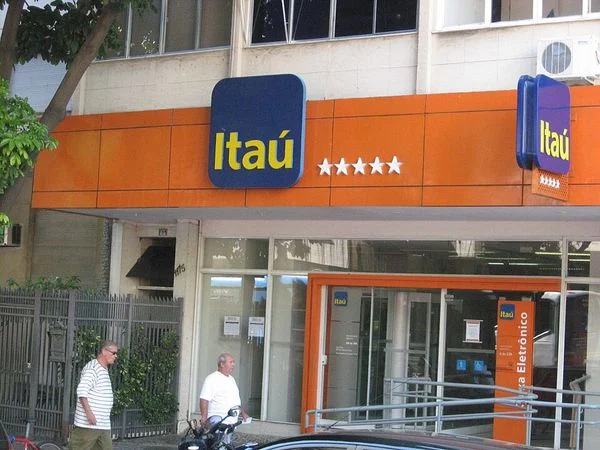
Brazil’s largest lender, Itaú Unibanco, has become the first bank to formally register its crypto brokerage operations with the central bank, according to a report by CoinDesk. The bank submitted notification of its crypto trading and custody services on Tuesday, ahead of an Oct. 30 deadline tied to new regulatory requirements for digital asset providers.
This move reflects the growing integration of cryptocurrencies into traditional finance in Latin America’s largest economy. Under the new rules, institutions offering crypto-related services must formally register with Brazil’s central bank, bringing greater oversight to a previously unregulated sector.
## Key Facts
– Itaú Unibanco notified Brazil’s central bank of its crypto trading and custody operations on Tuesday.
– The notification was submitted ahead of an Oct. 30 deadline.
– Itaú is recognized as Brazil’s largest lender.
– The registration makes it the first bank to formalize crypto brokerage under new rules.
– The source is CoinDesk: Bitcoin, Ethereum, Crypto News and Price Data.
## What happens next?
Following the October deadline, other financial institutions in Brazil may also move to register their crypto operations in line with the new framework. The central bank is expected to review submissions like Itaú Unibanco’s and potentially begin granting approvals or requesting clarifications in the coming weeks. Experts note that early registrants could gain a competitive edge by establishing a compliant presence before broader market adoption increases.
Regulatory clarity has long been a challenge for crypto firms operating across borders. In Brazil, the introduction of formal guidelines signals a shift toward mainstream acceptance, provided institutions meet compliance standards around transparency, customer protection, and anti-money laundering protocols.
## How did we get here?
Brazil has taken steps over the past year to regulate digital assets, culminating in legislation passed earlier this year that established licensing procedures for crypto brokers and custodians. These rules fall under the purview of the central bank, which now oversees not only monetary policy but also consumer safeguards in the evolving world of decentralized finance. The Oct. 30 deadline represents a milestone in that transition, requiring all entities engaging in crypto brokerage or custody activities to officially report to authorities.
Itaú Unibanco’s proactive approach suggests confidence in both its internal systems and future demand for crypto services among retail investors and institutional clients alike. Whether other banks follow suit quickly will likely depend on how smoothly the initial batch of applications is processed.
## What We Know — and What We Don’t
Verified by the source:
– Itaú Unibanco notified Brazil’s central bank regarding its crypto trading and custody services.
– The submission occurred on Tuesday, prior to the Oct. 30 deadline.
– Itaú is identified as Brazil’s largest bank.
– This action marks the first instance of a bank formalizing crypto brokerage under the new rules.
– CoinDesk reported the development.
Still unconfirmed:
– Specific technical details of Itaú’s custody and trading infrastructure remain unclear.
– No official statement from Itaú Unibanco or the central bank has been cited.
– The exact scope of services being offered has not been detailed.
– Timeline for central bank review or approval is unknown.
– Other banks’ responses or intentions to register have not been specified.
## Why It Matters
Brazil plays a significant role in global crypto adoption trends, particularly in emerging markets where access to traditional banking can be limited. As one of the first major economies to introduce comprehensive crypto regulation, Brazil sets a precedent that could influence similar frameworks elsewhere in Latin America and beyond. For consumers, increased regulation promises better protections, while for businesses, it opens doors to legitimacy and scalability.
## What To Watch
Market observers will be watching whether additional major banks follow Itaú Unibanco’s lead and submit their own registrations in the weeks following the Oct. 30 deadline.