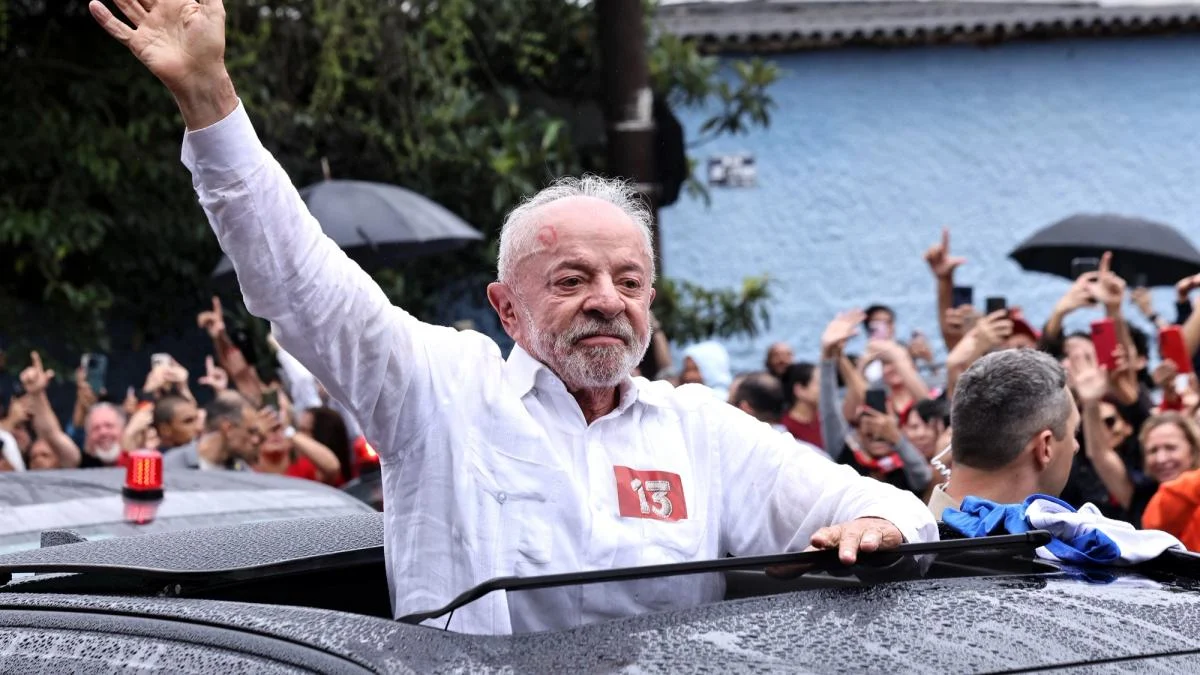
On election day, Brazilian companies rushed to stablecoins as a hedge against potential currency volatility, with trading activity on major crypto platforms spiking dramatically. According to CoinDesk, the surge reflected a shift toward dollar-denominated digital assets amid uncertainty surrounding the electoral outcome and its impact on the Brazilian real.
The data shows USDT volume on Mercado Bitcoin jumped nearly 800%, while bitcoin volume surged 865%. Binance’s USDT/BRL market tripled, even as the global BTC/USDT pair declined. This divergence suggests local buyers were prioritizing stablecoins pegged to the U.S. dollar over other crypto assets during the voting period.
Key Facts
- USDT volume on Mercado Bitcoin rose nearly 800% on election day.
- Bitcoin volume on the same exchange surged 865%.
- Binance’s USDT/BRL market tripled in activity.
- Global BTC/USDT pair fell during the same period.
The Story
What drove the rush to stablecoins?
Brazilian firms appear to have used stablecoins on election day as a protective measure, moving funds into dollar-pegged tokens to insulate themselves from sharp swings in the real. This behavior is consistent with past patterns in emerging markets, where investors seek refuge in stable assets during politically sensitive events such as national elections. By converting local currency balances into USDT or similar tokens, businesses can preserve purchasing power until market conditions stabilize.
The scale of the shift was significant. On Mercado Bitcoin, one of Brazil’s largest crypto exchanges, USDT volume increased by nearly 800% compared to baseline levels. Bitcoin volume saw an even larger jump of 865%, suggesting that institutions were not only entering the crypto ecosystem but doing so aggressively on election day. These figures indicate a coordinated or at least simultaneous response across multiple participants rather than isolated retail activity.
Who is affected by this trend?
The movement toward stablecoins on election day primarily reflects institutional and corporate behavior, though retail traders may also have participated. Companies holding large cash reserves in reais had strong incentives to diversify into dollar-linked assets, especially if they anticipated post-election volatility. For crypto platforms like Mercado Bitcoin and Binance, the spike in trading volume represents a major influx of liquidity, potentially boosting fee revenues and reinforcing their position in Latin America’s growing digital asset market.
The fact that the global BTC/USDT pair declined while local BRL-denominated markets surged highlights a regional concentration of demand. Traders in Brazil appear to be using stablecoins as a bridge between traditional fiat and broader crypto exposure, creating unique arbitrage and hedging opportunities within the local market structure.
What We Know — and What We Don’
Verified by the source:
- Mercado Bitcoin reported nearly 800% growth in USDT volume on election day.
- Bitcoin volume on Mercado Bitcoin increased 865%.
- Binance’s USDT/BRL pair tripled in trading activity.
- The global BTC/USDT pair experienced a decline during the same period.
Still unconfirmed:
- The exact date of Brazil’s election referenced in the report.
- Which specific companies participated in the stablecoin surge.
- Whether regulatory changes influenced the trading behavior.
- The long-term impact on Brazil’s broader financial markets.
Why It Matters
This episode underscores how companies in emerging markets increasingly rely on crypto infrastructure for risk management. As political events threaten currency stability, stablecoins offer a fast, accessible tool for capital preservation. For global observers, Brazil’s election-day trading surge signals growing mainstream adoption of digital assets beyond speculative use cases.
What To Watch
Market watchers should monitor whether similar patterns repeat ahead of future elections or geopolitical events. Additional clarity on the identities of participating firms and any regulatory responses could shape future trading dynamics in Latin America’s crypto ecosystem.