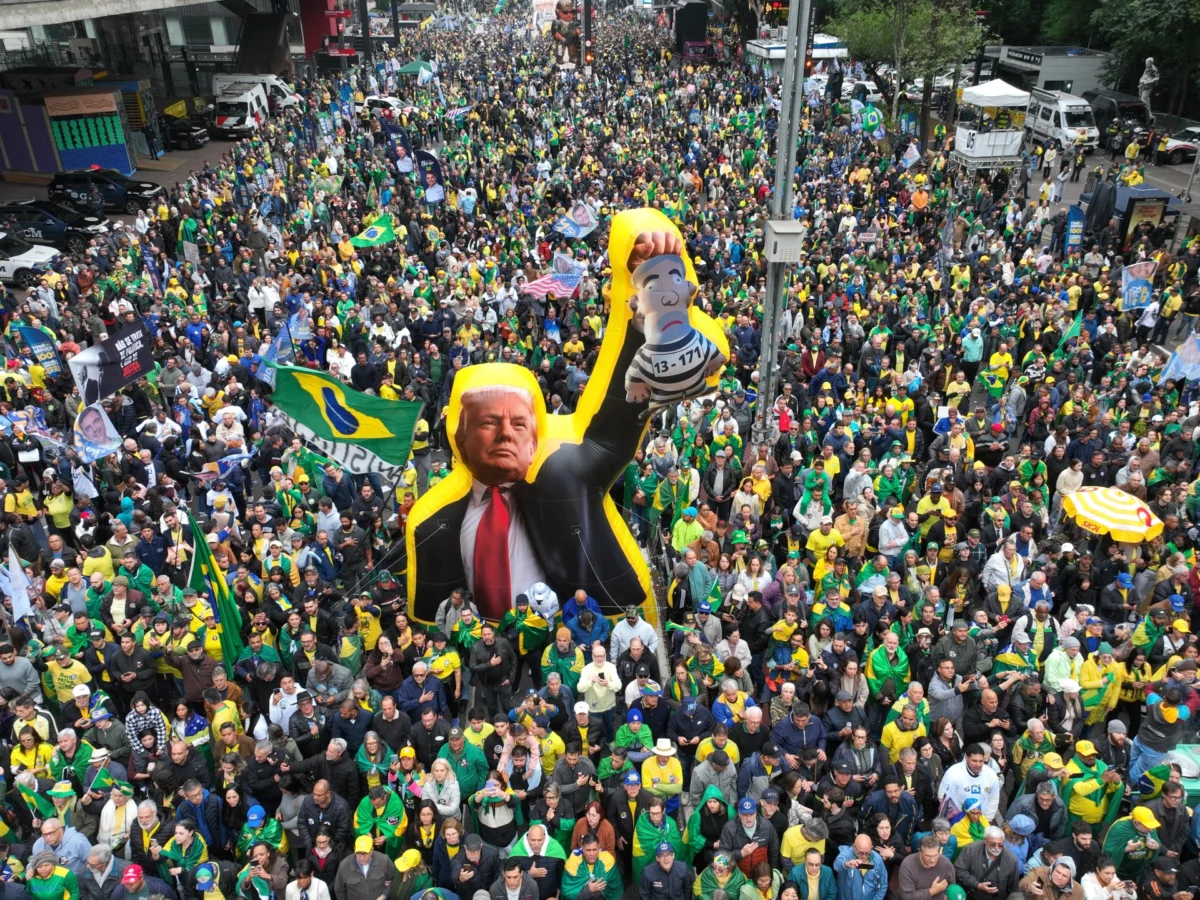
The Brazilian government has called for an investigation into US funding of far-right causes, raising questions about foreign financial support for conservative groups. This request comes as the country approaches its presidential election, adding urgency to scrutiny of international political funding.
The move follows reporting that the Trump administration directed funds toward right-wing organizations, though specific details remain unclear. Brazil’s call highlights growing sensitivity around external influence in domestic politics, particularly during electoral cycles.
Key Facts
- Brazilian government calls for probe into US funding of far-right causes.
- Report states Trump administration directed funds toward right-wing groups.
- Report emerges ahead of Brazilian presidential election.
What This Means
Brazil’s demand for a probe signals concern over potential foreign interference in its democratic process. Investigations into foreign funding often focus on transparency and national sovereignty, especially when elections are near. While direct evidence linking specific funding streams to electoral outcomes remains unconfirmed, the allegation itself has drawn attention to broader U.S. engagement with global conservative movements.
Such inquiries can strain diplomatic relations, particularly between nations with differing political ideologies. Past investigations into foreign funding have led to legislative reforms or sanctions targeting foreign entities. Whether Brazil will take formal legal steps or merely issue a political statement remains uncertain.
The broader context includes ongoing debates in several democracies about safeguarding electoral integrity against outside influence. Advocates argue that open societies must balance free speech with national security, while critics warn of politically motivated witch hunts aimed at silencing dissenting voices.
Who Is Affected
If confirmed, any involvement by U.S.-backed entities in Brazilian politics would have implications for both countries’ diplomatic relationship and domestic policy frameworks. Civil society groups operating across borders may face stricter oversight, potentially limiting their ability to advocate freely on issues like human rights, environmental protection, and democratic governance.
Additionally, the outcome could influence how international actors approach funding political initiatives globally. Organizations reliant on transnational financial networks might reassess their strategies amid rising nationalism and skepticism toward foreign agendas. Domestically, Brazilian citizens may experience shifts in public discourse depending on whether new laws restrict or regulate foreign contributions.
Politicians themselves also bear risk—accusations of collaboration with foreign powers can damage reputations or fuel polarizing narratives. Meanwhile, the media plays a critical role by contextualizing such claims within historical precedents and legal norms.
What We Know — and What We Don’t
Verified by the source:
- Brazilian government has requested an investigation into US funding of far-right causes.
- A report claims the Trump administration directed funds toward right-wing groups.
- The report was published before the upcoming Brazilian presidential election.
Still unconfirmed:
- Exact amounts or recipients of alleged US funding.
- Direct connection between funding and Brazilian electoral processes.
- Whether U.S. officials publicly acknowledged or denied these claims.
Why It Matters
As democratic institutions worldwide grapple with misinformation campaigns and foreign meddling, cases like this underscore the importance of transparent financial disclosures and robust regulatory frameworks. Public trust in elections hinges on assurance that no foreign entity manipulates the outcome through covert funding mechanisms.
What To Watch
Officials have not yet commented on whether Brazil intends to pursue formal legal action or diplomatic channels regarding the alleged activities described in the report.