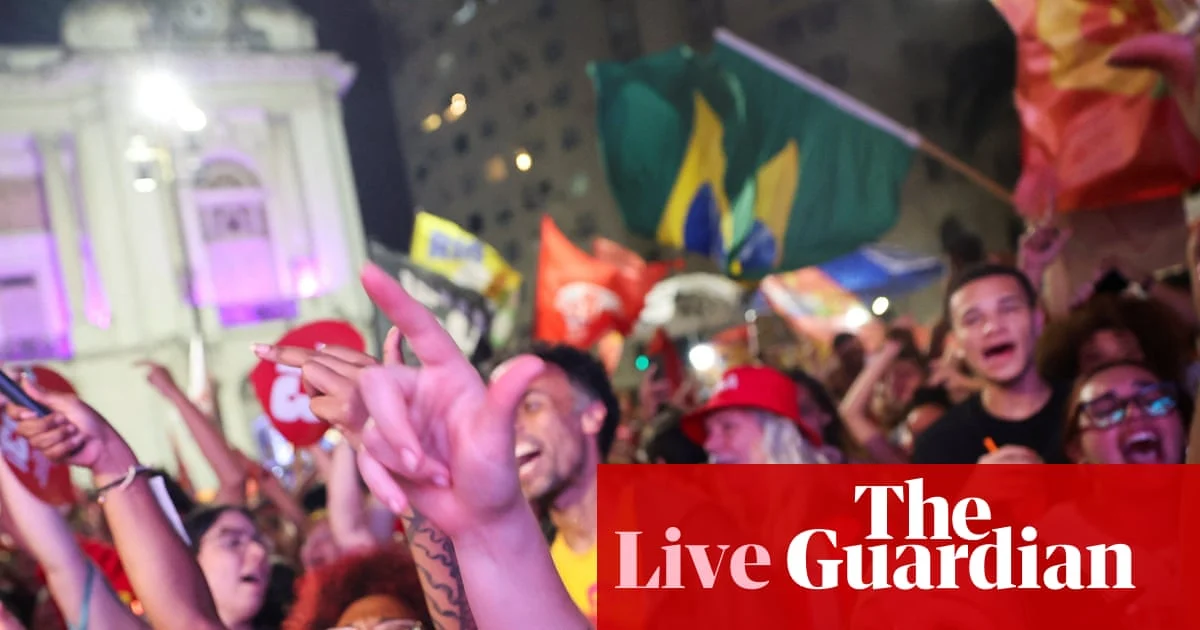
Brazil’s presidential runoff voting was extended by two hours Sunday after the Supreme Court ordered additional time, as Flávio Bolsonaro narrowly led incumbent Luiz Inácio Lula da Silva in the race. The extension follows legal and logistical complications, including court-ordered restoration of public transport and an unresolved arrest warrant.
Flávio Bolsonaro, running in place of his father former President Jair Bolsonaro, held a slim lead over Lula when the local electoral court moved to extend polling hours. The situation unfolded amid heavy rain in some regions and separate judicial actions targeting municipal officials accused of electoral offenses.
Key Facts
- The Supreme Court ordered voting in the Brazil runoff extended by two hours Sunday.
- Flávio Bolsonaro narrowly leads incumbent Luiz Inácio Lula da Silva in the Brazil presidential race.
- The local electoral court ordered full restoration of the bus fleet during the Brazil runoff.
- The municipal transport secretary was ordered arrested on suspicion of an electoral offense during Brazil voting.
- Flávio Bolsonaro separately requested two-hour extensions in São Paulo, Paraná and Santa Catarina due to heavy rain.
What happens next in the Brazil runoff?
Voting in the Brazil runoff is now set to continue for an additional two hours past the originally scheduled close, giving voters more time to cast ballots in contested areas where transportation and weather disrupted turnout. The Supreme Court’s decision came after the local electoral court also mandated the immediate restoration of 100% of the bus fleet to ensure voter access. Authorities reported that heavy rain in parts of São Paulo, Paraná and Santa Catarina had prevented some voters from reaching polling stations, prompting Flávio Bolsonaro to file separate requests for extended voting in those states. In those areas, the request cited weather-related barriers to participation, though it remains unclear how many jurisdictions approved the extensions.
The delay in Brazil’s runoff comes alongside legal fallout for municipal officials accused of electoral misconduct. The transport secretary in one city faced an arrest warrant on suspicion of an electoral offense and disobeying court orders, but the arrest could not be executed because he was in Paris on what the city government described as an official mission and would not return until Monday.
Who is affected by the Brazil runoff extension?
Voters in cities across several Brazilian states are directly affected, particularly those in areas where public transport was disrupted or where heavy rain limited access to polling stations. The court-ordered restoration of the full bus fleet aims to assist voters who depend on public transit to reach their designated voting locations. Residents of major cities in São Paulo, Paraná and Santa Catarina may benefit from the separate two-hour extension requests filed by Flávio Bolsonaro’s campaign, while national-level candidates and political observers are watching for shifts in the narrowed margin between Flávio Bolsonaro and Lula. Citizens unable to vote during regular hours due to logistical challenges now have additional time to participate in the Brazil runoff.
What we know — and don’t
Verified by the source:
- The Supreme Court extended Brazil runoff voting by two hours Sunday.
- Flávio Bolsonaro narrowly leads Lula in the Brazil presidential race.
- The local electoral court ordered restoration of the full bus fleet during Brazil voting.
- An arrest warrant was issued for a municipal transport secretary on electoral suspicion, but he was in Paris and not expected back until Monday.
- Flávio Bolsonaro requested two-hour extensions in São Paulo, Paraná and Santa Catarina citing heavy rain.
Still unconfirmed:
- Exact vote totals or margins between the candidates in the Brazil runoff.
- Which specific municipalities approved the two-hour extension requests.
- Whether the arrested transport secretary will face formal charges upon return from Paris.
- The precise impact of heavy rain and transport disruptions on overall voter turnout in Brazil.
Why this matters
The Brazil runoff determines the next president of one of the world’s largest democracies, with global implications for climate policy, regional alliances and economic direction. Extended voting hours and restored public transport help protect democratic access, especially in underserved communities where transportation barriers can suppress participation. The involvement of the Supreme Court underscores the judiciary’s role in safeguarding electoral integrity during Brazil’s closely watched presidential contest.
What to watch
Final vote counts are expected after polls close following the two-hour extension, and any further court rulings on additional requests could reshape timelines in the Brazil runoff.