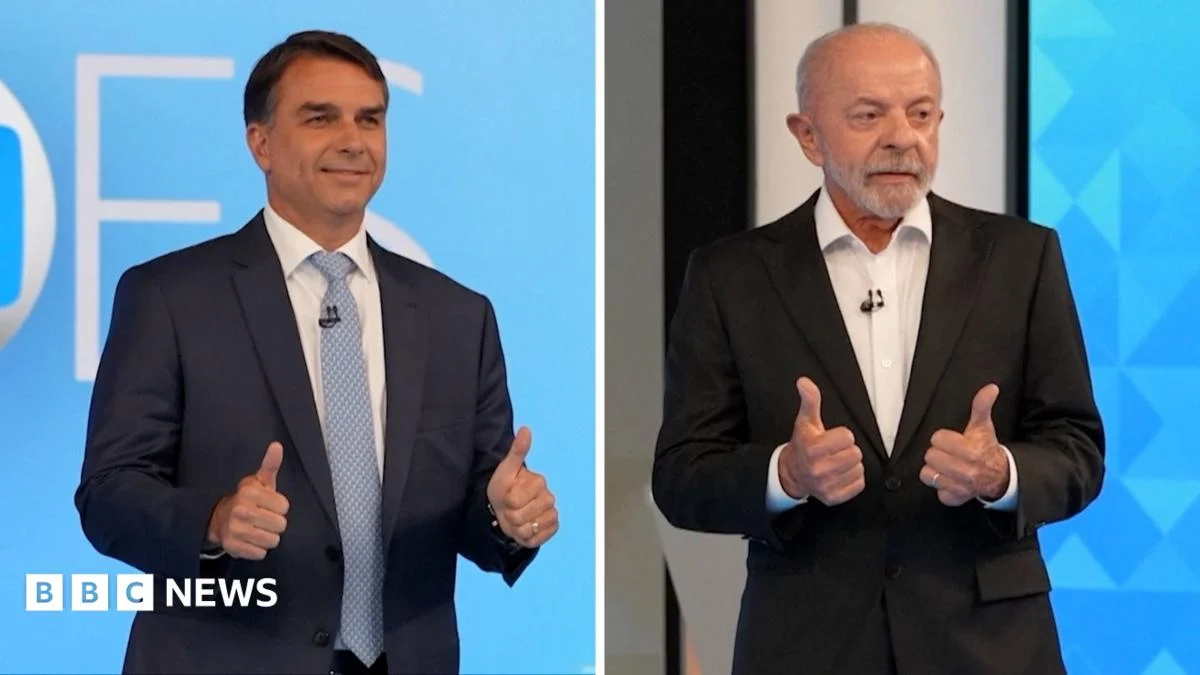
In Brazil’s upcoming presidential election, voters will decide between two markedly different candidates for leadership, as reported by BBC News from Rio de Janeiro. The election takes place on Sunday, with Americas correspondent Ione Wells providing coverage from the capital. The race reflects a choice between contrasting visions for the nation’s direction, with each candidate representing a distinct political path. This rematch-style contest has drawn significant regional attention due to the stakes involved and the global implications of Latin America’s largest democracy choosing its next leader.
KEY FACTS
- Voters in Brazil are holding a presidential election on Sunday.
- Two candidates are competing in the race.
- The candidates represent very different platforms.
- BBC News reporter Ione Wells is covering the event from Rio de Janeiro.
Who Is on the Ballot?
The Brazilian presidential race features two candidates who differ significantly in their policy priorities and political backgrounds. One candidate brings a history of progressive reform and social welfare advocacy, while the other emphasizes economic liberalization and security-focused governance. Voters must weigh these divergent approaches as they cast ballots on Sunday. The contrast between the contenders suggests a potential turning point in Brazil’s domestic and international policies, regardless of who prevails.
What Happens Next After Voting?
Once votes are counted, Brazil will learn who advances to the final round or who secures outright victory, depending on the electoral system’s outcome. The results will shape the country’s agenda for years to come, affecting everything from trade negotiations to environmental stewardship. International observers and diplomatic partners are watching closely, as Brazil holds considerable influence within Latin America and global forums. A clear winner may trigger swift transitions, while a narrow margin could lead to recounts or legal challenges. Either scenario underscores the importance of transparency and institutional stability during the process.
How Did We Get Here?
Brazil’s current political climate stems from years of economic upheaval, corruption scandals, and shifting public sentiment toward reform. These factors have fueled voter frustration and driven support toward both established figures and newer voices promising change. The candidates emerged through primary contests and campaign rallies that highlighted key divisions over inequality, governance standards, and the balance between state intervention and market freedom. With high stakes and polarized opinions, this Sunday’s vote represents more than routine turnover—it reflects deeper questions about Brazil’s identity and future trajectory.
WHAT WE KNOW — AND WHAT WE DON’T
Verified by the source:
- An election is scheduled for Sunday.
- There are exactly two presidential candidates running.
- The candidates present very different profiles.
- Ione Wells reported live from Rio de Janeiro.
Still unconfirmed:
- The identities or names of the two candidates.
- Specific policy positions or campaign issues at stake.
- Polling data or expected voter turnout figures.
- Timeline for announcing official results after polls close.
WHY IT MATTERS
As the largest democracy in Latin America, Brazil plays a pivotal role in regional diplomacy, economic cooperation, and global climate efforts. The outcome of its presidential election influences not only domestic affairs but also how other nations engage with South America on matters ranging from trade agreements to migration. Additionally, Brazil’s democratic institutions remain under close scrutiny following recent periods of political tension. How peacefully power transfers and how fairly the vote proceeds sends signals far beyond its borders—making the integrity of the process itself a matter of international interest. See our war-geopolitics coverage for ongoing developments in global political shifts.
WHAT TO WATCH
Stay tuned for post-election analysis as officials release certified vote totals and assess whether the transition proceeds smoothly, according to BBC News reporting.