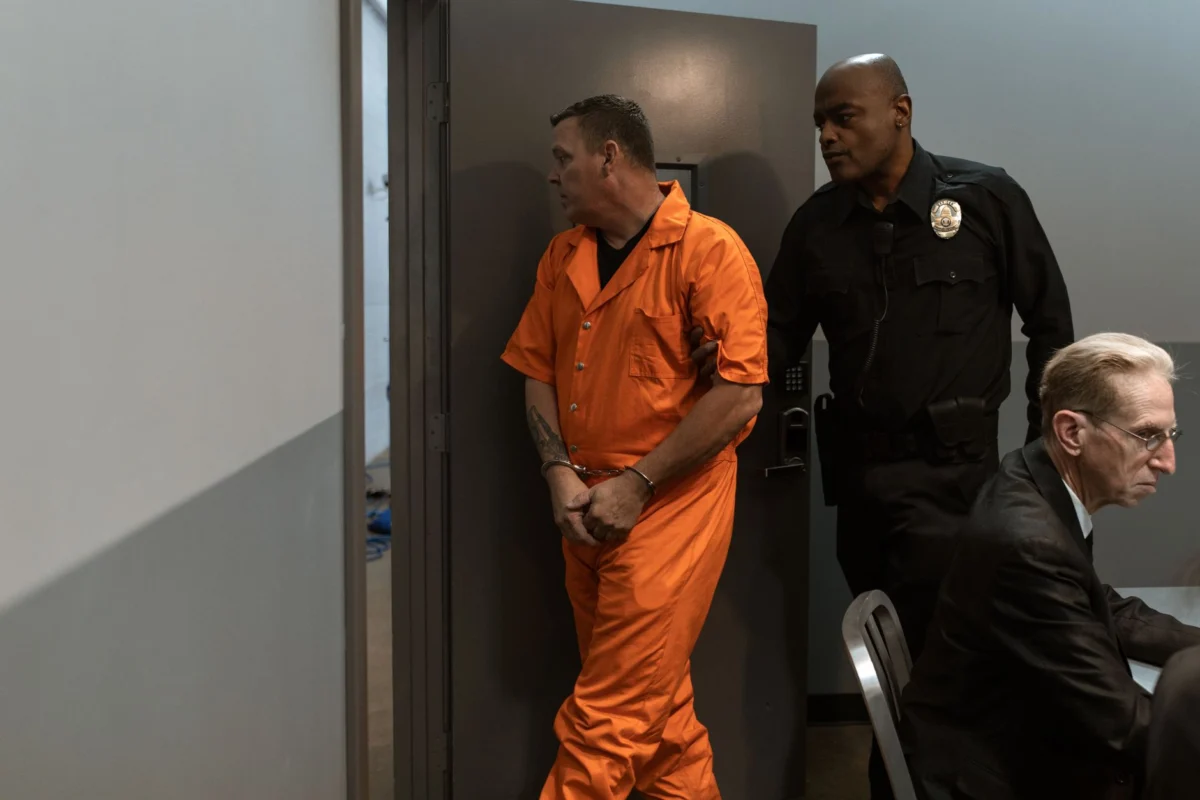
Bolivia’s attorney general was arrested as part of a sweep that detained 14 people, including four individuals accused of moving cash from his home into an ambulance, according to World reporting.
The arrest follows U.S. accusations of narco corruption tied to the attorney general, marking a significant escalation in cross-border legal tensions. Authorities allege financial impropriety involving the attorney general’s residence, though no formal charges or court documents were detailed in the source.
KEY FACTS
- Bolivia arrested its attorney general following U.S. narco corruption accusations.
- Authorities detained 14 people in connection with the case.
- Four suspects were caught moving cash from the attorney general’s home into an ambulance.
Who Is Affected by These Arrests?
The arrest directly impacts Bolivia’s top legal official, whose removal leaves a leadership vacuum in the nation’s prosecutorial body. The broader implications extend to public trust in judicial institutions, especially if corruption is substantiated at such a high level. International observers, particularly in the U.S., may reassess bilateral cooperation on drug enforcement and rule of law initiatives.
The detentions also signal growing scrutiny over financial conduct among Bolivia’s elite. While the source does not name the other 10 individuals, their arrest suggests a network potentially extending beyond a single officeholder. This raises questions about systemic vulnerabilities within state institutions tasked with upholding the law.
How Did We Get Here?
The arrest stems from U.S. allegations linking Bolivia’s attorney general to narco corruption — an accusation that prompted domestic action. The image of suspects transferring cash from his home into an ambulance underscores the alleged brazenness of the operation. Such actions, if proven, would represent a severe breach of fiduciary duty and legal ethics.
Bolivia has previously struggled with corruption in public office, often straining its relationships with international partners. The U.S. has long criticized Latin American governments for inadequate efforts to combat organized crime and corruption. This development fits into a familiar pattern of geopolitical friction, where legal accusations become tools of both justice and diplomacy.
What We Know — and What We Don’t
Verified by the source:
- Bolivia arrested its attorney general after U.S. narco corruption accusations.
- 14 people were detained, including four moving cash from the attorney general’s home into an ambulance.
Still unconfirmed:
- The identity or roles of the other detainees besides the attorney general.
- Specific evidence or documentation supporting the U.S. narco corruption claim.
- Whether formal charges have been filed domestically or internationally.
- Any official response from the attorney general or his legal team.
Why It Matters
This case highlights ongoing challenges in holding powerful officials accountable for corruption and underscores the role of international pressure in prompting domestic legal action. For readers outside Bolivia, it illustrates how narco-related allegations can ripple across borders, shaping diplomatic ties and testing the rule of law in fragile institutional environments.
What To Watch
Further developments will depend on whether formal charges are released and if additional evidence emerges linking other officials to the alleged corruption scheme. Updates from either Bolivian authorities or U.S. agencies could clarify the scope and credibility of the accusations. Meanwhile, public reactions inside Bolivia may influence upcoming political or judicial proceedings.