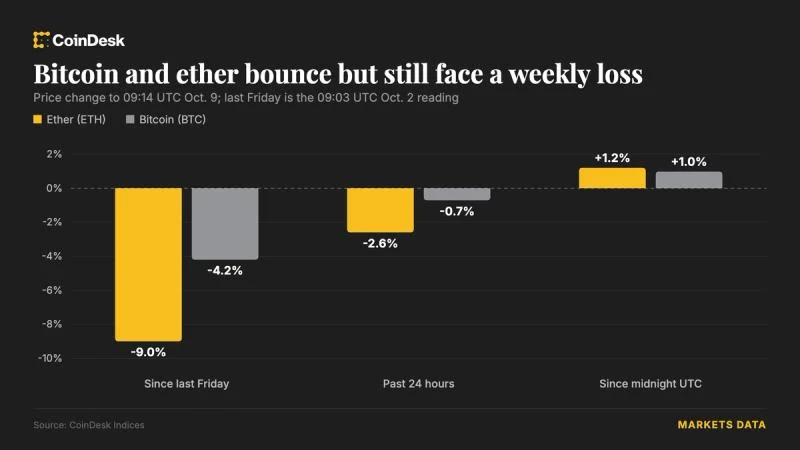
Bitcoin steadied near $82,500 after Trump ruled out an Iran strike, easing some near-term geopolitical risk for crypto markets. The cryptocurrency rebounded modestly but remains roughly 4% lower over the past week, while ether has fallen 9% during the same period.
The price movement reflects how sensitive digital assets remain to global political developments, even as investors digest mixed signals from policymakers.
KEY FACTS
- Bitcoin steadies near $82,500 after Trump rules out Iran strike.
- Bitcoin remains about 4% lower on the week despite the rebound.
- Ether has lost 9% over the same weekly period.
What Triggered The Rebound?
The immediate catalyst for Bitcoin steadies near current levels was a public signal that no military action against Iran would occur before upcoming midterm elections. That assurance reduced short-term uncertainty that had been weighing on risk assets broadly, including cryptocurrencies.
In volatile markets like crypto, perceptions of stability often drive sharper price swings than underlying fundamentals. Traders appear to be recalibrating positions after days of caution tied to geopolitical tension.
Still, weekly losses show that one announcement alone does not reverse longer trends shaped by multiple factors including macroeconomic data and regulatory outlook.
Who Is Affected By These Moves?
Retail investors and institutional holders alike are watching Bitcoin steadies as a barometer for broader sentiment across digital assets. Price fluctuations directly impact trading volumes, liquidity, and portfolio values for participants ranging from individual savers to large funds.
Market watchers note that ether’s steeper 9% drop suggests weaker demand or profit-taking among altcoin traders compared to bitcoin dominance. This divergence often indicates differing risk appetites within the crypto ecosystem.
For everyday users storing value in crypto, swings can affect spending power and transaction confidence, especially when prices move rapidly without warning.
What Happens Next?
Looking ahead, Bitcoin steadies may face renewed pressure if new headlines emerge about international relations or economic policy shifts. Market participants will likely monitor central bank statements, inflation reports, and further political commentary closely.
Analysts suggest that sustained clarity around fiscal and monetary paths could help stabilize volatility, though short-term swings remain probable given inherent market characteristics. Traders should expect continued sensitivity to breaking news.
Until more concrete indicators surface, Bitcoin steadies near present levels might represent temporary relief rather than a durable recovery phase.
WHAT WE KNOW — AND WHAT WE DON’T
Verified by the source:
- Bitcoin traded around $82,500 following Trump’s statement ruling out an Iran strike.
- Bitcoin was down about 4% over the prior week at the time of reporting.
- Ether declined 9% over the same weekly window.
Still unconfirmed:
- Exact timing of Trump’s remarks or official transcript details.
- Broader market reaction beyond crypto sectors.
- Whether this rebound signals lasting trend reversal.
WHY IT MATTERS
Cryptocurrency markets often respond swiftly to geopolitical developments, influencing investor behavior globally. Understanding these dynamics helps readers navigate financial uncertainty and make informed decisions amid shifting conditions.
WHAT TO WATCH
Further commentary from policymakers or upcoming economic data releases could reshape near-term trajectory. Stay tuned for updates reflecting evolving circumstances.
Explore our trading-crypto archive for ongoing coverage of digital asset movements and market analysis.See economy and markets insights.