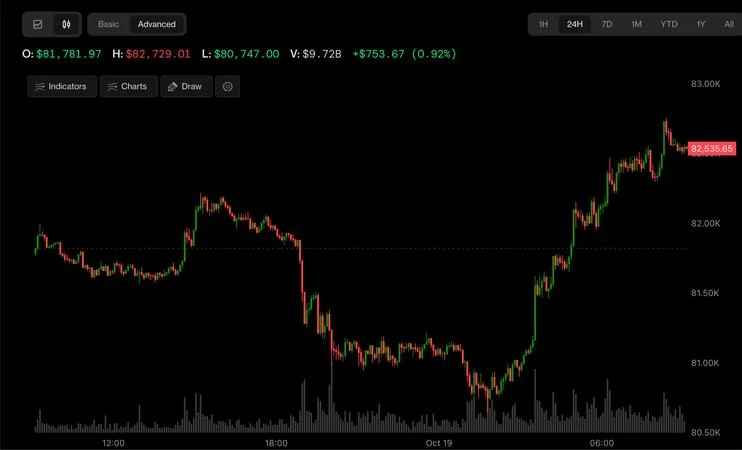
Bitcoin rally led gains across Asian markets on expectations of stronger economic momentum, with investors reacting positively to data showing China’s economy growing faster than analysts had predicted. The rebound in risk appetite extended to futures markets, where Nasdaq contracts advanced in early trading alongside Korea’s KOSPI index.
Markets responded favorably as falling oil prices eased inflationary pressures, reinforcing a bullish tone in both equity and cryptocurrency sectors. Traders interpreted the combined signals—higher-than-expected gross domestic product figures and lower energy costs—as evidence that global demand concerns may be easing, though questions remain about how long this momentum will hold.
KEY FACTS
- Bitcoin rose along with Asian stocks and Nasdaq futures following strong China GDP data.
- Risk appetite improved across global trading markets due to stronger-than-expected economic growth in China.
- Oil prices declined, contributing to positive sentiment among investors in crypto and equity markets.
- Korea’s Kospi joined other Asian indices in climbing after China reported better-than-forecast GDP results.
- Nasdaq futures gained ground alongside Bitcoin and Asian equities amid renewed optimism over worldwide economic outlook.
What Drives the Bitcoin Rally?
The surge in value for Bitcoin follows a broader pattern where digital assets are increasingly tied to macroeconomic indicators such as GDP reports and commodity pricing trends. When major economies release growth statistics surpassing consensus estimates, it often fuels speculative investment into decentralized currencies perceived as alternative stores of value during uncertain times.
In recent years, correlations between traditional financial instruments and cryptocurrencies have deepened, making simultaneous upward movements common when external conditions support increased appetite for higher-yielding opportunities. This relationship suggests that Bitcoin’s performance isn’t isolated but reflects wider shifts influenced by central bank policies and geopolitical developments affecting overall capital flows.
Who Benefits From These Market Moves?
Investors holding positions in listed securities, particularly those involved in technology-related fields sensitive to interest rate changes, saw portfolio valuations rise during this period of heightened activity. Similarly, holders of crypto assets experienced gains that mirror those observed in previous bull runs triggered under comparable circumstances involving unexpected fiscal updates or policy adjustments aimed at stimulating economic recovery efforts globally.
As institutional participation grows within decentralized finance ecosystems, so does exposure to varied economic catalysts capable of swaying market directionality beyond just regulatory announcements alone—adding layers of complexity while simultaneously expanding potential entry points for both retail traders seeking short-term profits and long-term accumulators focused on fundamental adoption milestones regardless of near-term volatility fluctuations.
What Happens Next in Trading Markets?
With several key central banks scheduled to announce monetary strategies soon, many observers anticipate continued sensitivity to incoming data releases related to employment levels consumer confidence indices along with evolving commentary from influential policymakers regarding future trajectory expectations concerning inflation targets interest rate trajectories etcetera — factors historically known to drive directional bias across diverse asset classes including blockchain-based tokens.
Monitoring upcoming sessions closely could provide clarity whether current enthusiasm translates into sustained upward pressure maintaining present velocity versus experiencing temporary retracement phases typical during periods marked rapid appreciation cycles lacking foundational support mechanisms inherently built through consistent transactional throughput improvements rather than purely speculative demand surges originating outside normal operational frameworks governing established exchanges worldwide today already operating within defined parameters ensuring stability liquidity accessibility regulatory compliance obligations ultimately shaping investor behavior expectations outcomes accordingly moving forward together.
What We Know — and What We Don’t
Verified by the source:
- Bitcoin prices increased during Asian trading hours.
- Asia-Pacific stock markets, including Korea’s Kospi, posted gains.
- Nasdaq futures showed upward movement.
- China’s latest GDP report surpassed economic projections.
- Crude oil prices fell during the same session.
Still unconfirmed:
- No specific percentage values given for price increases or decreases.
- Precise timing of market movements not disclosed.
- Exact reasons behind investor sentiment beyond general risk appetite not detailed.
- Much remains unknown about long-term sustainability of the rally.
Why It Matters
This convergence of crypto and traditional market responses highlights how interconnected modern economics truly are—where one nation’s surprising statistic can reverberate through wallets and portfolios everywhere, reshaping strategies overnight for anyone watching digital currencies or participating in global trade whatsoever anymore nowadays anyway.
What To Watch
Investors should monitor upcoming policy statements from major central banks and further economic indicators for signs of continued strength or emerging weakness in global demand patterns impacting both blockchain innovations and conventional investments concurrently going forward together.