Lede
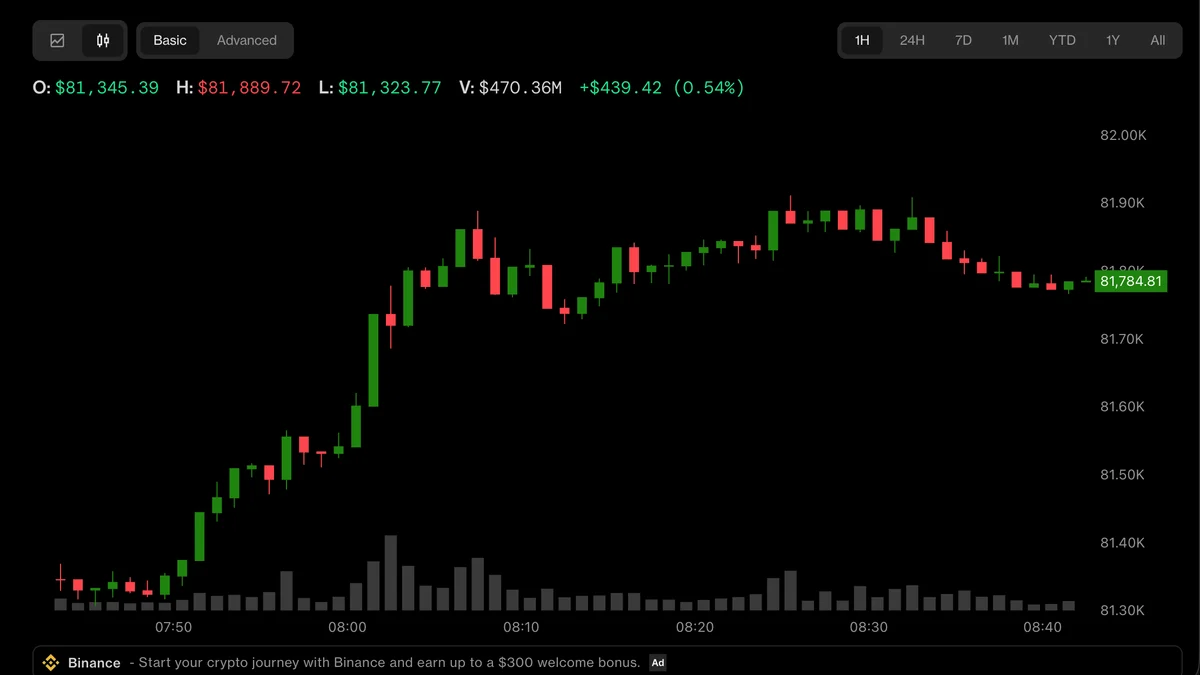
Bitcoin and gold pared early losses as the yen gave up gains and Asian stocks rebounded, though oil staying near $100 keeps inflation risks in focus.
The movement suggests markets are reacting to shifting currency and commodity pressures, with crypto and traditional safe-haven assets finding some support after initial weakness.
Key Facts
- Bitcoin and gold trimmed early losses.
- The yen gave up gains.
- Asian stocks rebounded.
- Oil stayed near $100.
The Story
Who Is Affected?
Investors and traders across Asian markets are directly affected by these shifts. As the yen gives up earlier gains, carry-trade positions and export-related assets experience renewed volatility. Meanwhile, Bitcoin and gold — often seen as alternative stores of value — find buyers after early dips, suggesting some appetite for defensive positioning despite risk-on momentum in equities.
The rebound in Asian stocks adds further complexity. It indicates that while inflation concerns persist due to near-$100 oil prices, equity markets still find reasons to rally. This interplay between yield-sensitive assets like bonds, commodities such as oil, and speculative plays including cryptocurrencies creates a dynamic environment for short-term traders.
How Did We Get Here?
Market movements today reflect ongoing tension between inflation fears driven by high oil prices and broader economic uncertainty. When oil hovers around $100 per barrel, it signals sustained cost pressures globally. In response, central banks may maintain tighter monetary policies longer than expected, influencing currency pairs like USD/JPY where the yen often weakens under such conditions.
At the same time, digital assets like Bitcoin react swiftly to macroeconomic shifts. While not yet recognized as official reserve assets, they continue drawing attention during periods of fiat currency instability. Gold, historically a hedge against inflation, also responds strongly when real yields remain low amid rising consumer price indices.
What Happens Next?
Looking ahead, all eyes will likely turn back to energy markets and Federal Reserve commentary. If oil breaks above $100 again, it could amplify inflation anxieties and push more investors toward both gold and crypto. Conversely, if Asian economic data weakens or geopolitical tensions ease, risky assets might outperform once more.
For now, Bitcoin and gold holding above session lows reflects a cautious balance. Traders appear unwilling to fully commit but are unwilling to completely abandon these assets either — setting up potentially choppy trading ranges until clearer directional cues emerge.
What We Know — and What We Don’t
Verified by the source:
- Bitcoin and gold pared early losses.
- The yen gave up gains.
- Asian stocks rebounded.
- Oil remained near $100.
Still unconfirmed:
- No specific timeframes or regional indices cited.
- Reasons behind the yen’s reversal are not detailed.
- No named officials or institutions quoted.
Why It Matters
These cross-market movements matter because they signal how investors are navigating competing forces: inflation risk from elevated oil prices versus potential recovery impulses in global growth. For everyday savers and institutional portfolios alike, understanding whether Bitcoin, gold, and stocks move together or diverge can inform everything from retirement planning to hedging strategies. With central banks facing difficult trade-offs, such daily swings offer clues into evolving sentiment.
What To Watch
Upcoming energy reports and monetary policy updates from major economies will help clarify whether current trends persist or reverse sharply.