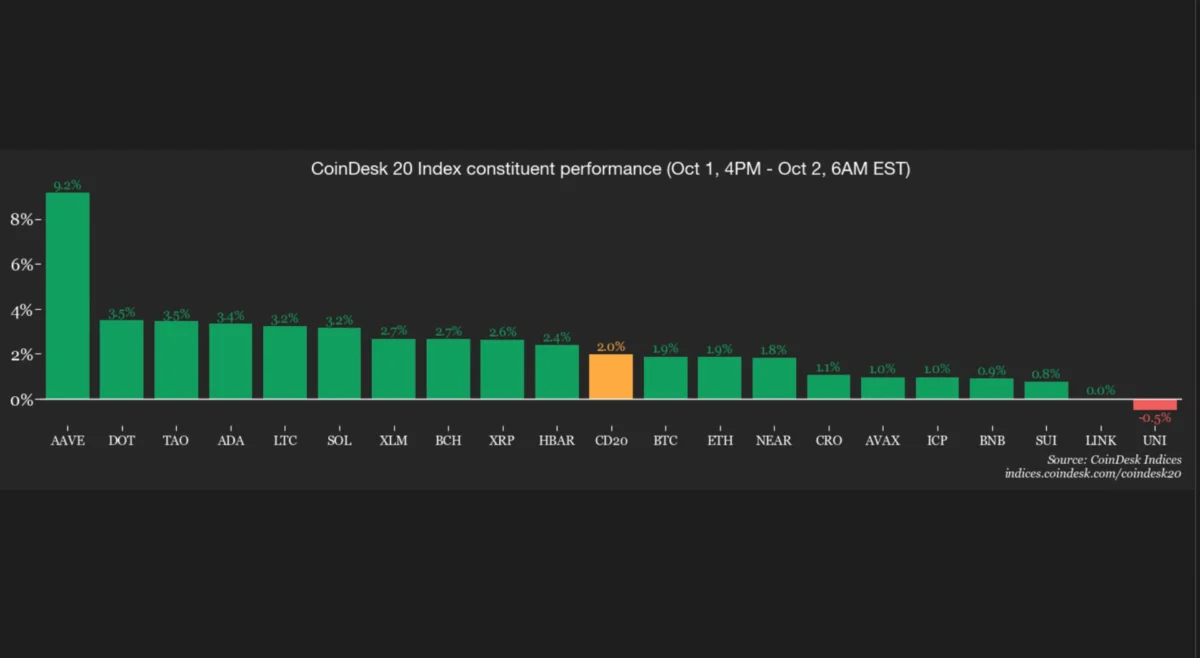
Bitcoin dominance is nearing 60%, indicating a potential shift toward risk-on behavior among crypto traders as the market grows more comfortable with volatility. This movement suggests traders may be rotating away from stablecoins and into more speculative assets.
As bitcoin dominance climbs, it typically reflects increased investor confidence in the broader crypto ecosystem, with traders favoring growth-oriented assets over safer holdings.
Key Facts
- Bitcoin dominance is approaching 60%, signaling growing market confidence.
- USDT dominance has slipped to 6.3%, indicating reduced preference for stablecoins.
- Crypto traders are showing a risk-on stance as market sentiment improves.
- The shift suggests movement from stable assets toward more speculative investments.
The Story
What does rising bitcoin dominance indicate?
Bitcoin dominance measures the percentage of the total cryptocurrency market capitalization represented by Bitcoin alone. When this figure rises, it often means investors are shifting funds into Bitcoin, viewing it as a safer entry point into the crypto space compared to smaller or more volatile altcoins.
A rise toward 60% can signal renewed institutional or retail interest in Bitcoin specifically, potentially setting the stage for further bullish momentum across the broader market. Historical trends show that periods of increasing bitcoin dominance are often followed by sustained bull runs.
Who is affected by this trend?
Traders across all experience levels are impacted by shifts in bitcoin dominance. Retail investors may see opportunities in altcoins during risk-on phases, while institutional players often use Bitcoin as a benchmark for portfolio allocation decisions.
Stablecoin holders, particularly those invested in USDT, may experience diminishing yields or utility as capital flows toward Bitcoin and other high-risk assets. This dynamic underscores how interconnected crypto markets react to changing sentiment cues.
How did we get here?
In recent weeks, macroeconomic conditions have stabilized, reducing uncertainty that previously drove investors toward ultra-safe assets like USDT. With inflation concerns easing and regulatory clarity improving in key jurisdictions, traders are reassessing their risk appetite.
This reassessment has led to a natural rebalancing where Bitcoin regains share at the expense of stablecoins. Such cycles are not new but gain importance when analyzed within evolving global financial landscapes.
What We Know — and What We Don’t
Verified by the source:
- Bitcoin dominance is approaching 60%.
- USDT dominance has slipped to 6.3%.
- Traders are adopting a risk-on posture in response to market trends.
Still unconfirmed:
- Exact timing or drivers behind the current shift in dominance levels.
- Whether upcoming events will sustain this risk-on trend.
- Precise impact on specific altcoin sectors or investor segments.
Why It Matters
Shifts in bitcoin dominance serve as bellwethers for overall crypto market health, guiding investment strategies and influencing asset allocation decisions. For everyday investors, these movements shape both opportunities and risks in an increasingly mainstream financial landscape.
What To Watch
Market observers should monitor whether bitcoin dominance sustains its upward trajectory and how subsequent weeks affect stablecoin usage and altseason development.