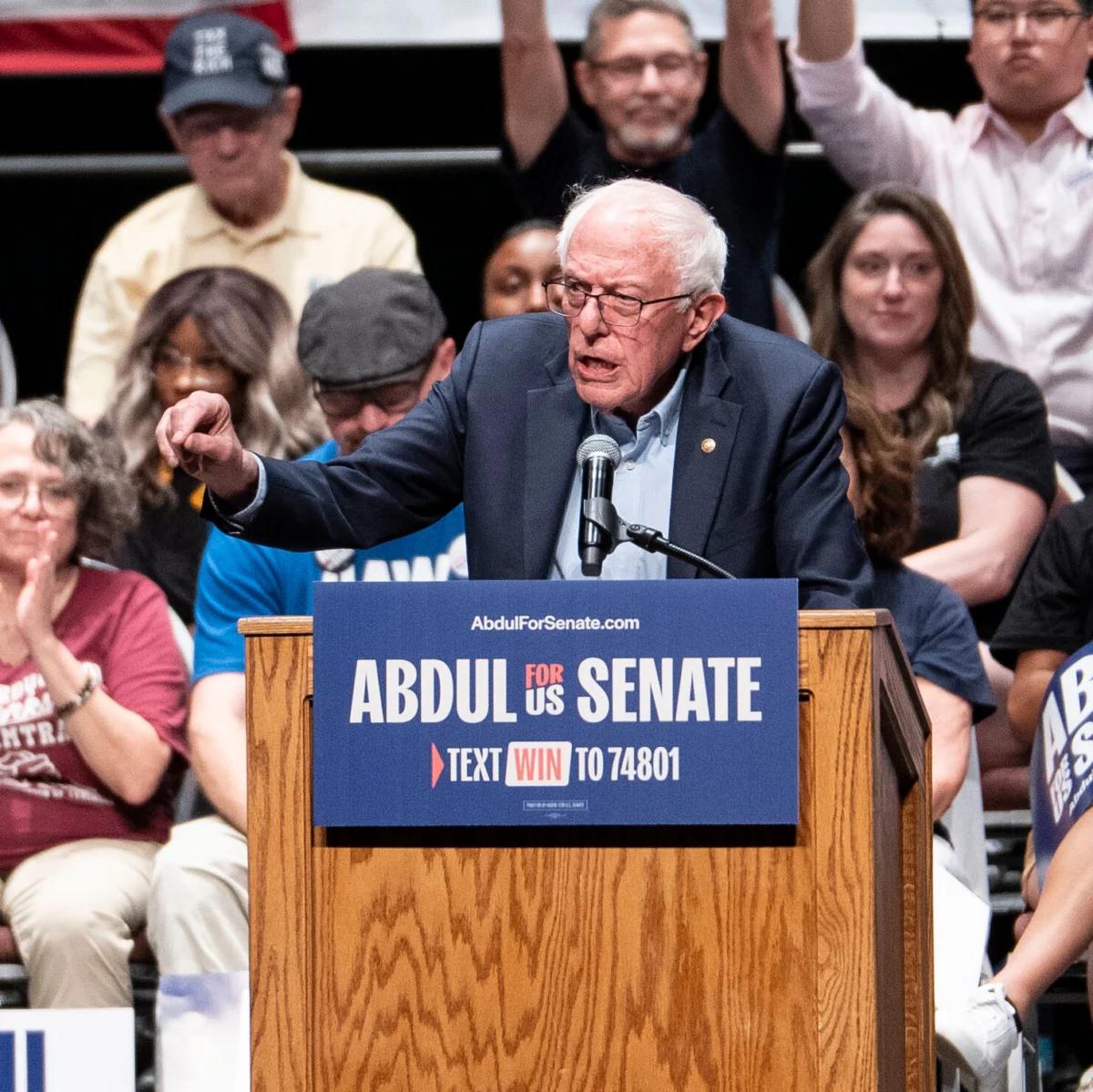
Senator Bernie Sanders’ continued influence within the Democratic Party is creating tensions, according to a recent opinion piece. The article questions whether his progressive agenda aligns with the broader goals of the party as it prepares for future elections.
The piece examines the ideological divide between the Democratic establishment and the insurgent left, represented by figures like Sanders. It suggests that this dynamic could impact the party’s ability to present a unified front.
KEY FACTS
- Bernie Sanders’ political stance is causing friction within the Democratic Party.
- The insurgent left’s objectives are under scrutiny regarding party cohesion.
- The NYT opinion piece raises concerns about Democratic unity ahead of elections.
What is the insurgent left’s project?
The article explores the goals of the progressive wing of the Democratic Party, led by figures like Sanders. This movement advocates for policies such as Medicare for All and free college tuition, which sometimes clash with more moderate Democratic positions.
While these ideas have gained popularity among younger voters, they face resistance from establishment Democrats who worry about their electoral viability in swing districts.
How does this affect Democratic strategy?
The tension between progressive and moderate factions could influence the party’s platform and candidate selection process. Some Democrats fear that Sanders’ continued prominence might alienate centrist voters crucial for winning general elections.
The article suggests this internal debate reflects larger questions about the Democratic Party’s identity and direction in the coming years.
WHAT WE KNOW — AND WHAT WE DON’T
Verified by the source:
- Bernie Sanders remains an influential figure in Democratic politics
- The insurgent left’s agenda creates tension within the party
Still unconfirmed:
- How much Sanders actually impacts Democratic electoral prospects
- Whether party leadership will accommodate or resist progressive demands
- The exact nature of internal Democratic Party negotiations
WHY IT MATTERS
This internal Democratic debate has significant implications for the party’s future and American politics more broadly. The outcome could determine whether the party moves further left or maintains a more centrist approach to attract a broader coalition of voters.
WHAT TO WATCH
Observers will be watching how Democratic leaders navigate these tensions in upcoming primaries and policy debates. The party’s ability to balance progressive energy with electoral pragmatism may prove crucial in future elections.