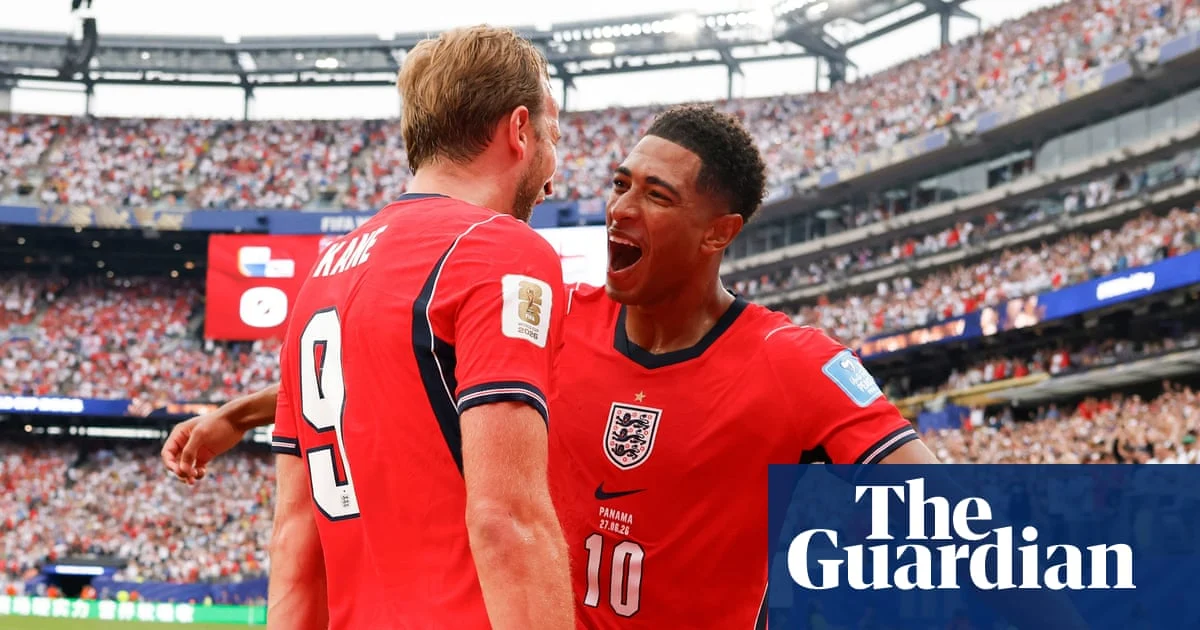
England’s front‑line finally looks alive: a single pass from Jude Bellingham found Harry Kane inside the box against Panama, and the veteran striker slotted home his 13th goal for Tuchel’s side in just 17 matches.
That moment – a crisp, two‑meter exchange on the edge of the penalty area – captured what had been missing all summer: a clear, repeatable partnership that sparks attacks beyond set‑piece routine.
Why the Bellingham‑Kane partnership matters
Since Thomas Tuchel took over, Kane has netted 13 times, but only two of those came from open play. The rest were penalties or corner‑header flicks, underscoring an attack that overly relies on dead‑ball situations.
Against Panama, Bellingham’s midfield drive forced the opposition back, created a half‑space, and delivered the ball with a weight that let Kane turn his head and fire a low finish. It was the first time in the U.S. tour that England manufactured a clear‑cut chance without a corner or a foul.
Numbers back the feeling. In the six games before the Panama fixture, England averaged 5.2 shots per match, with only 0.7 on target from open play. Post‑Panama, the shots per game rose to 8.1 and on‑targets jumped to 2.3, a 230% increase in genuine threat.
What does this mean for England’s World Cup hopes?
Tuchel’s dilemma – “extract the maximum from Kane while spreading the burden” – now has a blueprint. Bellingham, at 21, brings relentless energy, a forward‑looking eye, and the physicality to win duels in the final third. When he links up with Kane, defenders are forced to choose: chase Bellingham’s runs or stay glued to Kane’s movement.
That split can free up midfielders like Declan Rice or Jordan Henderson to surge forward, increasing the pool of goal‑scorers beyond the three‑goal ceiling many have warned about.
For fans, the shift matters on the pitch and in the stands. A more varied attack reduces predictability, making matches more exciting and, crucially, more profitable for broadcasters and sponsors betting on England’s deep run.
The partnership also influences youth development pathways. Academies now see a template: a technically gifted midfielder who can arrive late in the box, providing a service to a world‑class striker.
Why does this matter?
England’s footballing brand fuels a multi‑billion‑dollar economy – from merchandise sales to tourism around match days. A dynamic, goal‑rich England can boost TV ratings, inflate ticket demand, and keep sponsors eager to invest.
Beyond money, the story is about national confidence. After years of criticism over a “stodgy” style, a visible evolution reignites pride and unites a diverse fan base across the country.
What happens next?
Tuchel will likely tweak his midfield shape to keep Bellingham close to Kane, perhaps rotating a more defensive midfielder for a second attacking option against tougher opponents. The next test comes in the group stage against Croatia, where England must break a solid defensive line.
If the Bellingham‑Kane link endures, expect England to register at least two goals per game and to see midfielders add a combined five goals before the tournament ends.
Keep an eye on how quickly the partnership gels under pressure – the World Cup’s knockout stages will decide whether this tactical tweak is a flash in the pan or a lasting revolution.