Lede
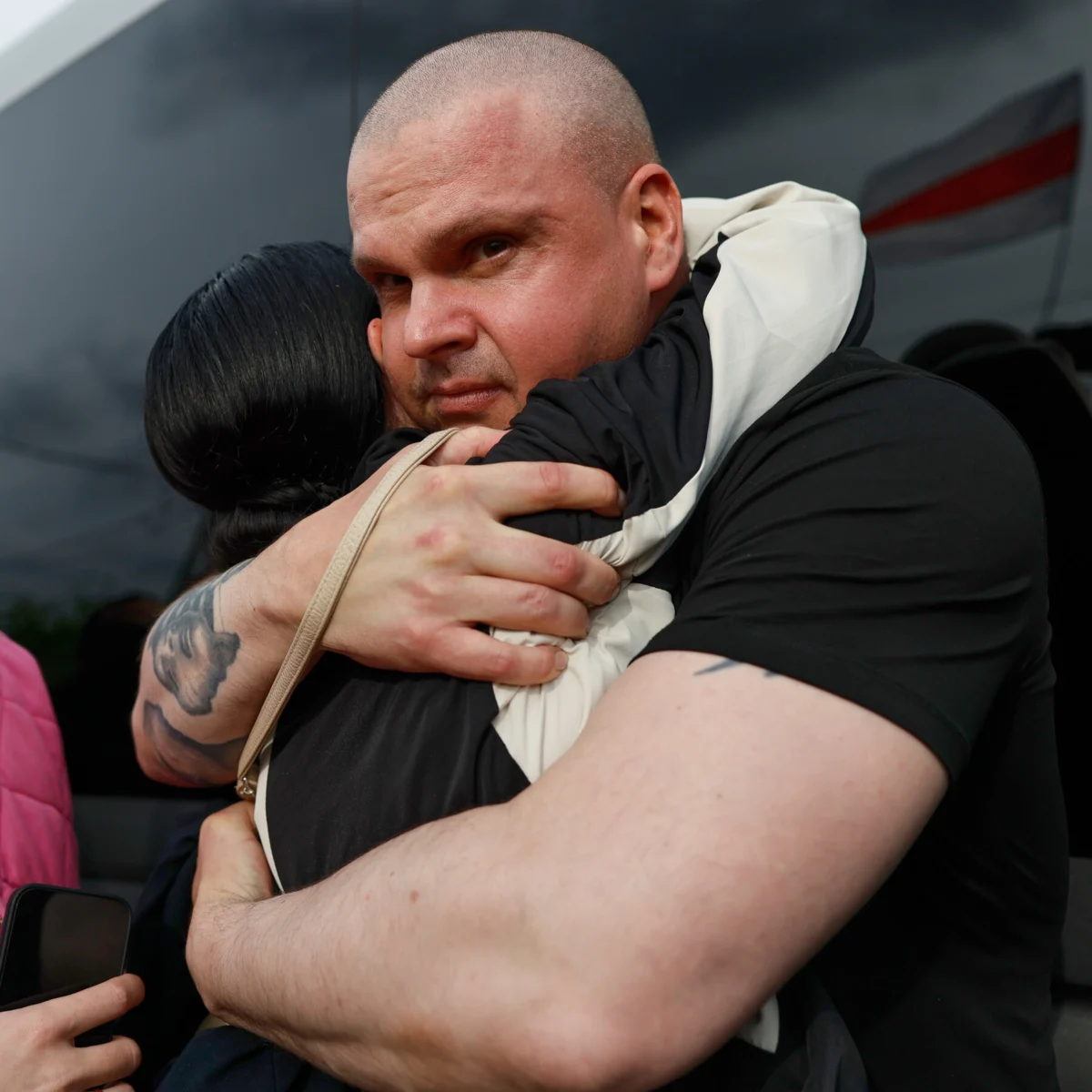
Belarus has freed 25 political prisoners in exchange for relief from U.S. sanctions, according to reporting by NYT > World News. The deal reflects the Trump administration’s more transactional approach to Belarus, a close Russian ally long isolated by Europe.
The prisoner exchange marks a notable shift in diplomatic engagement with Belarus, which has faced sustained Western pressure over its treatment of opposition figures and civil society. By tying sanctions relief to the release of political prisoners, the agreement highlights how economic leverage is being used to extract limited concessions from authoritarian governments.
Key Facts
- Belarus released 25 political prisoners.
- The release was part of a deal for U.S. sanctions relief.
- The arrangement is linked to the Trump administration’s transactional approach.
- Europe has previously sought to isolate Belarus.
How did we get here?
Belarus has long faced Western sanctions over its record on human rights and democratic governance, particularly following disputed elections and widespread crackdowns on dissent. The Trump administration, known for its pragmatic and often deal-driven foreign policy, appears to have pursued a direct exchange: prisoner releases in return for easing economic penalties imposed by the United States.
This approach contrasts with the broader European strategy, which has favored sustained isolation and conditional dialogue. While European nations have maintained coordinated pressure on Belarusian leadership, the U.S. move suggests a willingness to pursue bilateral negotiations even with leaders aligned closely with Russia. The prisoner exchange underscores how divergent strategies can create openings—or fractures—in unified Western responses.
Who is affected?
The 25 political prisoners, whose identities were not detailed in the source, represent individuals previously detained for their perceived opposition to the Belarusian government. Their release affects not only their families but also a broader community of activists and dissidents who have faced legal and extralegal repression under the current regime.
U.S. sanctions relief may ease some economic restrictions, though the scope and impact remain unclear without further detail. Meanwhile, European allies may view the deal as complicating efforts to maintain a unified stance on Belarus. The population of Belarus itself is also affected, as the agreement could signal either a thaw in international relations or a temporary concession without long-term reform.
What We Know — and What We Don’t
Verified by the source:
- Belarus freed 25 political prisoners.
- The release was tied to U.S. sanctions relief.
- The deal reflects the Trump administration’s transactional diplomatic style.
- Europe has sought to isolate Belarus.
Still unconfirmed:
- The specific identities and charges against the released prisoners.
- The exact nature and scope of sanctions relief provided.
- Whether any formal agreement or timeline was announced.
- How the prisoner exchange was negotiated or facilitated.
Why it matters
The Belarus prisoner exchange illustrates how targeted economic tools like sanctions can be leveraged for limited humanitarian gains, but also raises questions about consistency in Western diplomacy toward authoritarian allies of major powers like Russia. It sets a precedent for transactional negotiations, even as broader concerns about democratic governance persist.
What to watch
Further developments may include responses from European partners and whether additional prisoner exchanges or reforms follow. The international community will likely monitor whether this agreement leads to sustained changes in Belarus’s policies or merely serves as a short-term diplomatic adjustment. A meta description: Belarus released 25 political prisoners in exchange for U.S. sanctions relief, reflecting a transactional Trump-era approach that diverges from European isolation strategies.