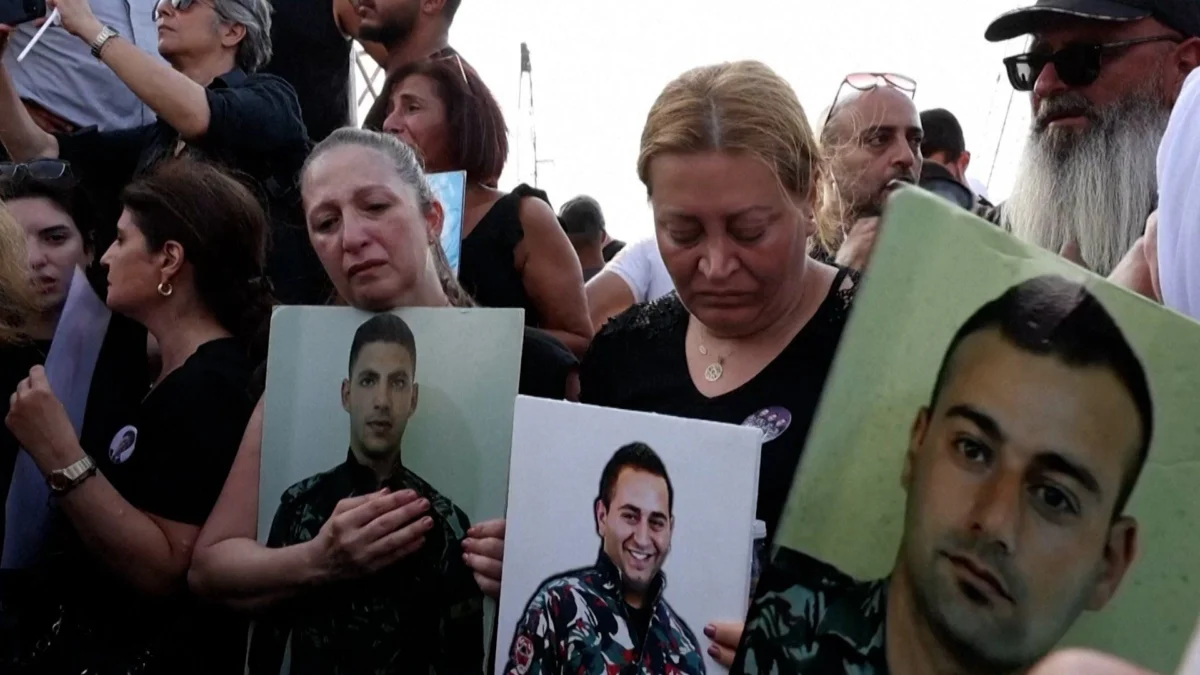
Families of the victims of the Beirut blast marked six years since the explosion by demanding truth and accountability, with justice still out of reach. The catastrophic event, which devastated the city’s port area, remains one of the deadliest non-nuclear explosions in history, leaving deep scars on Lebanon’s capital and its people.
Despite years of promises from authorities, progress in holding those responsible accountable has been painfully slow. The families of the victims continue to rally, refusing to let the tragedy fade from public memory as they push for answers.
Key Facts
- Families of victims commemorated six years since the Beirut blast.
- They demanded truth and accountability for the explosion.
- Justice has yet to be delivered to those affected.
What happened in the Beirut blast?
The explosion, which occurred in the port area of Beirut, was caused by the ignition of improperly stored ammonium nitrate, a highly explosive chemical compound. While the exact circumstances leading to the blast remain under investigation, negligence and mismanagement are widely believed to have played a role. The disaster killed hundreds, injured thousands, and left entire neighborhoods in ruins.
In the immediate aftermath, there were widespread protests and calls for government accountability, as many saw the blast as symptomatic of Lebanon’s political corruption and systemic failures. However, years later, legal proceedings have stalled amid political interference and bureaucratic delays.
Why has justice been delayed?
Families of the victims have faced numerous obstacles in their quest for truth and accountability. Legal proceedings have been repeatedly suspended, and an official investigation has been hampered by political pressure and immunity claims from high-ranking officials. Many in Lebanon view the lack of progress as a deliberate effort to shield those responsible.
Human rights groups and international observers have repeatedly condemned the delays, calling for an independent and transparent investigation. Meanwhile, Lebanese authorities have failed to implement meaningful reforms to prevent similar disasters in the future.
What We Know — and What We Don’t
Verified by the source:
- The Beirut blast occurred six years ago, causing immense destruction.
- Victims’ families continue to demand accountability and truth.
- Justice has not yet been served for those affected.
Still unconfirmed:
- Specific details on those potentially responsible for the explosion.
- Official statements from Lebanese government officials on recent developments.
- Current investigations or pending legal actions.
Why It Matters
The lack of accountability for the Beirut blast reflects broader issues of governance and corruption in Lebanon. For the families of victims, justice is not only about individual responsibility but also about ensuring such a catastrophe never happens again. As Lebanon continues to grapple with economic and political crises, the fight for justice remains a symbol of the people’s struggle for transparency and reform.
What To Watch
Efforts by victims’ families to keep pressure on authorities for a credible investigation will likely continue. International attention and advocacy may also play a role in pushing for accountability.