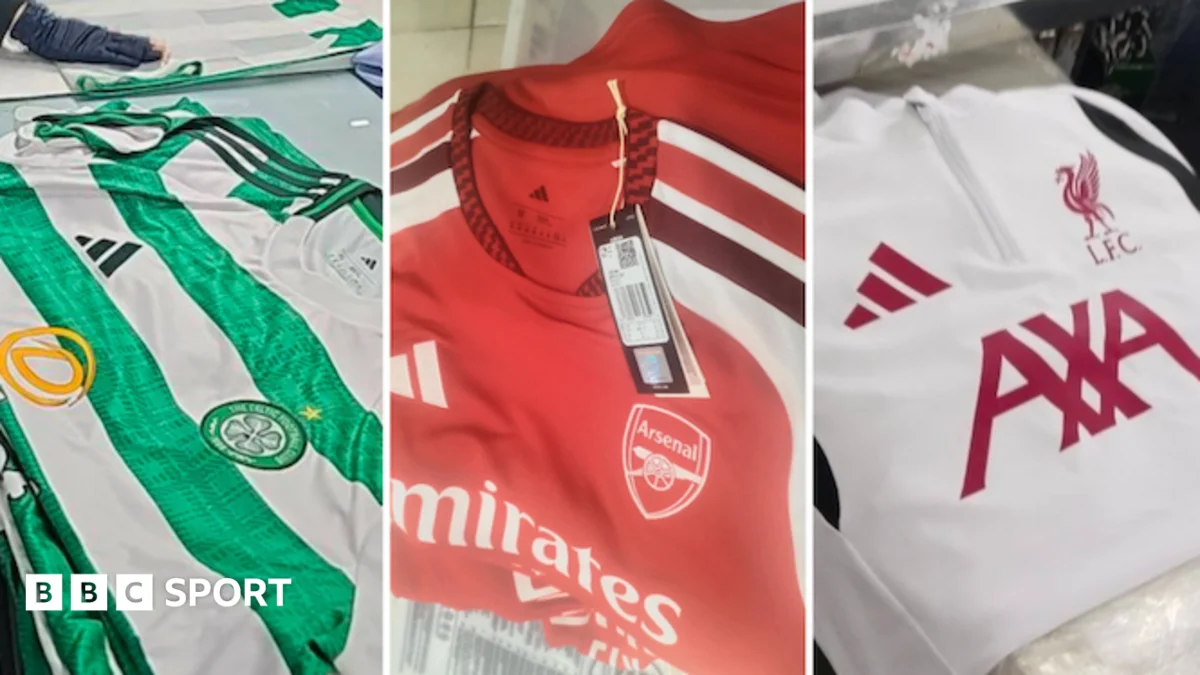
A BBC Sport investigation traced official football shirt production to factories in Cambodia where workers are paid less than £1 an hour. The finding links some of the world’s most recognizable football merchandise to manufacturing conditions that fall far short of a living wage. For fans buying official shirts, the report raises questions about the human cost embedded in the products they purchase.
KEY FACTS
- BBC Sport investigated official football shirt production.
- Production was traced to Cambodia factories.
- Workers earn less than £1 an hour.
- The shirts are described as official merchandise.
WHERE ARE THE SHIRTS MADE?
The BBC Sport investigation followed the supply chain of official football shirts and found manufacturing concentrated in factories in Cambodia. These factories supply shirts bearing the logos and branding of major football clubs and competitions. While the clubs and leagues endorse the products as official merchandise, the report indicates the actual sewing and finishing work happens in Cambodian facilities where labor costs are among the lowest in the world.
The connection between elite football branding and low-wage manufacturing is not new, but the BBC’s focus on the official shirt supply chain makes the link explicit. Consumers buying officially licensed products expect quality and authenticity, yet the investigation suggests a gap between the premium paid by fans and the wages received by garment workers.
WHO IS AFFECTED?
The report centers on the workers in Cambodian factories producing official football shirts. According to the investigation, these workers are paid less than £1 an hour, well below any reasonable living wage benchmark. No specific factory names, company details, or worker identities were provided in the summary. The affected group is the labor force assembling officially branded football apparel, whose earnings remain undisclosed beyond the hourly rate figure.
Broader affected groups include football fans who purchase official shirts and may be unaware of production conditions, as well as the clubs and governing bodies that license their branding. The report does not name any specific clubs, leagues, retailers, or manufacturing firms. What We Know — and What We Don’t
Verified by the source:
- BBC Sport conducted an investigation into football shirt production.
- Production was traced to factories in Cambodia.
- Workers are paid less than £1 an hour.
- The shirts are official merchandise.
Still unconfirmed:
- No specific factory names or locations given.
- No company or brand names named.
- No worker or union representatives quoted.
- No response from clubs, leagues, or retailers.
- No independent corroboration cited.
Why It Matters
Most fans assume official merchandise meets basic standards, yet this investigation suggests a disconnect between premium branding and worker pay. When global football revenues soar, the wage gap in manufacturing highlights how value flows away from the people making the products. This matters to consumers choosing ethical purchases, to clubs managing their brand reputation, and to policymakers overseeing international labor standards.
What To Watch
BBC News has not indicated a follow-up date, and no clubs, leagues, or retailers have responded publicly to the findings. Readers can watch for official responses from football governing bodies or updates from BBC Sport on how the reported supply chain operates.
A BBC Sport investigation traced official football shirt production to factories in Cambodia where workers are paid less than £1 an hour.