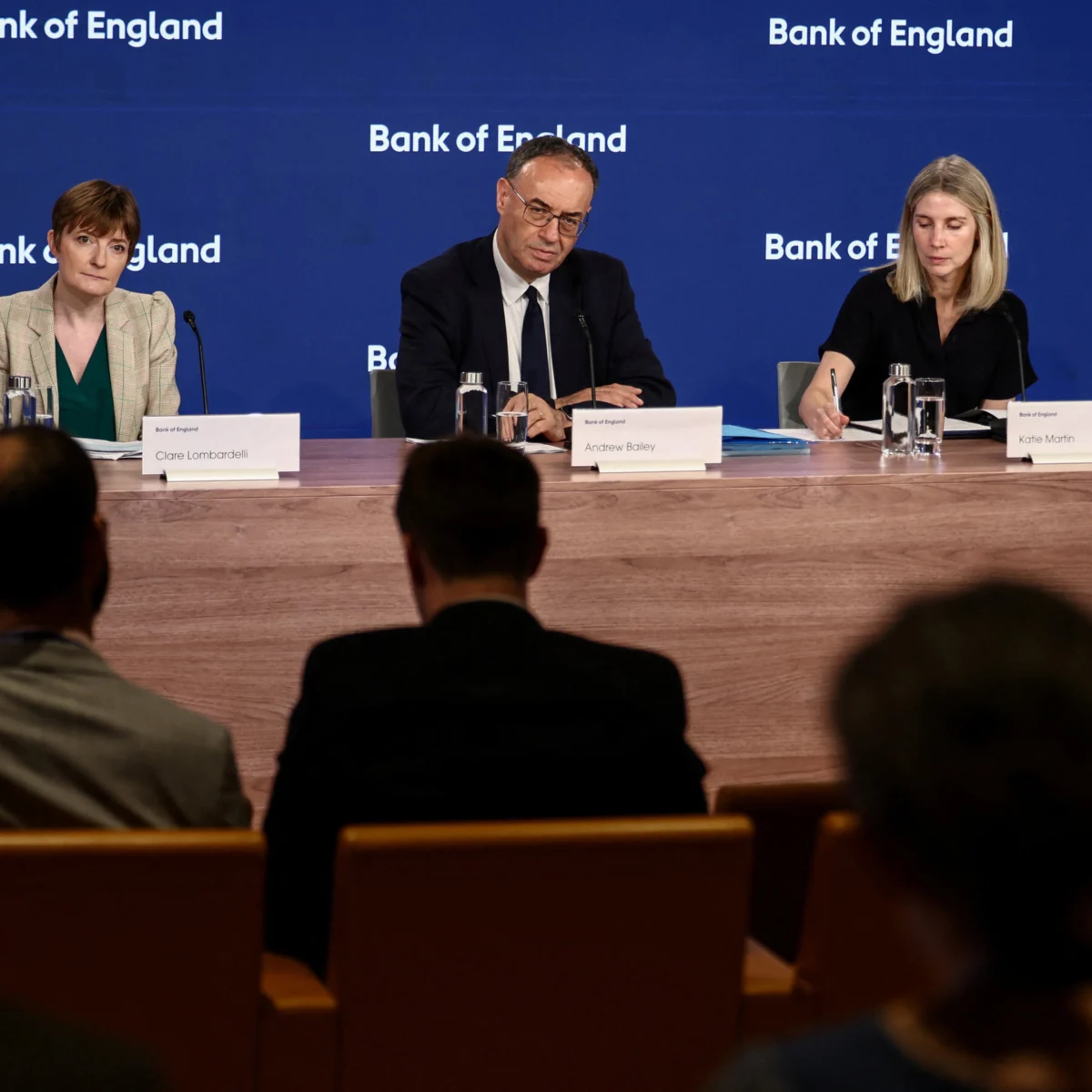
The Bank of England announced it would hold interest rates steady, maintaining its benchmark rate at the current level. This decision came a day after data revealed the fastest pace of price increases in recent months, underscoring persistent inflation pressures in the UK economy.
The central bank’s move reflects a cautious approach as it balances the need to control inflation without stifling economic recovery. Officials face a delicate task: raising rates could slow inflation but also damp growth, while cutting them risks fueling further price rises. The timing of the decision highlights the complexity of current economic conditions.
Key Facts
- The Bank of England held interest rates steady.
- A decision announcement followed data showing the fastest pace of price increases in months.
- The central bank warned of ongoing inflation pressures.
The Story
What happens next?
Market participants are now looking ahead to the central bank’s next policy meetings, where officials may reassess their stance depending on how inflation and broader economic indicators evolve. Any shifts in monetary policy are closely watched, as they directly influence savings returns, mortgage costs, and overall credit availability across the UK.
The link between interest rates and inflation has become increasingly important for households and businesses alike. Changes to borrowing costs affect investment decisions, consumer spending, and wage negotiations—all of which feed back into the inflation equation. As such, each tweak in policy sends ripple effects throughout the economy.
How did we get here?
Recent months have seen rising living costs driven by energy bills, food prices, and supply chain disruptions. Against this backdrop, the Bank of England has walked a fine line between curbing inflation and supporting growth. Its latest decision signals continued vigilance over price stability even amid signs of slowing momentum in some sectors.
The interplay between labor market tightness and wage growth adds another layer of concern. Strong employment levels support household demand but also contribute to upward pressure on prices. Policymakers must therefore weigh multiple forces when deciding future path of interest rates.
What We Know — and What We Don’t
Verified by the source:
- The Bank of England held interest rates steady in its most recent decision.
- Data showed the fastest pace of price increases in months ahead of the announcement.
- The central bank warned of persistent inflation pressures.
Still unconfirmed:
- Exact numerical value of the interest rate maintained.
- Names or titles of officials involved in the decision-making process.
- Specific components driving recent inflation trends.
- Projected timeline for any upcoming adjustments to monetary policy.
Why It Matters
Interest rate decisions shape everything from mortgage payments to pension fund performance. For everyday citizens, higher borrowing costs can reduce access to credit, slow home purchases, and limit business investment. Meanwhile, unchecked inflation erodes purchasing power, particularly affecting low-income households who spend a larger share of income on essentials. Understanding these dynamics helps readers anticipate how global and domestic events may impact personal finances.
What To Watch
Future policy announcements and accompanying commentary will clarify whether the current pause marks a turning point or merely a temporary delay before further action. Readers should monitor official communications for cues about upcoming directions.
Meta description: Bank of England holds interest rates steady after data showed fastest inflation increase in months, warns pressures remain high.