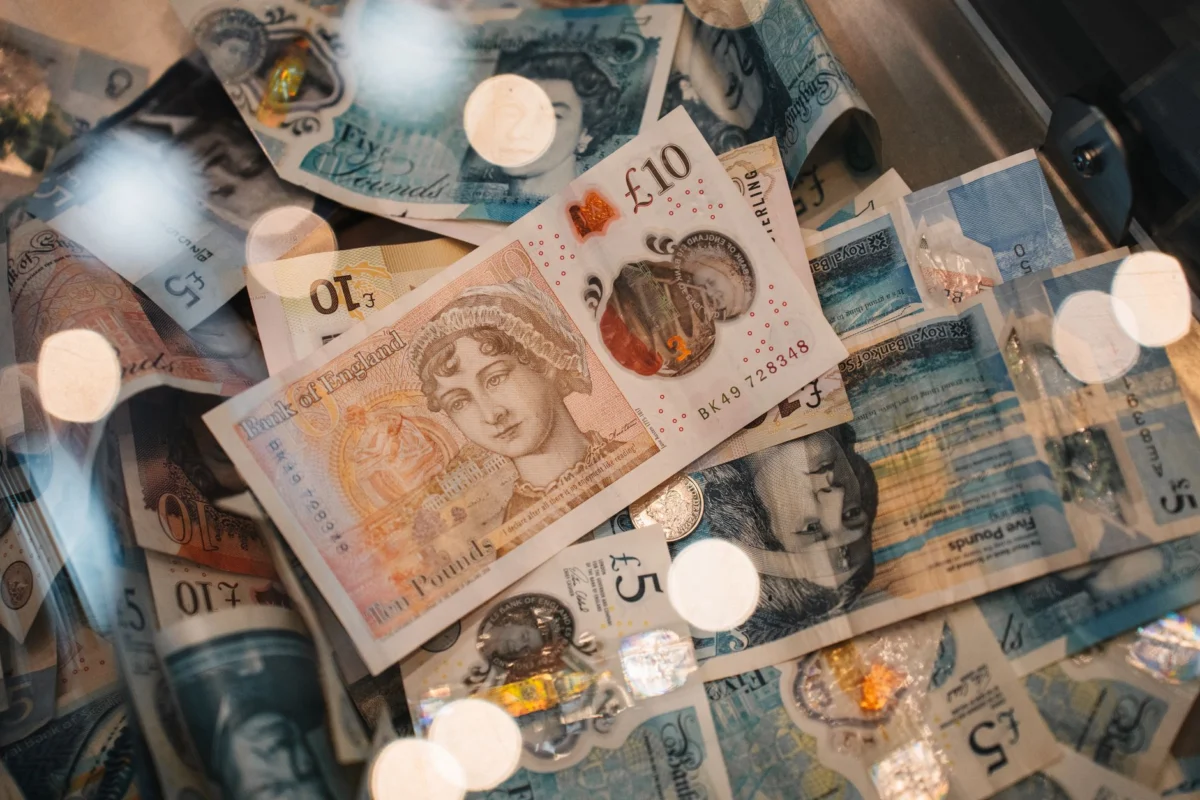
The Bank of England has kept its key interest rate unchanged at 3.75%, defying expectations that it might hike rates further in response to rising inflation. This decision signals a cautious approach by the central bank, despite mounting pressure from economic data showing increased price pressures.
The move comes at a time when inflation remains above the bank’s target, prompting speculation about future policy adjustments. Analysts are watching closely to see whether this hold will be followed by a rate cut or another increase, depending on how inflation trends evolve.
Key Facts
- Interest rate held at 3.75% by the Bank of England.
- Decision made despite higher inflation.
- Rate-setting decision reported by AP News.
The Story
What happens next?
The Bank of England’s latest decision to maintain its main interest rate at 3.75% leaves markets and policymakers in a delicate position. With inflation running higher than desired, many expected the bank to raise rates again to rein in price growth. Instead, the decision to hold reflects a balance between controlling inflation and avoiding excessive tightening that could damage economic growth.
Economic experts suggest that the bank may be waiting for more data before making its next move. Inflation figures, wage growth, and global economic conditions will all play a role in shaping future policy decisions. Investors and households are likely to feel the impact of this rate stance through borrowing costs, savings returns, and spending power.
Who is affected?
Consumers, businesses, and financial markets are all directly affected by the Bank of England’s interest rate decisions. When rates remain high, mortgage holders and borrowers face higher monthly payments, while savers may see better returns on deposits. Businesses that rely on loans for investment or expansion also experience tighter credit conditions.
At the same time, persistent inflation erodes purchasing power, particularly for those on fixed incomes or with limited ability to adjust to rising prices. The current rate environment could influence everything from housing demand to consumer spending patterns, making the bank’s choices a key factor in shaping the broader economic outlook.
How did we get here?
In the aftermath of global economic disruptions, central banks worldwide have struggled to manage inflation while supporting recovery. The Bank of England began raising rates from historic lows to counter surging prices driven by energy costs and supply chain bottlenecks. Each rate adjustment has been closely scrutinized for its effect on inflation and economic activity.
The current pause at 3.75% suggests a strategic pause, allowing time for previous rate increases to take full effect. However, with inflation still elevated, the bank faces growing calls to act decisively. The path forward will depend heavily on incoming economic data and shifting global dynamics.
What We Know — and What We Don’t
Verified by the source:
- The Bank of England maintained its main interest rate at 3.75%.
- The decision occurred despite higher inflation.
- The information was reported by AP News.
Still unconfirmed:
- The specific timing or date of the rate decision.
- The exact level or cause of inflation.
- Official statements or voting details from the bank’s monetary policy committee.
Why It Matters
Interest rate decisions influence borrowing costs, savings returns, and overall economic activity. When inflation rises faster than expected, central banks often respond with rate hikes, but holding rates steady can signal caution or uncertainty about future economic conditions.
What To Watch
Future inflation reports and central bank communications will provide clues about whether the next move involves a rate increase, a cut, or another pause. Market reactions in the coming weeks may reflect shifting expectations about monetary policy direction.